


The Day of Black Consciousness, celebrated on this 20th of November, gains in the state of Tocantins an even deeper and more documentary meaning. The date, which became a national holiday only with the sanction of the Law 14.759 in December of 2023, was marked this year at the Court of Justice of the State of Tocantins (TJTO) by the vivid and moving memory of the story of Paula. A black, elderly and enslaved woman who won her freedom three decades before the signing of the Golden Law.
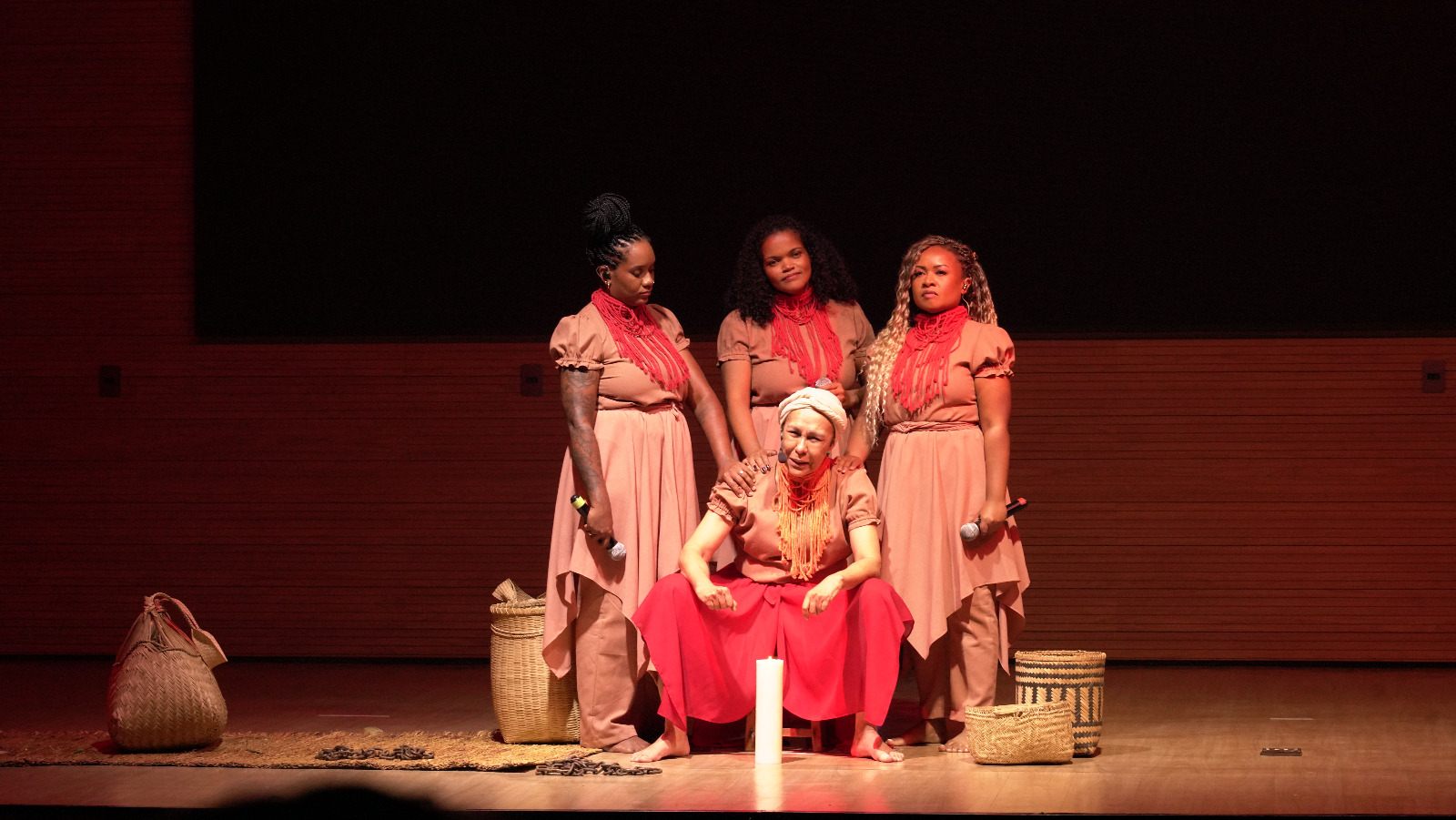
The reflection on the date gained body, voice and emotion in the evening of Monday (November 17th), when the auditorium of the TJTO was the stage for a historical rescue with the presentation of the show on "Silenced Voices: Struggle of Paula for Freedom".
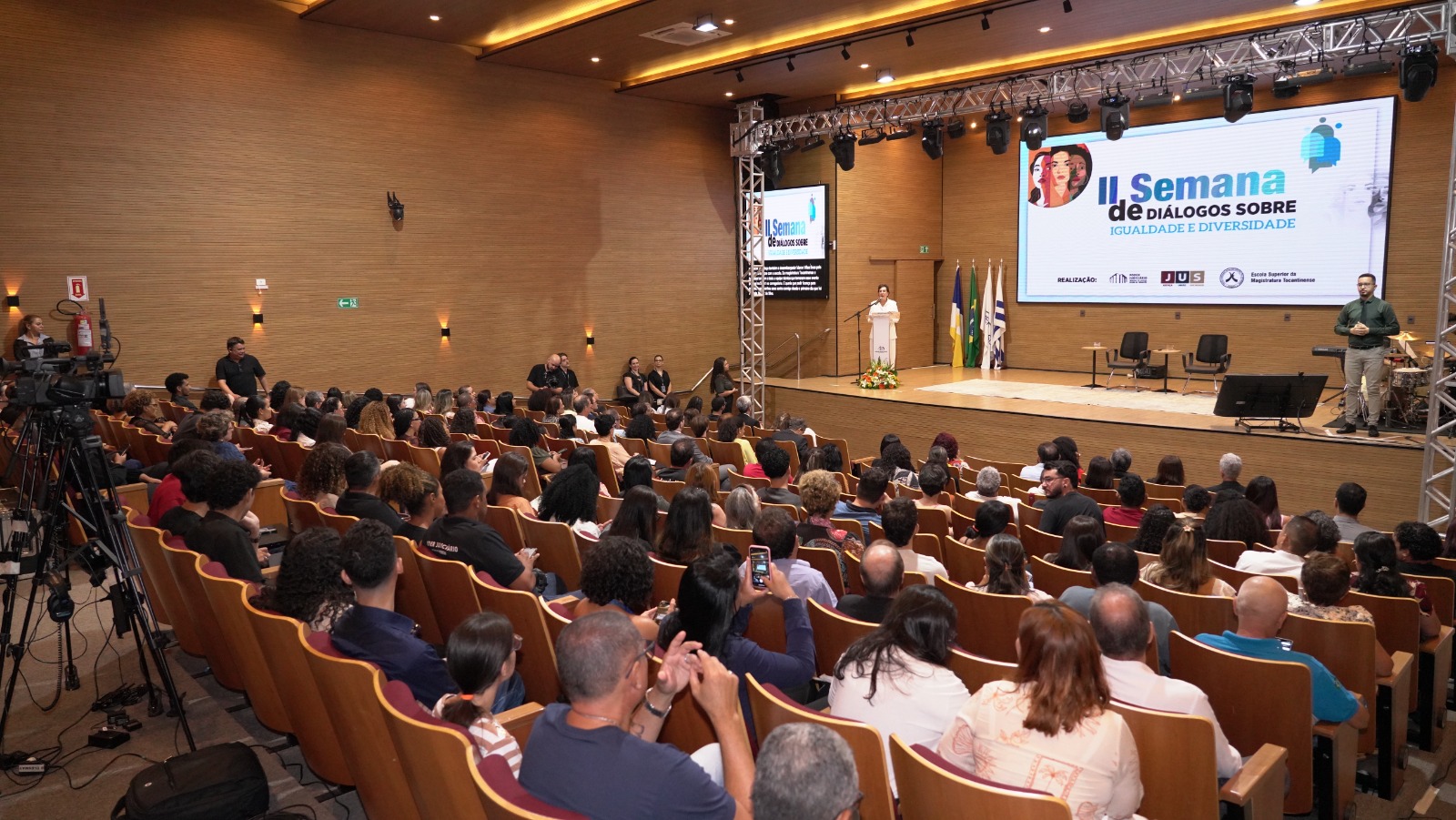
Part of the programming of the II Week of Dialogues on Equality and Diversity, the play is not only a work of fiction, but the result of a thorough work of archaeology and institutional memory carried out by the Superior School of the Judges of the State of Tocantins (Esmat) and the Commission for Memory Management of the TJTO, representing, more than an artistic activity, an institutional act of commitment with reparation, visibility and listening.
The history behind the records
Performed by the Actress and Dancer Meire Maria Monteiro and the Vozes de Ébano (Voices of Ebony) Group, the assembly reconstructs a court case from 1858 that was processed in the old District of São João da Palma, current municipality of Paranã.
The original document, kept more than 160 years ago and which at first glance seemed only a petition from the last century, now in the custody of Esmat, revealed the record of the bravery of a woman, Paula, who even in conditions of fragility and under the shackles of an oppressive system legally fought not only for her freedom, but also for her humanity in a society that saw her as a property.
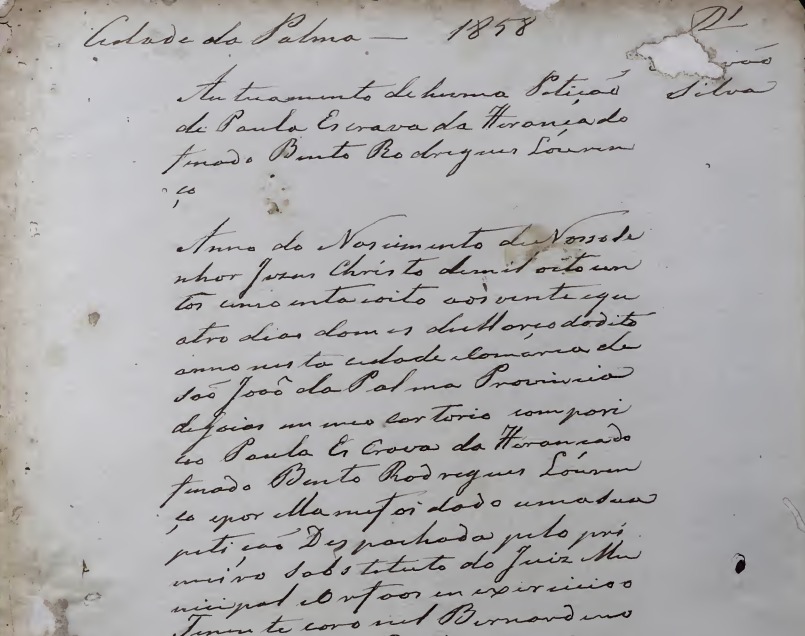
Evaluated as "inheritance" worth 60 thousand réis, Paula contradicted the statistics of a Brazil Empire slave, insisted on the right to be free, managed and today she has become a symbol of female and black resistance in the state of Tocantins.
Memory as public responsibility
Justice Angela Issa Haonat, deputy director of Esmat and creator of the show, highlighted the transformative power of this narrative. For the magistrate, the performance transcends the cultural aspect, positioning itself as a necessary pedagogical tool for the contemporary Judiciary.
“This play is not an artistic complement of the Week. It is, in itself, an institutional intervention. It is a way of calling on the Judiciary to look at its own history and recognize that legal memory is also a field of public responsibility", said the judge.
The idealization of the show demonstrates a movement of the Judiciary of the state of Tocantins to look at its own collection not as dead archives, but as testimonies of lives. The rescue of this trajectory is the result of long dedication.
The civil server and Journalist Wherbert Araújo, one of the coordinators and responsible for the assembly research, explained the genesis of the project:
“It is a work that has been focused on this document for more than three years. The culmination of this work is this show promoted by Esmat, with support from Justice Marco Villas Boas and the Commission for Memory Management”.
The rescue art
On stage, the aridity of the procedural document was translated into palpable emotion. The Actress Meire Maria Monteiro, who gave body and soul to Paula, highlighted the importance of the initiative of Esmat in shedding light on files that could remain forgotten. In her speech, Meire highlighted the power of the institutional gesture to transform this record into living memory:
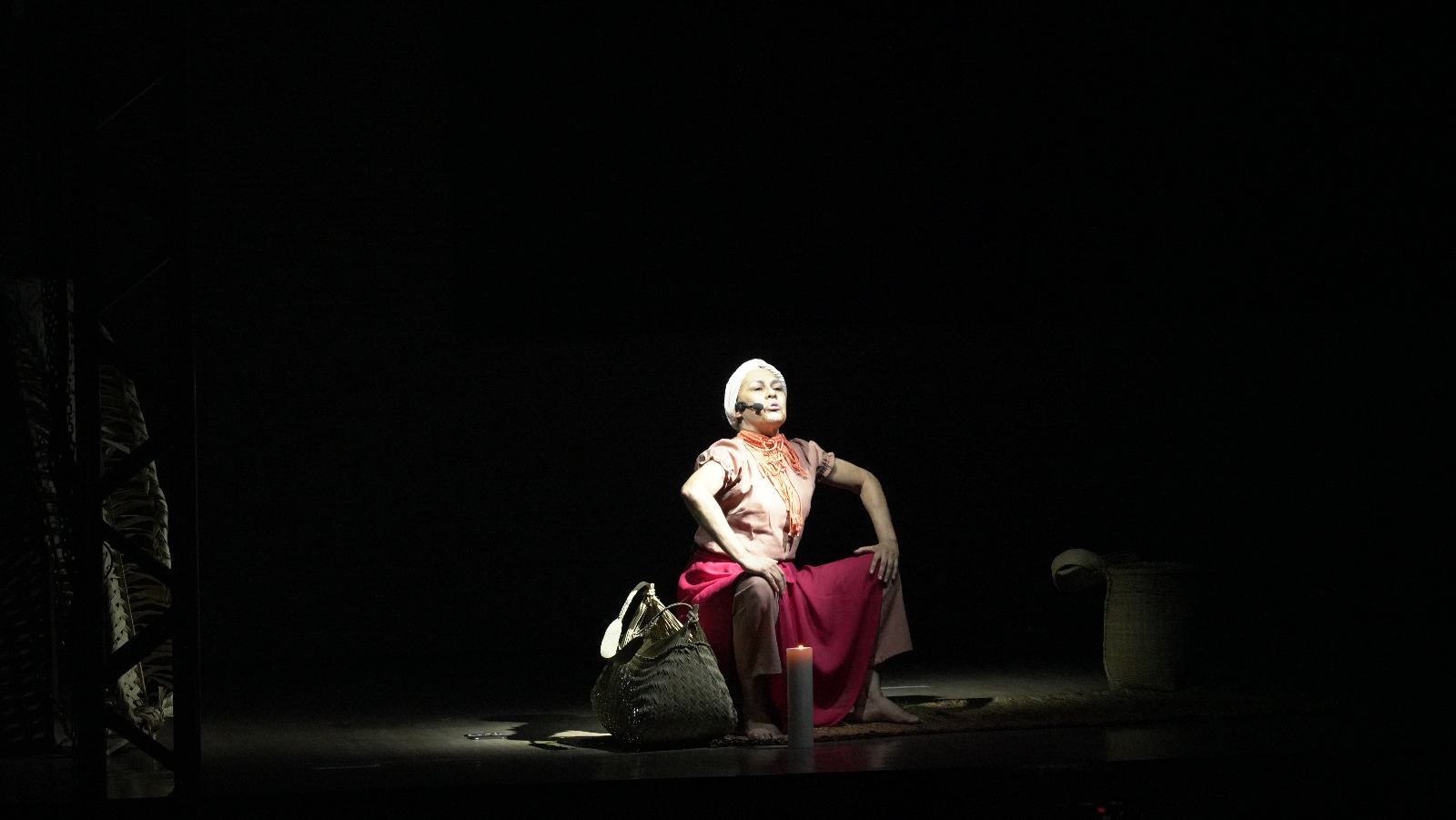
"The story of Paula could simply be in a documentary record kept out of the eyes of any citizen, but from the moment that the Court of Justice, through its school, Esmat, takes this history, takes this record and transforms it into art, it was an action and it is a sensational project, it is a unique project that really deserves all applause because they have rendered a public service not only simply by their duty of memory or their duty of record, but also transformed the history of an ancestor into art and, for the best, brought this story to light, illuminated the history of the state of Tocantins", said Meire.
With deep sensitivity, the actress highlighted the relevance of the collective work that made possible the assembly and execution of the show. "Bringing us the truth, bringing us this record through culture and a whole team of artists, professionals, to whom I am deeply grateful. Playing Paula, for me, was a gift, it was an honor", she said.
Finally, emotional, Meire also shared her perception of the impact on the audience, one of the most striking moments of the night:
“But what I think was cool in all this was the reaction of the audience. The public, for sure, after the performance of the show, took Paula home, told his and her friends. Told his and her family, reported the emotion of hearing the story of this woman. And the best, a story that could be very painful was transformed into light by art-culture. Really, a wonderful project and historical action that marks the beginning of the possibility of doing this with other records, with other heroes, with other voices that need to be heard”.
Ancestry
For the members of Vozes de Ébano (Voices of Ebony) Group, who conducted part of the narrative of the show, participating in the production was a meeting with their own ancestry and an opportunity to echo struggles that, although secular, remain current. The group moved the audience with songs like "A Carne" (The Flesh), "Zumbi" (Zombie) and "O Canto das Três Raças" (The Song of the Three Races).
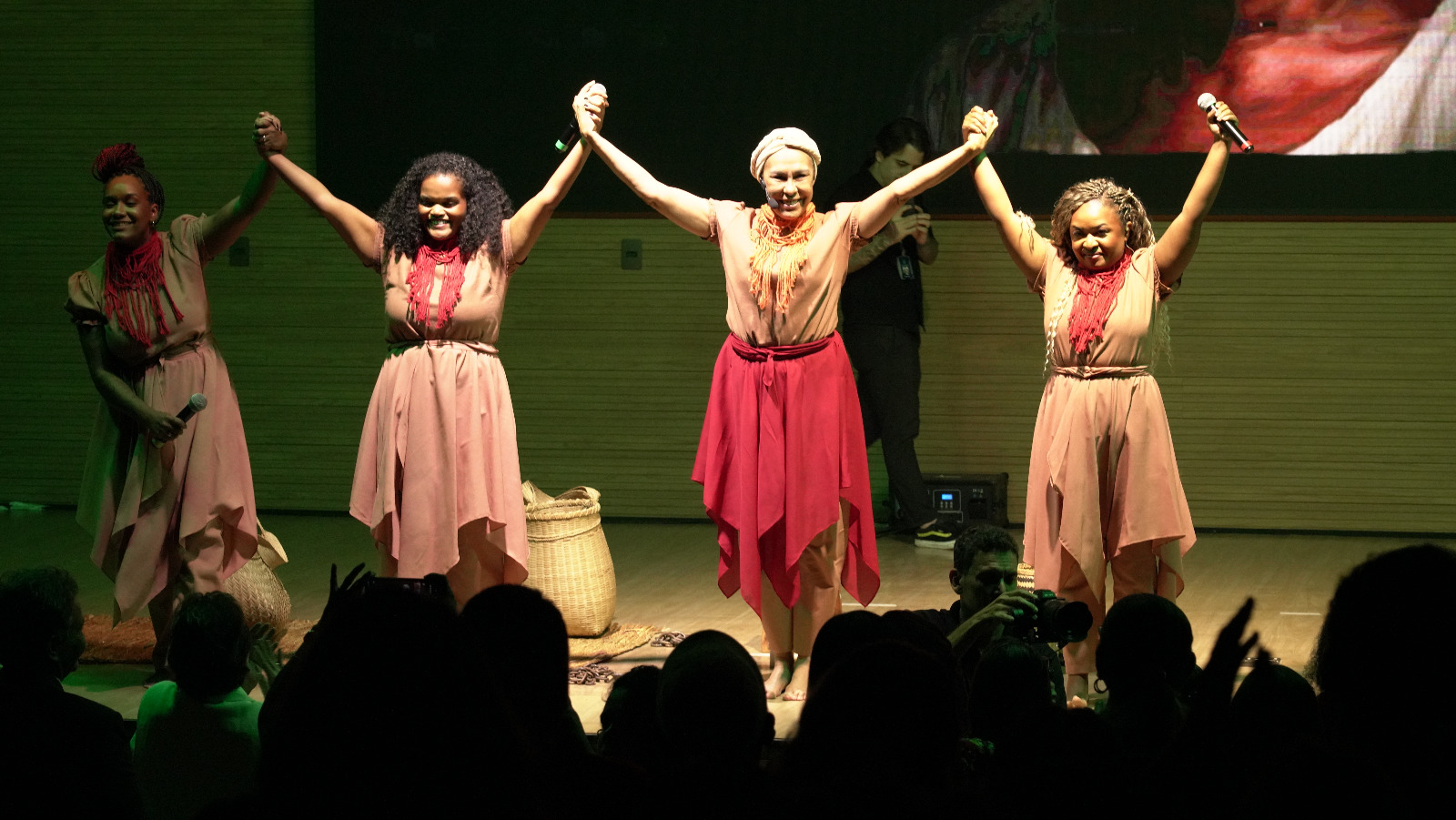
For the singer Fran Santos, the performance was more than a performance, it was a reunion with the own ancestry of each one, with female strength and with the deepest sense of collectivity: "While I was there on the stage, I thought about the courage of this woman, how much she opened paths, how much she resisted, and how her story echoes to this day. I think for us, giving voice through our music was exciting. And being next to my companions, Cintia, Maluza and Meire, feeling the energy of the public and seeing how they also received this story was very beautiful. I left there, so light and grateful at the same time, for having lived this special moment".
This same emotion also reverberated in the speech of the singer Cinthia Abreu, who reinforced the power of art as an instrument of social transformation and connection among worlds that are often ignored. For her, the experience was intense, deep and unforgettable, especially by the impact generated in the audience.
“It was a great honor to participate in this show. I think the emotion that we felt when we saw the auditorium crowded so far is still very latent in me, in our whole group. It was a very exciting participation. I can consider that it was one of our best performances in the sense of reception of the public, of repercussion", she shared.
Malusa Lopes, also singer and member of the group, brought to light the desire for continuity: that this type of action is not punctual or commemorative, but that it becomes a permanent cultural policy.
“It was of extreme historical importance, personal, as a black woman too, and that I mourn daily. About my story, about my sensitivity, and doing it singing and performing was also beautiful, it was exciting, it was important. I hope it’s not just one date. But come at other times, because as a black woman and artist, singer, it would be extremely important to take this to other people to know the story of Paula", she pointed out.
Dialogues of diversity and equality
The presentation served as a highlight of the II Week of Dialogues on Equality and Diversity. For Judge Renata do Nascimento e Silva, coordinator of the event, the initiative goes to the heart of the institutional proposal to reverse the logic of oblivion.
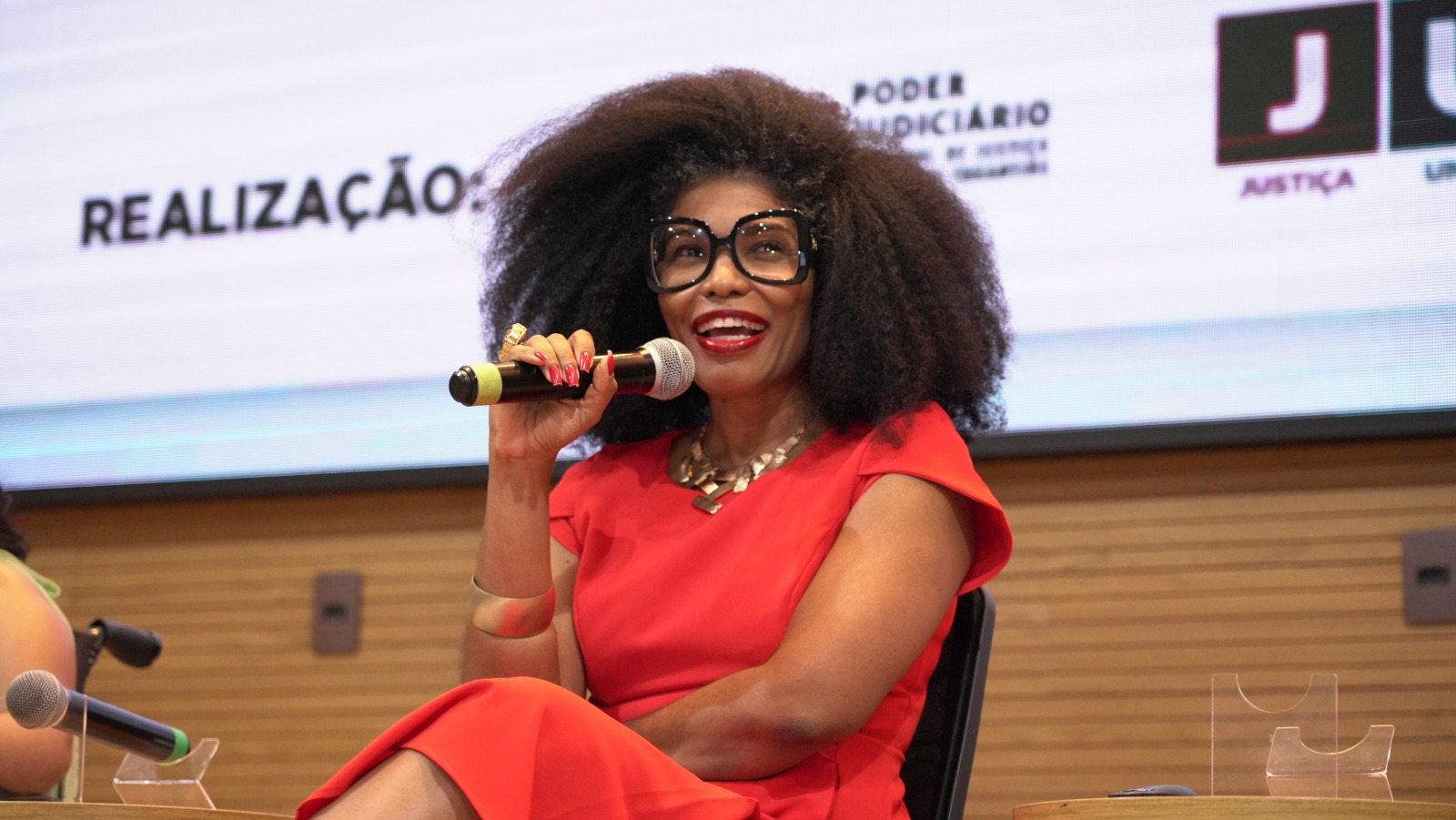
“A show like this does the opposite of what, for a long time, was done with marginalized voices and treated as non-existent. Here we talk. Here, we are heard. Here, we occupy the center of the debate", pointed the magistrate.
Testimonies
The positive repercussion was immediate among the public present. The extraordinary secretary of Racial Equality and Human Rights, José Eduardo de Azevedo, summed up the feeling of seeing an institution that could open its doors to this narrative.
“So, it was a very beautiful event that had a rescue of our ancestry, right, not only in the speeches, but also in the cultural presentation we had, it was a very important moment where such an important space, as necessary as one of the powers of the state of Tocantins, opened so that we could rescue our ancestry. This in a month of racial equality is very important and significant," he shared.
Bruna Patrícia Ferreira, chief of staff of the General Internal Affairs, also shared her emotion: "The show was wonderful and very exciting! Music, performances and spectacular scenery. We are all Paula! A real milestone in the history of the Court. The Court of Justice, General Internal Affairs and Esmat are congratulated for the event of such magnificence and relevance".
At the end, "Silenced Voices" fulfilled its role, removed Paula from the yellow pages of an old process and put her in the center of the memory of the state of Tocantins, proving that justice is also done by not letting the past be forgotten.
More information
Check out the original document at this link. The transcription is available for reading here.
