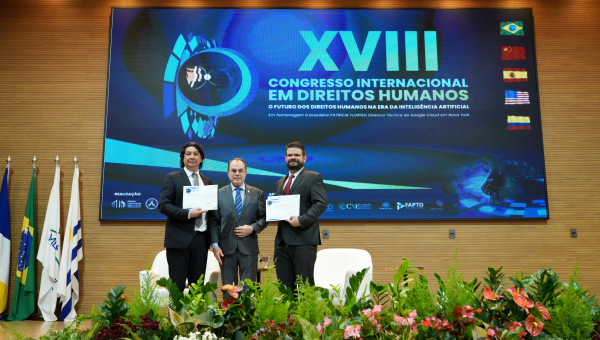
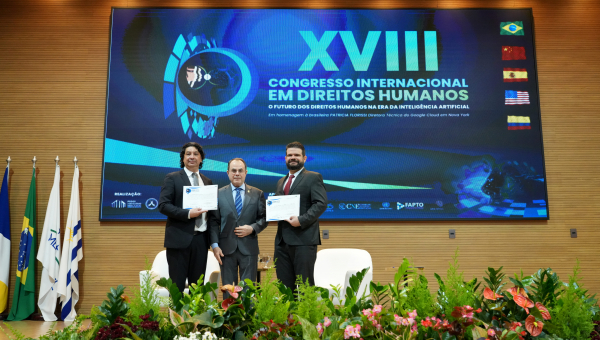
With more than one thousand registered, four days of intense programming, exchange between national and international institutions and high-level discussions, the XVIII International Congress on Human Rights came to an end this Friday (November 14th), leaving a trail of reflections, commitments and fruitful meetings.
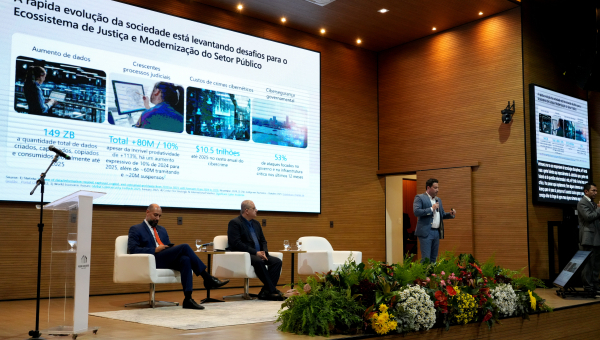
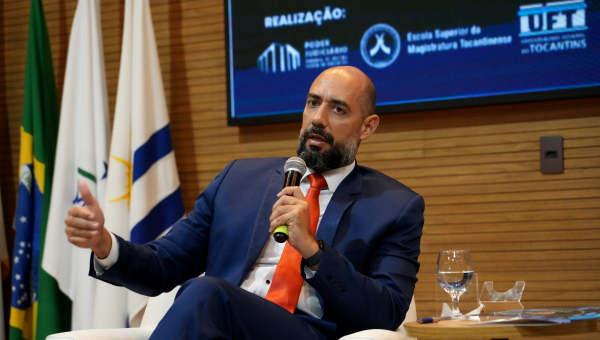
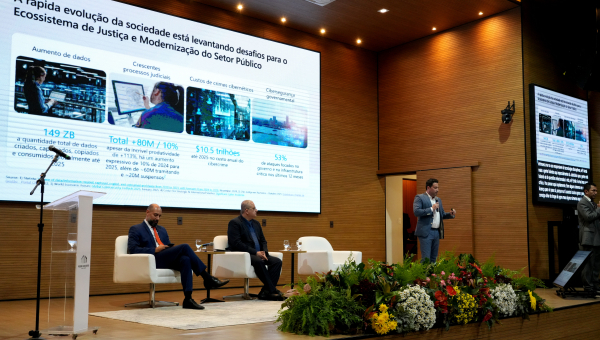
In the afternoon, Panel 7, with the theme on "Emerging trends in AI and the future of Technological Innovation", brought together major names from technology and academia. Professor Tarsis Barreto Oliveira mediated the panel composed by Marcelo Almeida, from the Brazilian Association of Software Companies (ABES), and Carlos Augusto Jorge Marques, senior executive at Microsoft.
“I would like to highlight the quality of this event and its richness. We have here academics of the highest level and great executives. Members of the Federal Senate also participated, that is, all spheres. It is an academic, technical, high-level discussion on artificial intelligence and here we have the presence of representatives of the biggest names that we have in Brazil and abroad", said Professor Tarsis.
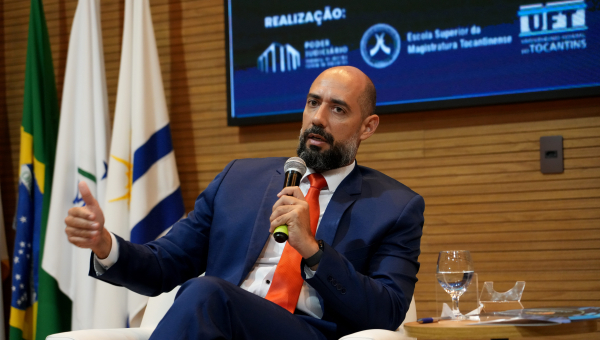
Marcelo Almeida presented the role of ABES and the Brazilian scenario in the regulation of AI, emphasizing the importance of use-oriented milestones, not for the technology itself.
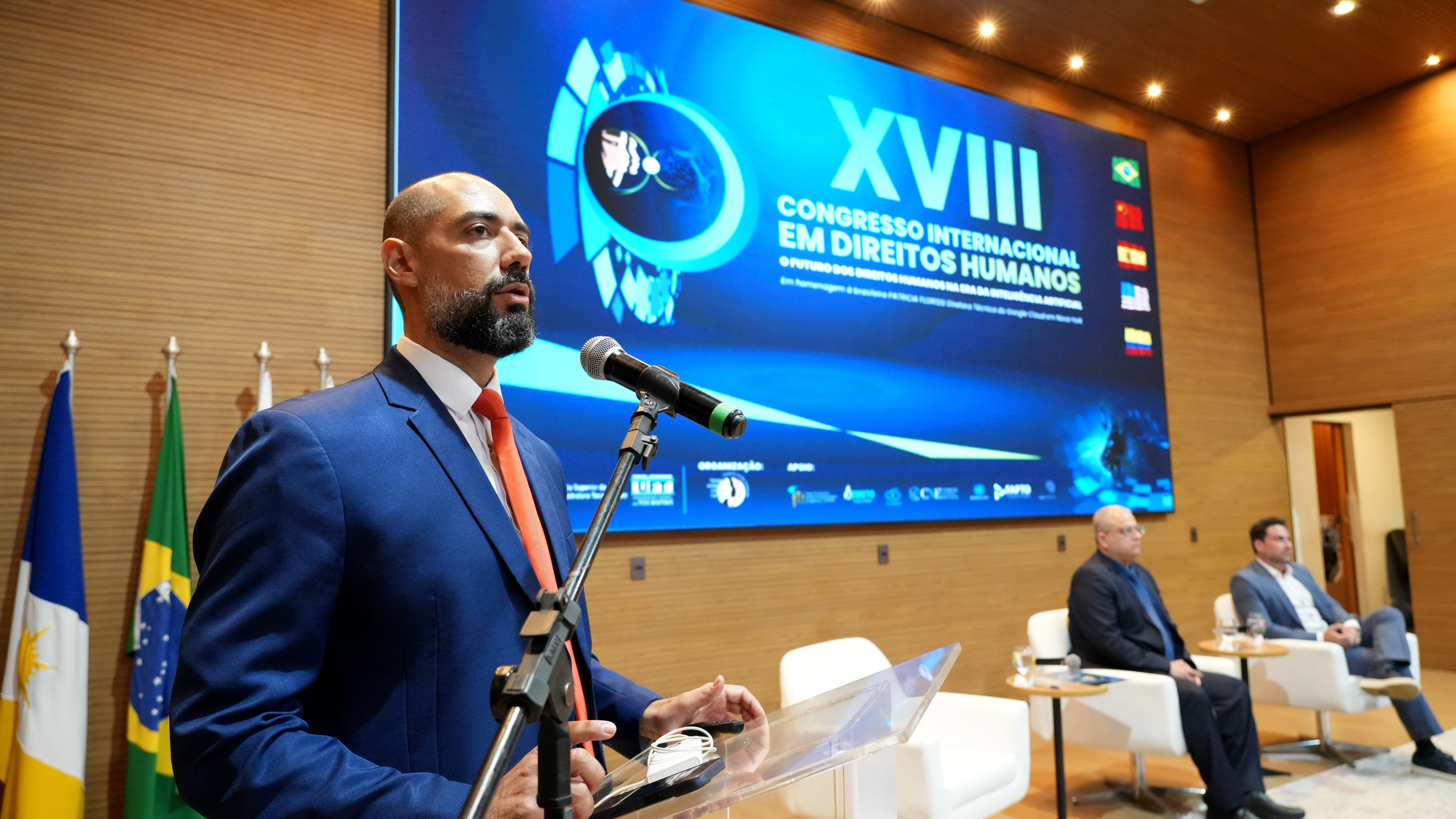
“I want to tell you that ABES is an association with more than thirty years of existence and it has approximately two thousand eight hundred associates and it has a very interesting purpose, which is to make Brazil more digital and less unequal", he explained.
By highlighting the multimodal aspects of AI and its new possibilities, Marcelo recalled that the good use of artificial intelligence depends on knowledge, well-defined purposes, clear rules and governance.
“Artificial intelligence in this multimodal aspect, it has the virtue of giving you possibilities, so that you can reach new ideas and it seems to me that is a great trend," he said.
Carlos Augusto, from Microsoft, brought a global and strategic vision on the use of AI in public sector modernization, highlighting the impacts of technology on the Justice ecosystem.
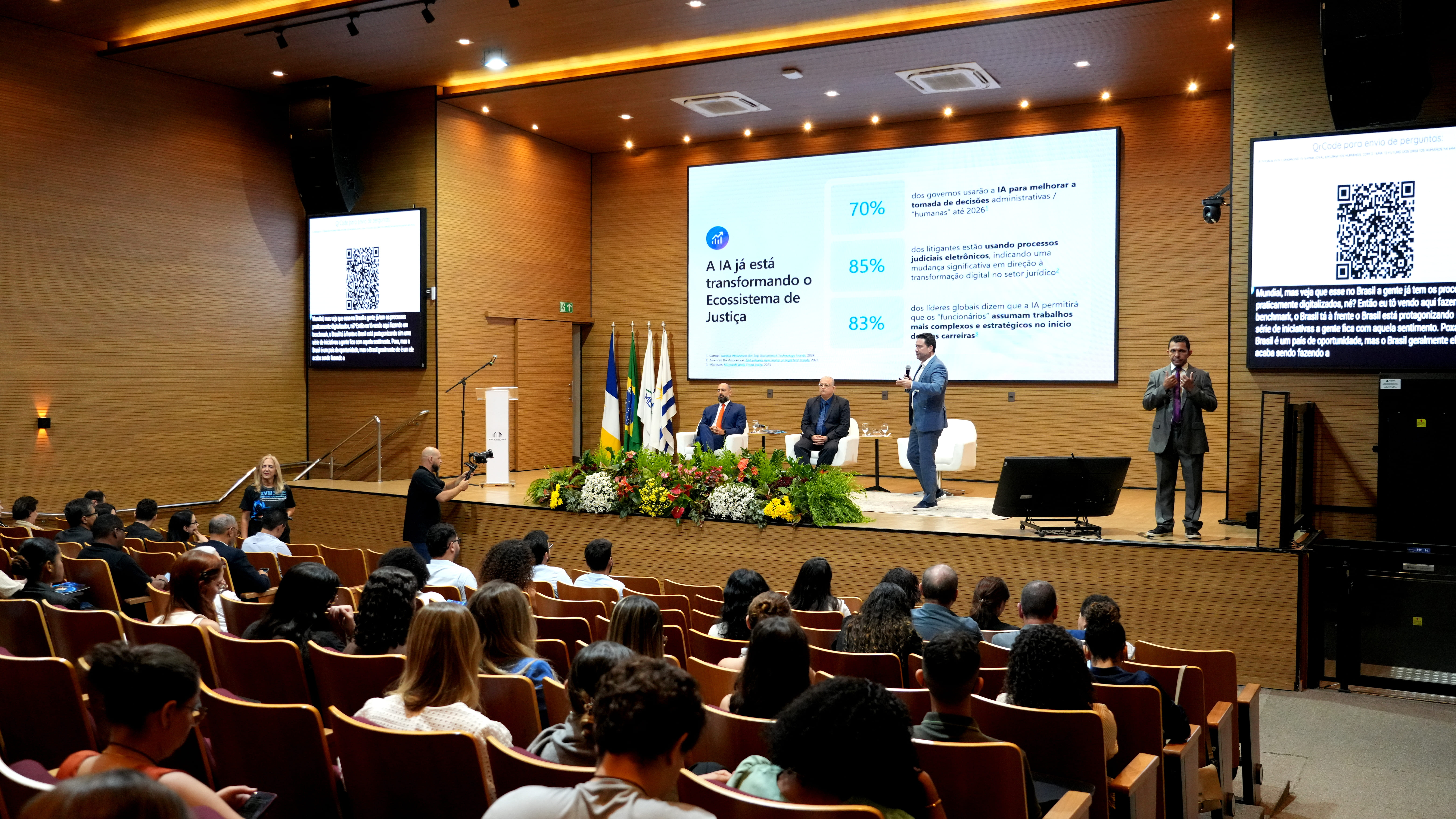
“The sky here is infinite. You have to use the technological resources in a safe, appropriate, responsible way, where there are opportunities always aligned according to the policies and with what is being defined", he said.
The presentation addressed tools such as co-pilots and agents, cloud infrastructure, training and partnerships, such as the FluênCIA (FluenCY) program, a course promoted by Microsoft and that the Superior School of the Judges of the State of Tocantins (Esmat) developed four classes in this year of 2025.
Carlos concluded by saying: "The mission of Microsoft is to empower every person and every organization on the planet to achieve more and Microsoft is a strategic partner of the public institutions”.
Conference
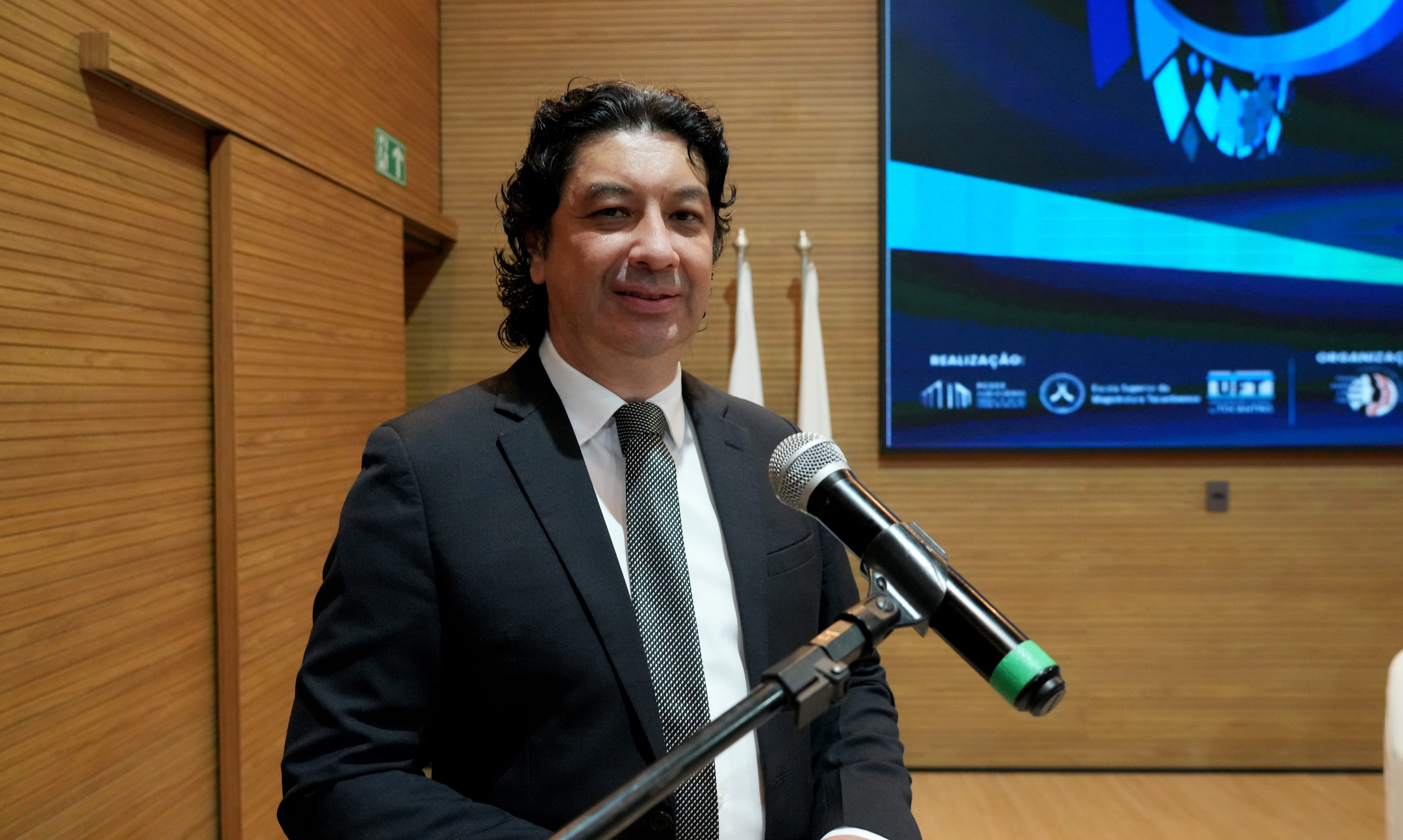
The last conference of the Congress was conducted by Professor Eyder Bolívar Mojica, from the University of Envigado (Colombia), with Valter Moura do Carmo as chairman. Eyder spoke about the legal challenges and benefits of Artificial Intelligence, dividing his speech into four main axes: normative principles, benefits, risks and public policies.
In his presentation, he highlighted international regulatory frameworks and stressed that AI in the Judiciary should be considered high-risk, requiring constant supervision. Concluded, arguing that AI should be an extension of the principle of humanity of Law, with meaningful human oversight, algorithmic transparency, democratic governance and focus on protecting fundamental rights.
Tributes
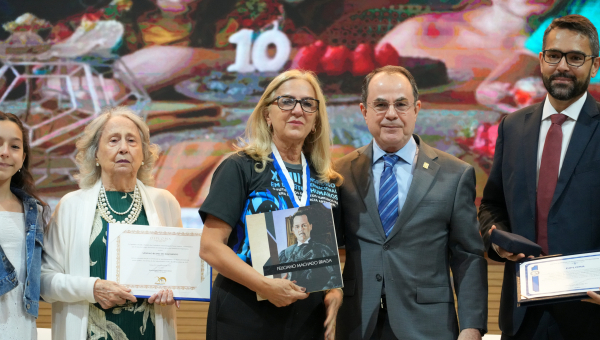
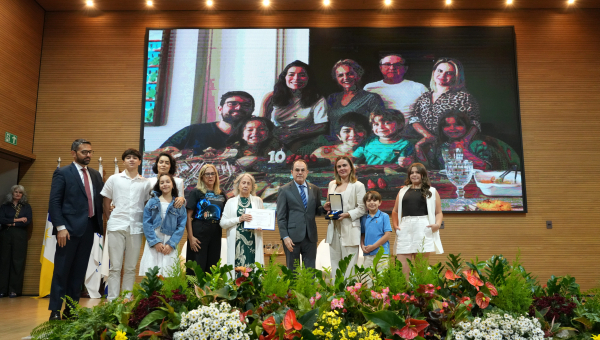
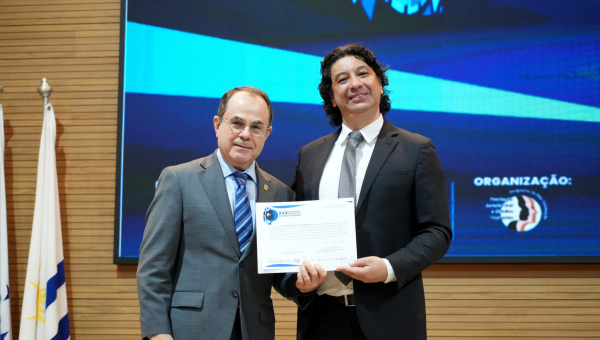
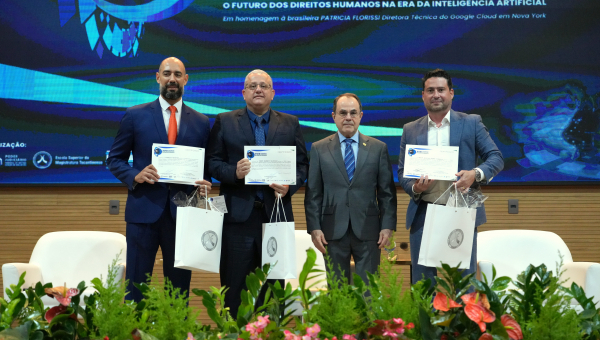
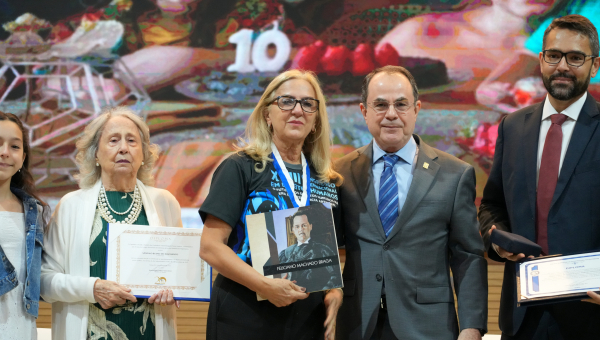
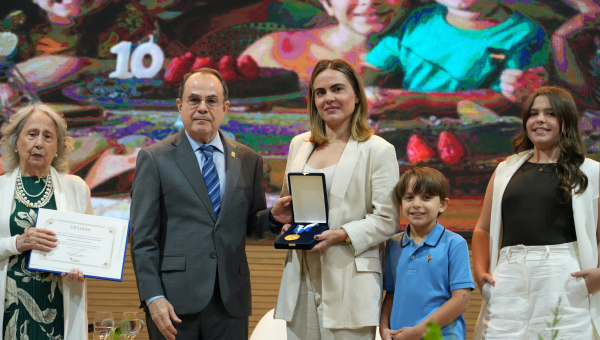
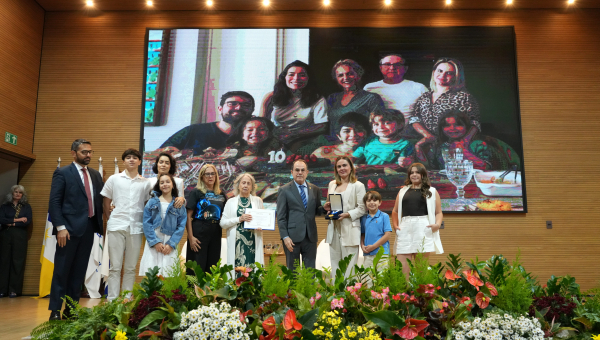
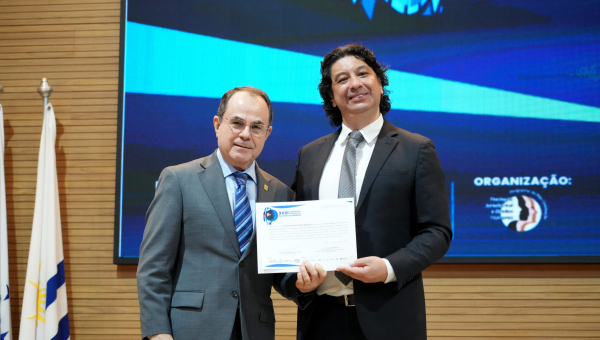
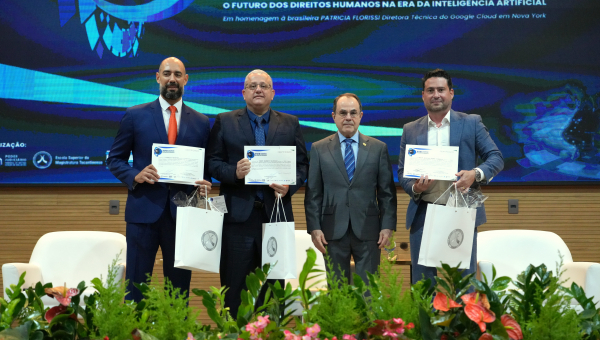
The closing was also marked by a moment of emotion and recognition. The general director of Esmat and president of Copedem, Justice Marco Villas Boas, conducted the ceremony of award of honors of the School.
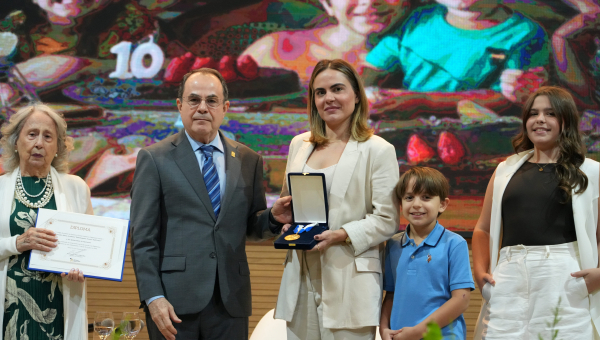
The "Justice Antonio Rulli Junior" Medal of Academic Merit was awarded to Judge Sândalo Bueno do Nascimento, in recognition of his contribution to legal knowledge and strengthening of the institutions of the Justice System. The honor was given to the daughter of the magistrate, Stella Bueno do Nascimento.
The "Justice Paulo Ventura" Medal of the Founders, commemorating the 20th anniversary of Copedem, was also awarded in memoriam to Judge Sândalo, being received by his son, Sândalo Bueno do Nascimento Filho, accompanied by his paternal grandmother Marlene Bueno Pereira Campelo, his mother Maria Luíza do Nascimento and his sister Stella Bueno.
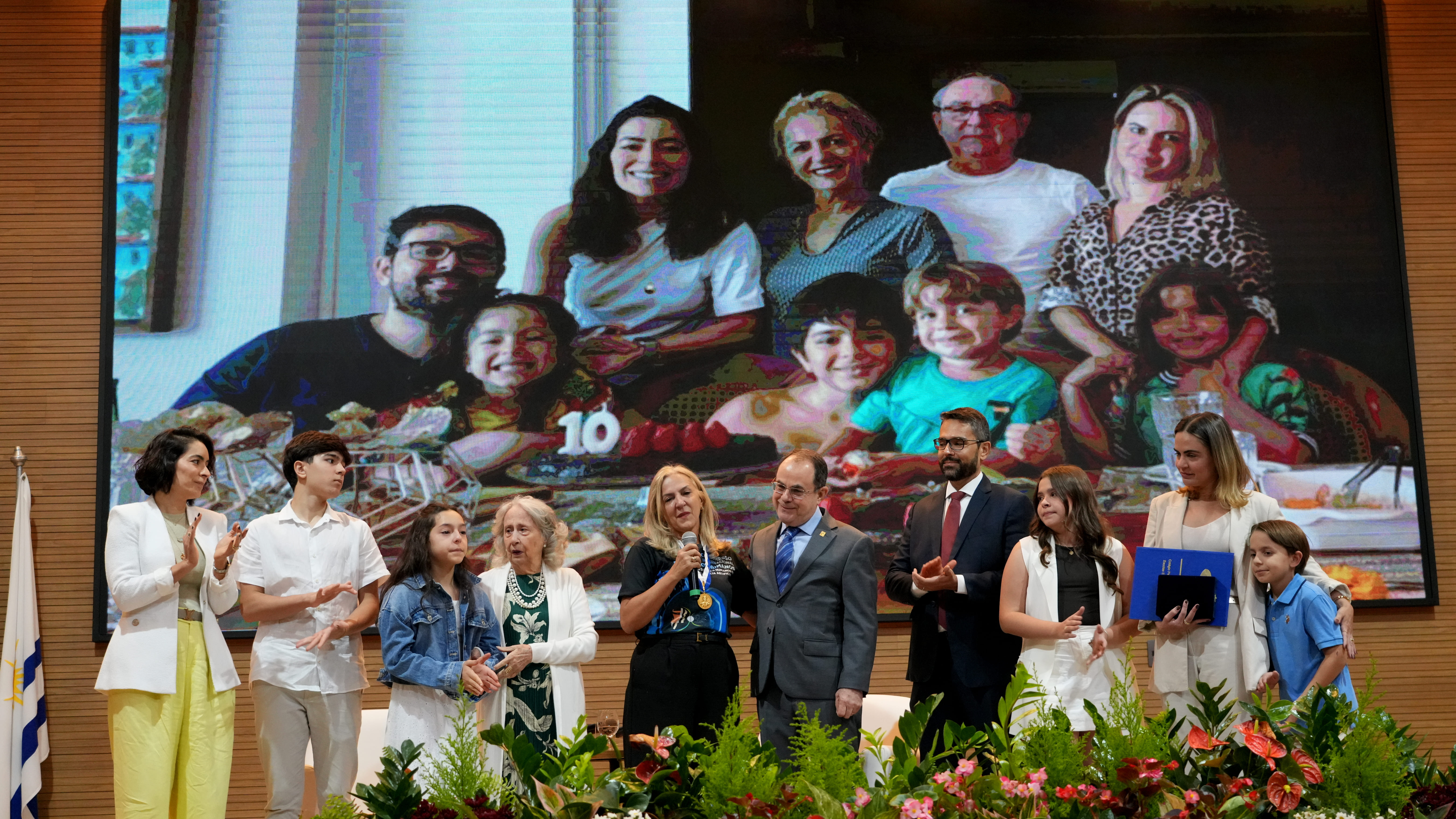
In addition, the "Feliciano Machado Braga" Medal of Academic Merit was awarded to the coordinator of the Post-Graduation Center at Esmat, Maria Luiza do Nascimento, for her academic and institutional contribution.
At the time, Justice Marco also shared memories about the trajectory of Judge Sândalo in the early years of Esmat, highlighting how important his performance was to boost projects that today are part of the academic identity of the institution. At the same time, he highlighted the tireless commitment of Maria Luiza in conducting postgraduate courses, recalling that her dedication and commitment to academic excellence were and continue to be fundamental for Esmat. In her speech of thanks, Maria Luiza expressed with sincerity her emotion:
“My passion is education. Working with Justice Marco, who is always one foot ahead of the future, tomorrow, is exciting and challenging. So, yes, I thank you very, very much for all this.”