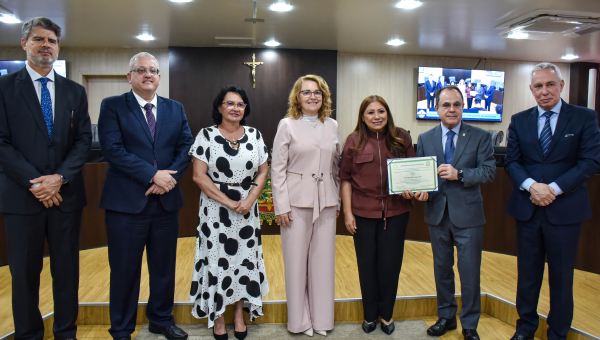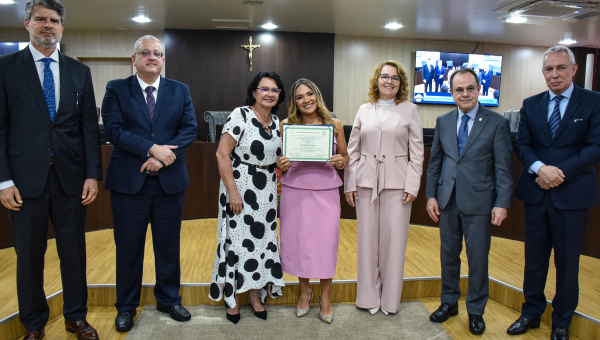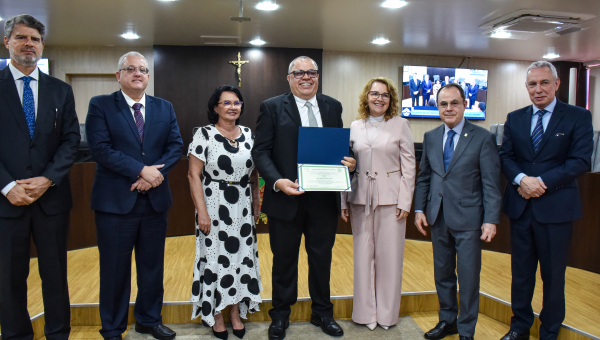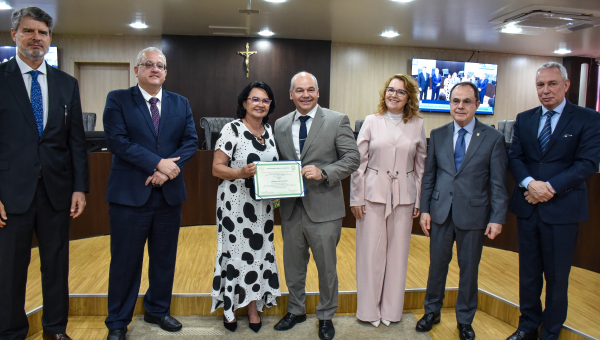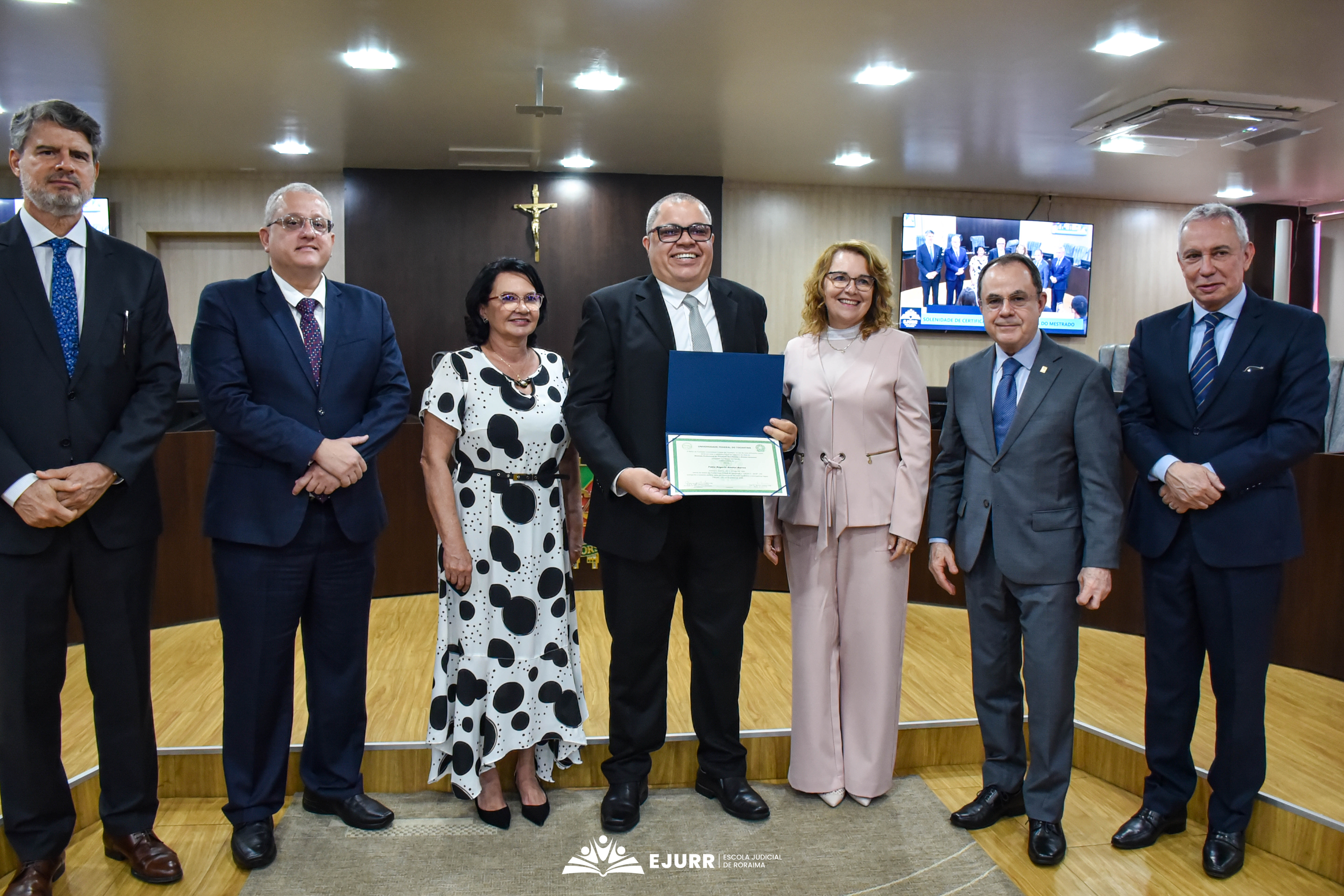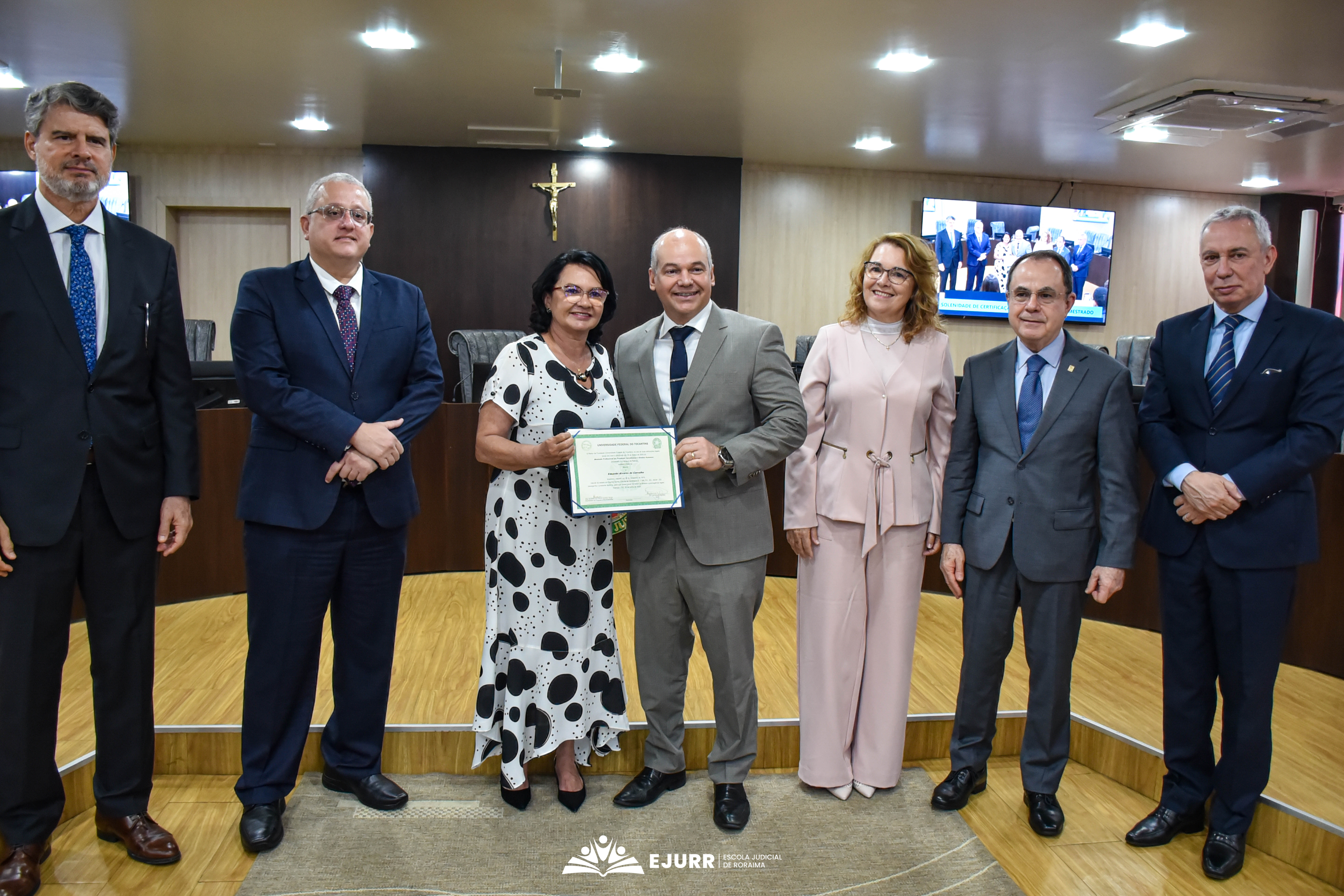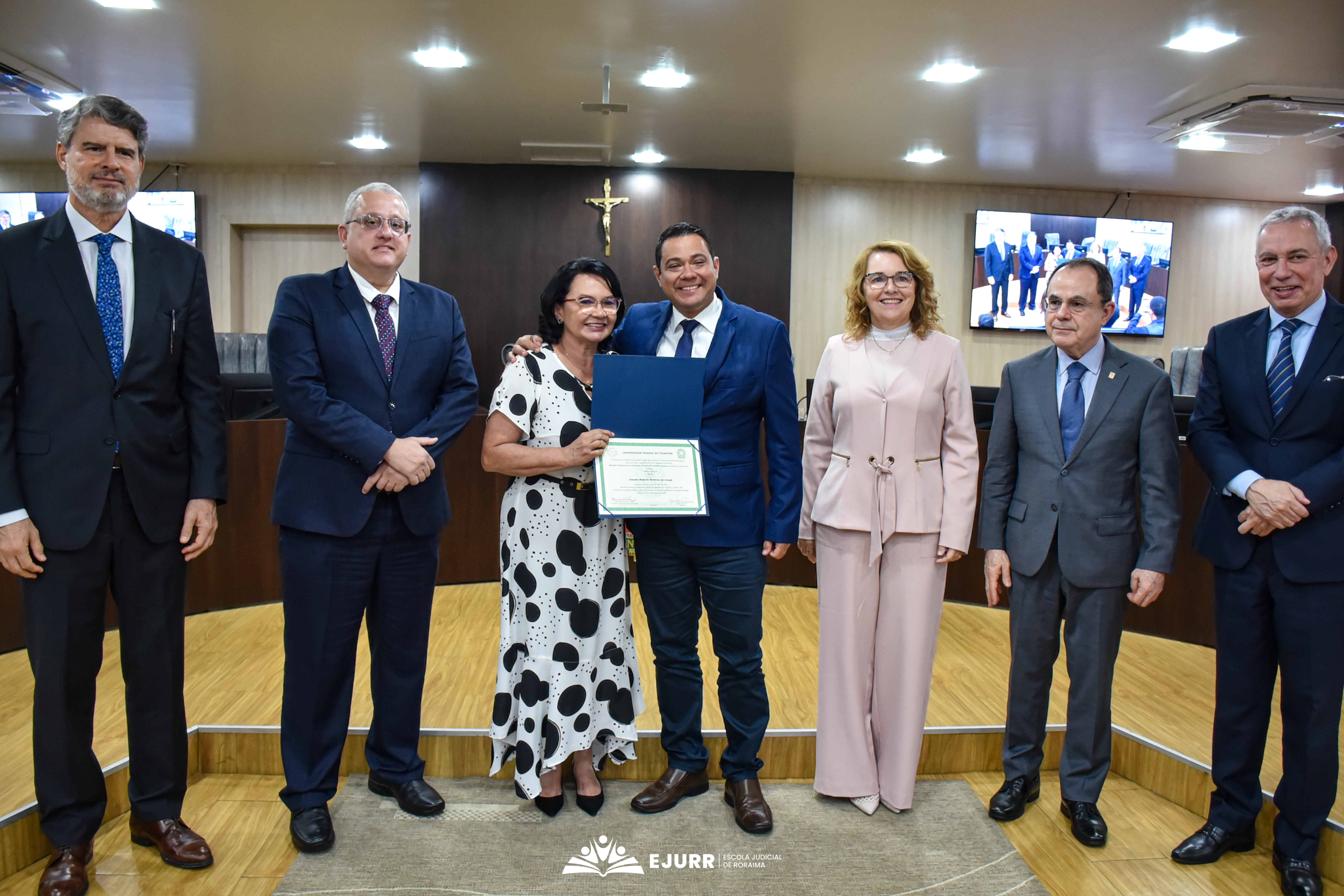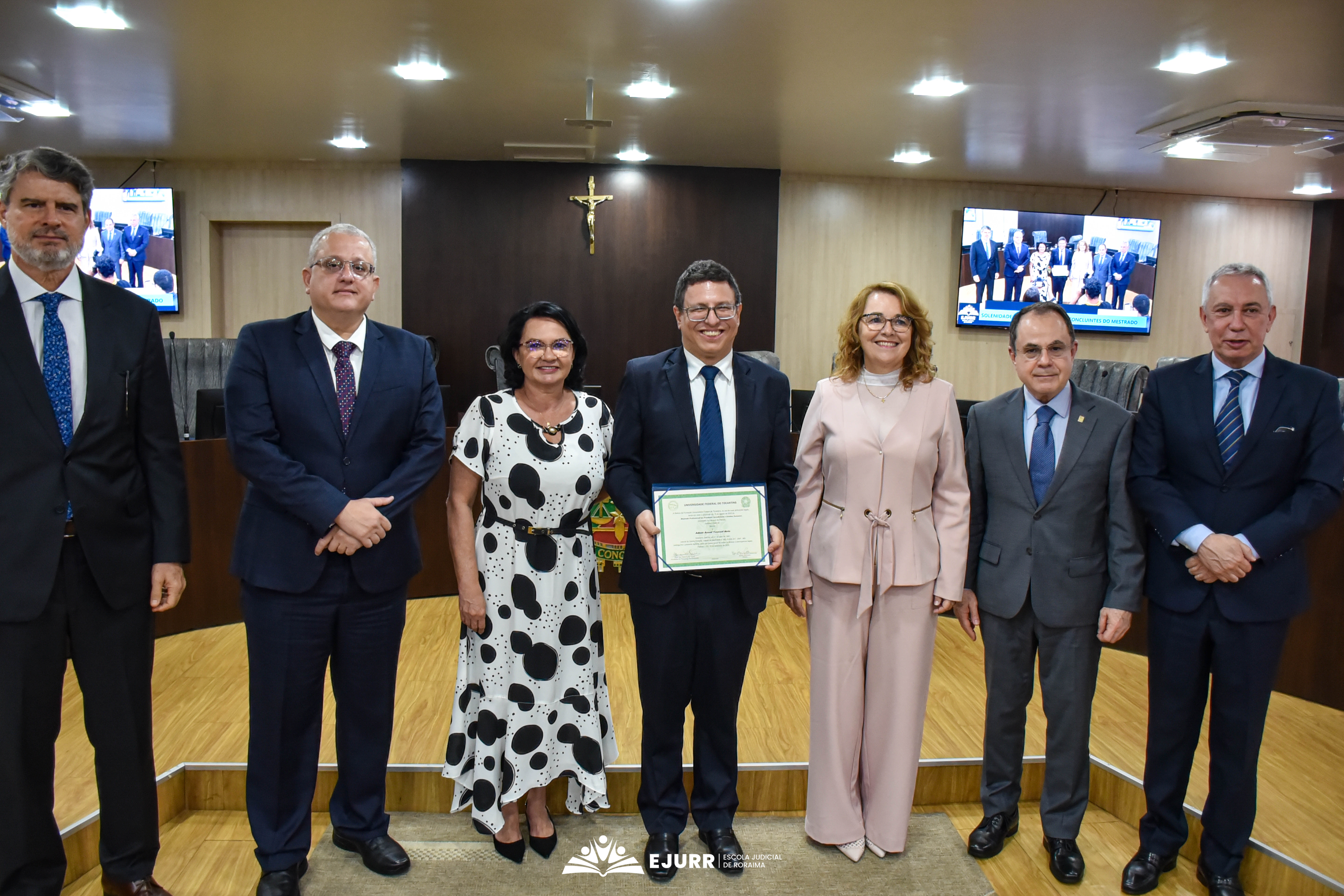
Roraima, the northernmost state of Brazil, in the morning of the penultimate day of January (Jan 30th) and in the session room of the Full Court, at the Palace of Justice Judge Robério Nunes dos Anjos, officially opened the Academic Year of the Judicial School of the State (Ejurr).
The ceremony was not only attended by the lecture of the general director of the Superior School of the Judges of the State of Tocantins (Esmat) and president of the Permanent College of Directors of State Schools of the Magistracy (Copedem), Justice Marco Villas Boas, and also dedicated a moment to the certification of the class outside the headquarters of the Master in Judicial Provision and Human Rights.
When opening the work, the director of Ejurr, Justice Tânia Vasconcelos, highlighted the importance of institutional partnerships and the strengthening of continuous training as a structuring axis of judicial provision. She also thanked for the visit and "for the partnerships over the years that the state of Tocantins has had with Ejurr". And more, she recorded words of hope and empowerment to the new professors.
“Although we forget the strength of the seed of knowledge planted in us, it remains able to germinate, grow and bear good fruit. I bring this reflection to those who are in our master’s course, who do not leave this seed quiet, we will transform it into actions, in good sentences, in good contacts, in good receptions", she said.
Quoting the apocryphal, "we are all one-winged angels, and we can only fly when we embrace each other," the justice highlighted the collective character of the conquest. "And that is exactly why we are today in this solemnity not only of opening of our calendar, but above all of certification of our colleagues, civil servers and servers of the TRE (Regional Electoral Court) who will be graduated. So, it is necessary to thank UFT (Federal University of the state of Tocantins), Copedem and Esmat for completing our wing in this flight for the knowledge and improvement of the magistrates and civil servers", she said.
In direct thanks to the general director of Esmat, the director of Ejurr stressed that institutional cooperation has been a motor for improvement. "I am filled with enthusiasm and my courage is renewed to continue the process of improving the delivery of judicial services by the Judiciary of the state of Roraima, through the dissemination of knowledge, training, multiplication of good practices, so that the present and the future are always better than the past," she added.
At the beginning of his speech, Justice Marco Villas Boas congratulated Justice Tânia for the work developed in front of the Judicial School and recalled the joint construction between the institutions. According to him, "over the years we have even established a strategic partnership between the states of Tocantins and Roraima, in the various areas of the Judiciary, and here today we conclude another stage, another cycle of this strategic partnership".
The president of Copedem also cited note 5 of the Post-Graduation Program, the performance of Professor Tarsis Barreto and the role of the Federal University of the state of Tocantins (UFT).
“It is a program that has been polished with excellent products that dignify this work we are doing. And, more than that, this institutional partnership, of bringing the STRICTO SENSU to the extreme of the North region, thinking as an Amazonian state, has grown our concept and our appreciation in the face of the Brazilian education system, to the point of providing us with this grade 5", expressed.
Lecture on ethical and responsible use of Generative Artificial Intelligence in the Judiciary
In the opening lecture, Justice Marco led a reflection on the ethical and responsible use of Generative Artificial Intelligence in the Judiciary, placing technology as a support tool, not as a substitute for human judgment. By going through the historical evolution of AI, from the first models of neural networks to the architecture of transformer-based systems, the general director of Esmat contextualized tools and how ChatGPT has been transforming the production, interpretation and organization of legal information, without, however, replacing the decision-making core that characterizes the exercise of jurisdiction.
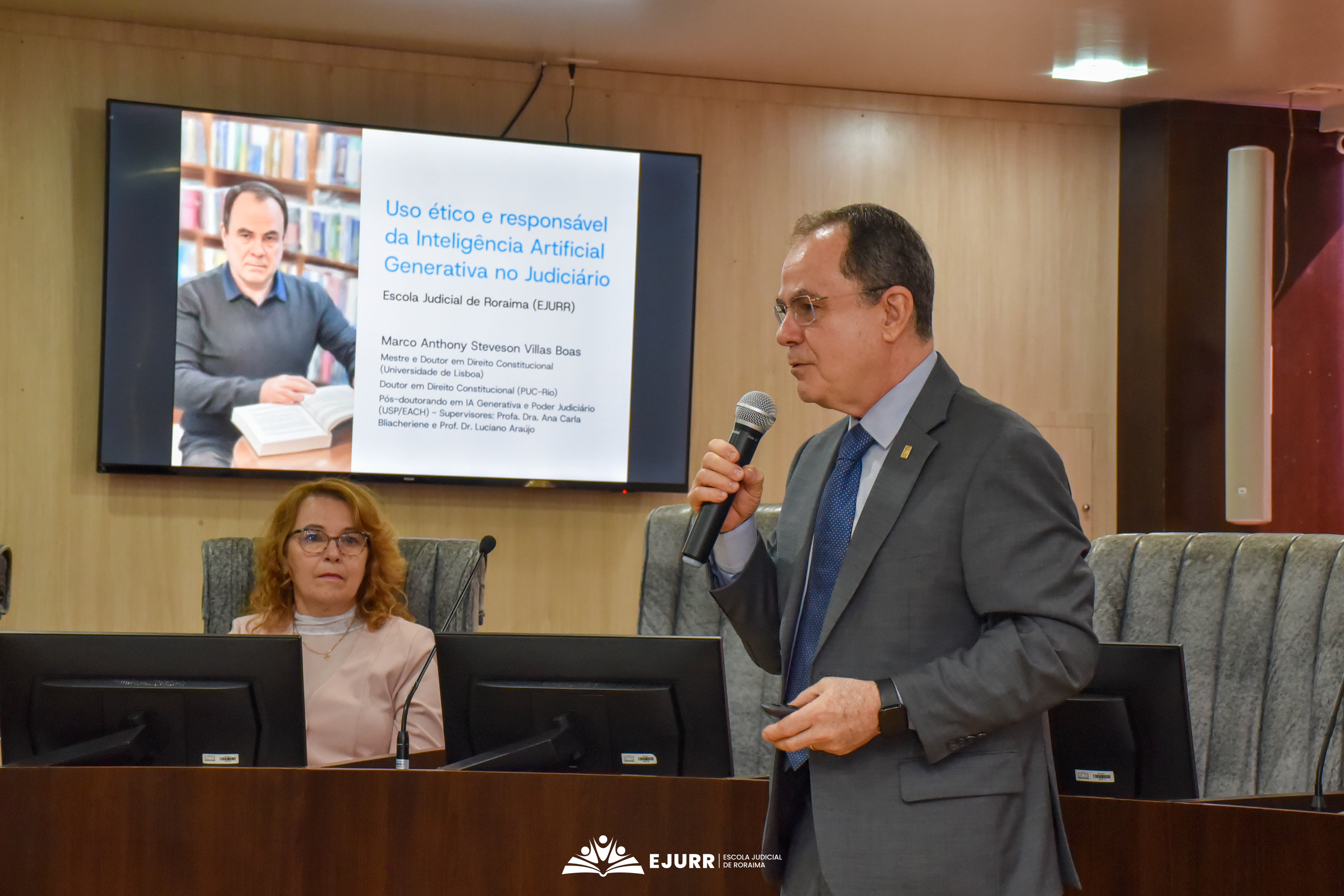
His presentation highlighted that the AI does not "store" decisions or facts as a traditional database, but operates through probabilistic standards, which reinforces the need for technical mastery by the operators of Law.
The debate also advanced to the philosophical and ethical field, with references to authors such as Ray Kurzweil, António Damásio, Michel Foucault, Zygmunt Bauman, Francis Fukuyama and Nick Bostrom. From these readings, the justice problematized tecnoutopic visions, risks of inequality, biopower, loss of human centrality and the challenges of alignment between intelligent systems and democratic values.
“So, artificial intelligence may even have a contextualized reading and give it back to you in some way; however, it has no sense of values, it has no feelings, it will never decide as a human being, despite appearing human, it is not".
Questioned about the possibility of replacing human labor by machines, the magistrate stressed the need for regulation and institutional control. "All this [transformations arising from technological evolution, especially artificial intelligence] has to be designed structurally, we cannot leave everything loose, there must be regulation and intervention of the State and international regulation so that we can walk safely, without these new technological mechanisms destroying our life and dignity", he replied.
Honor and results of the master’s
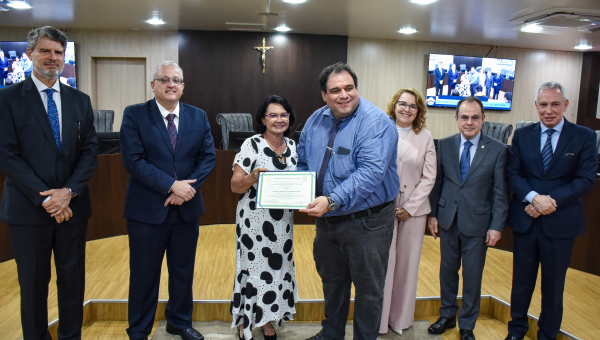
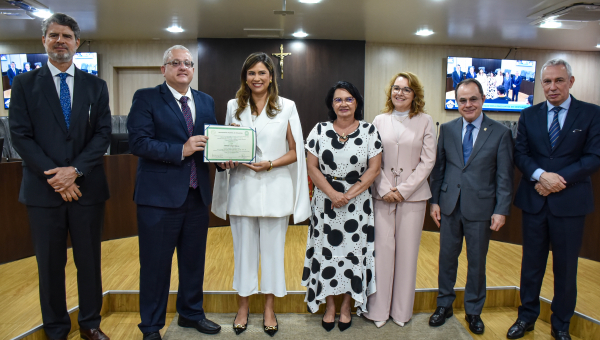
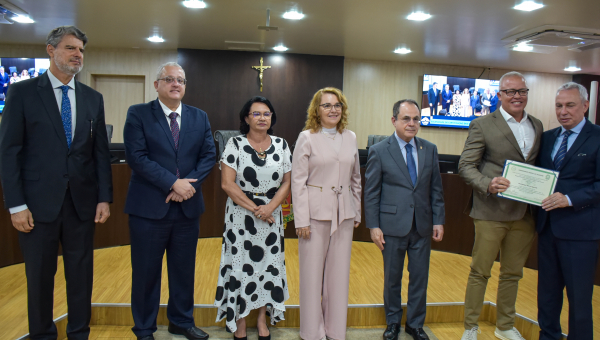
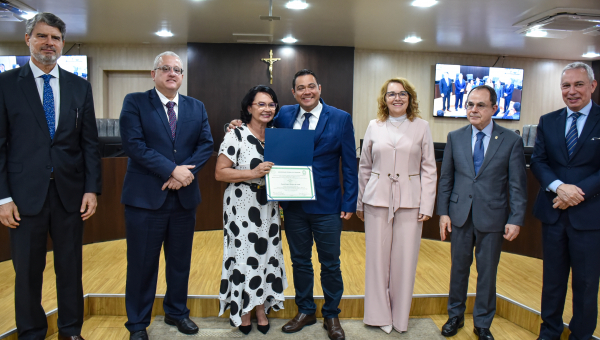
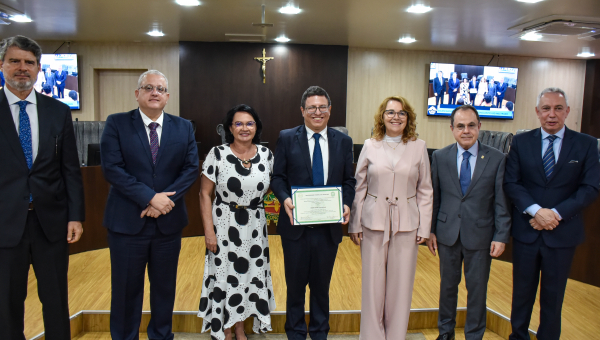

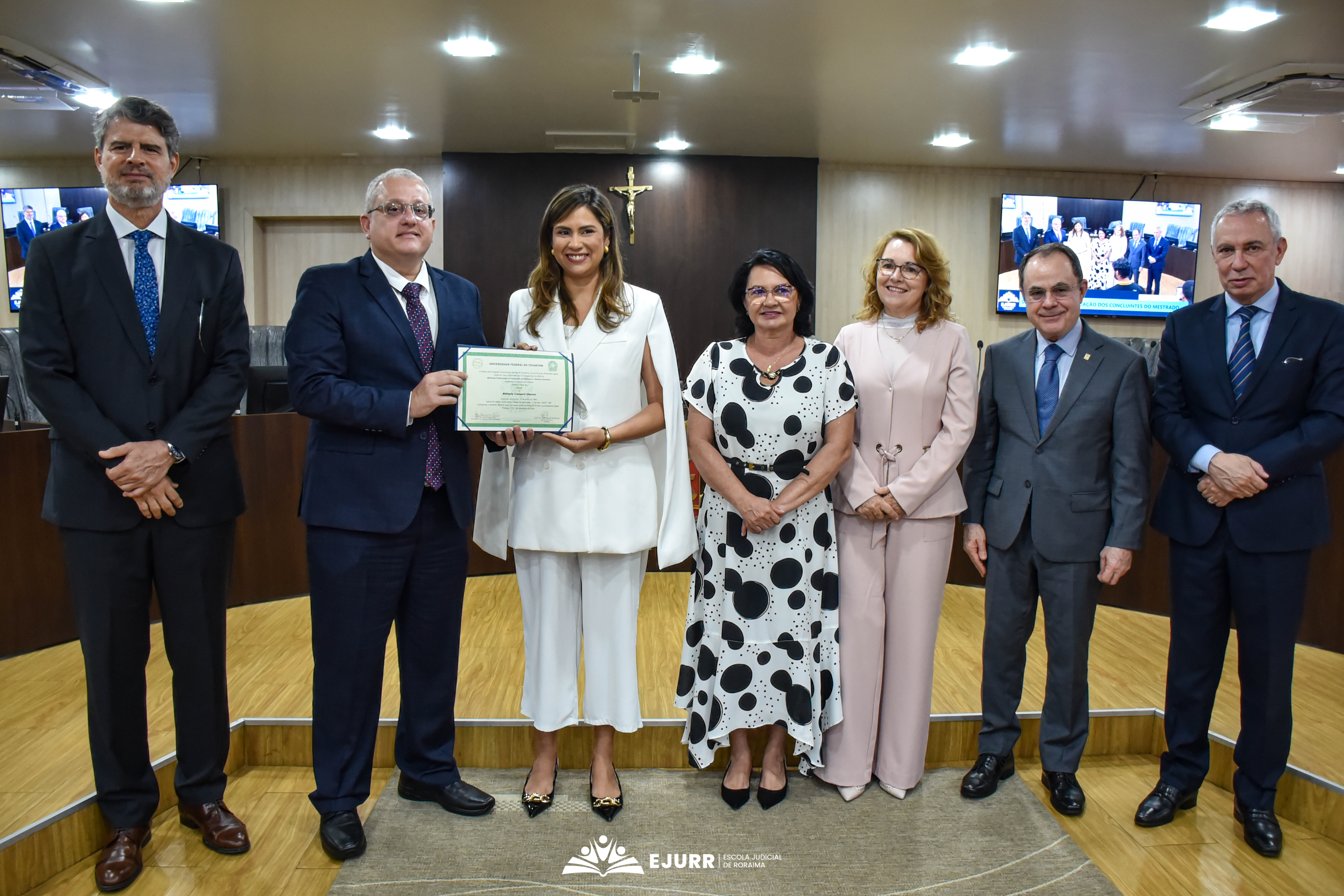
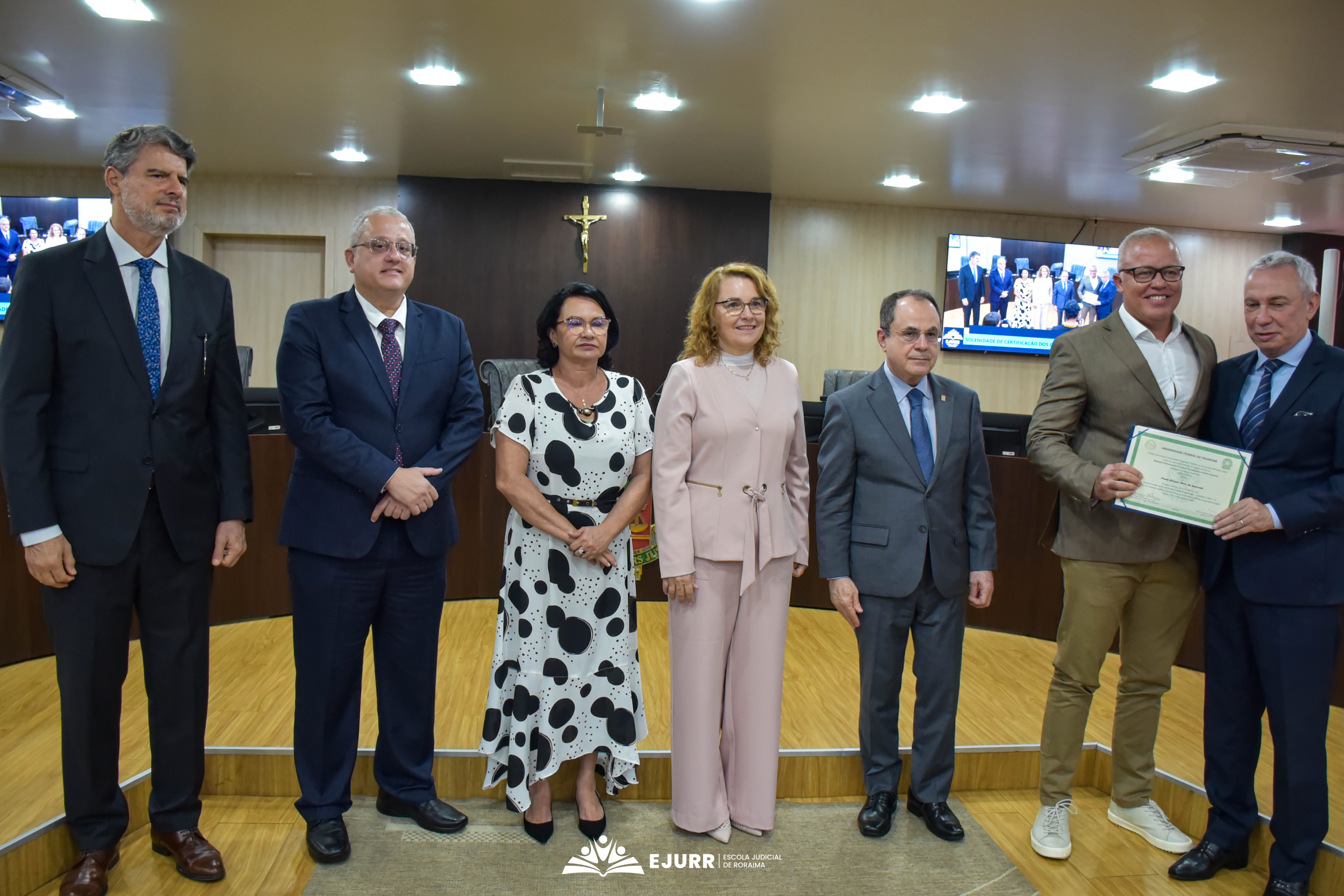
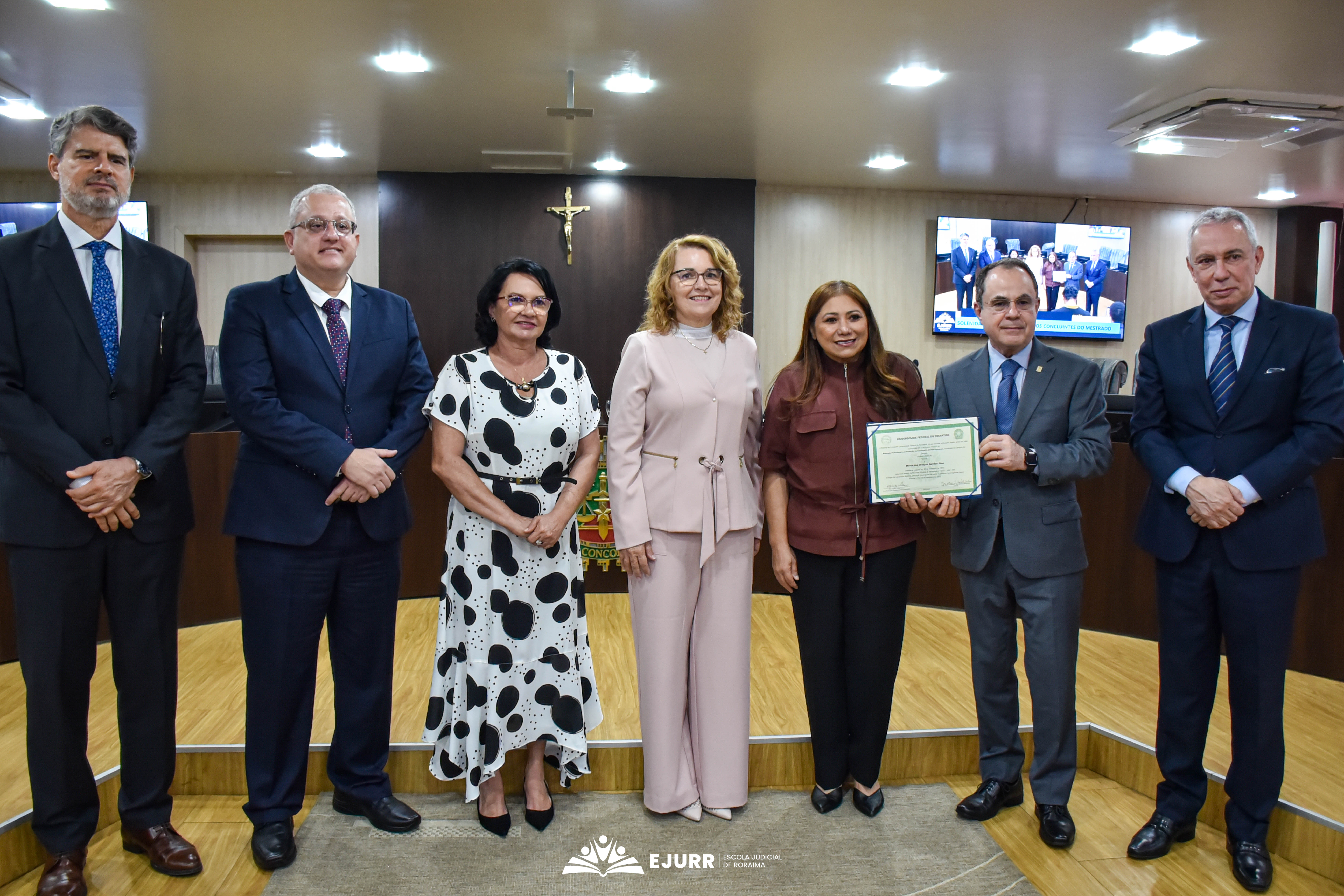
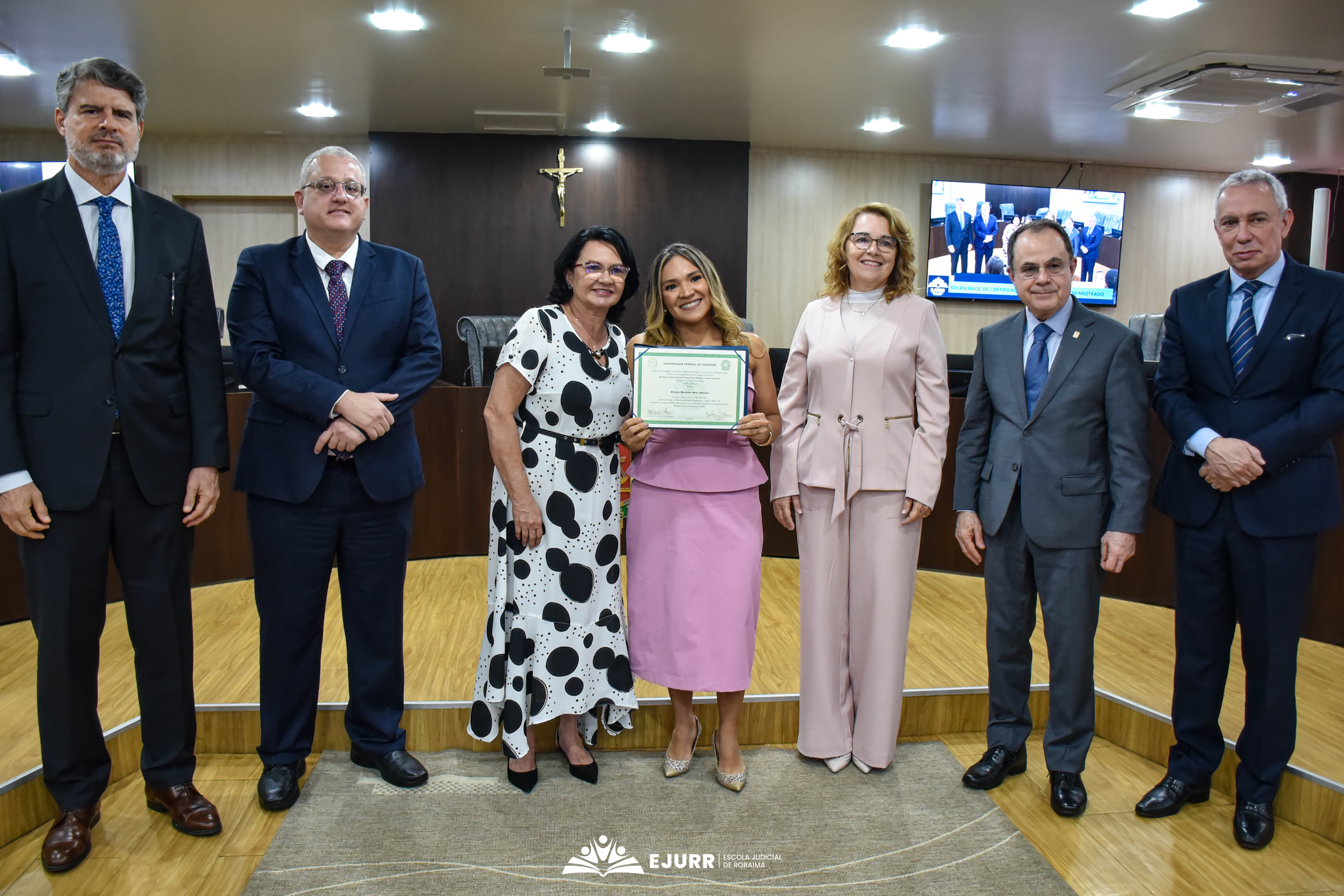
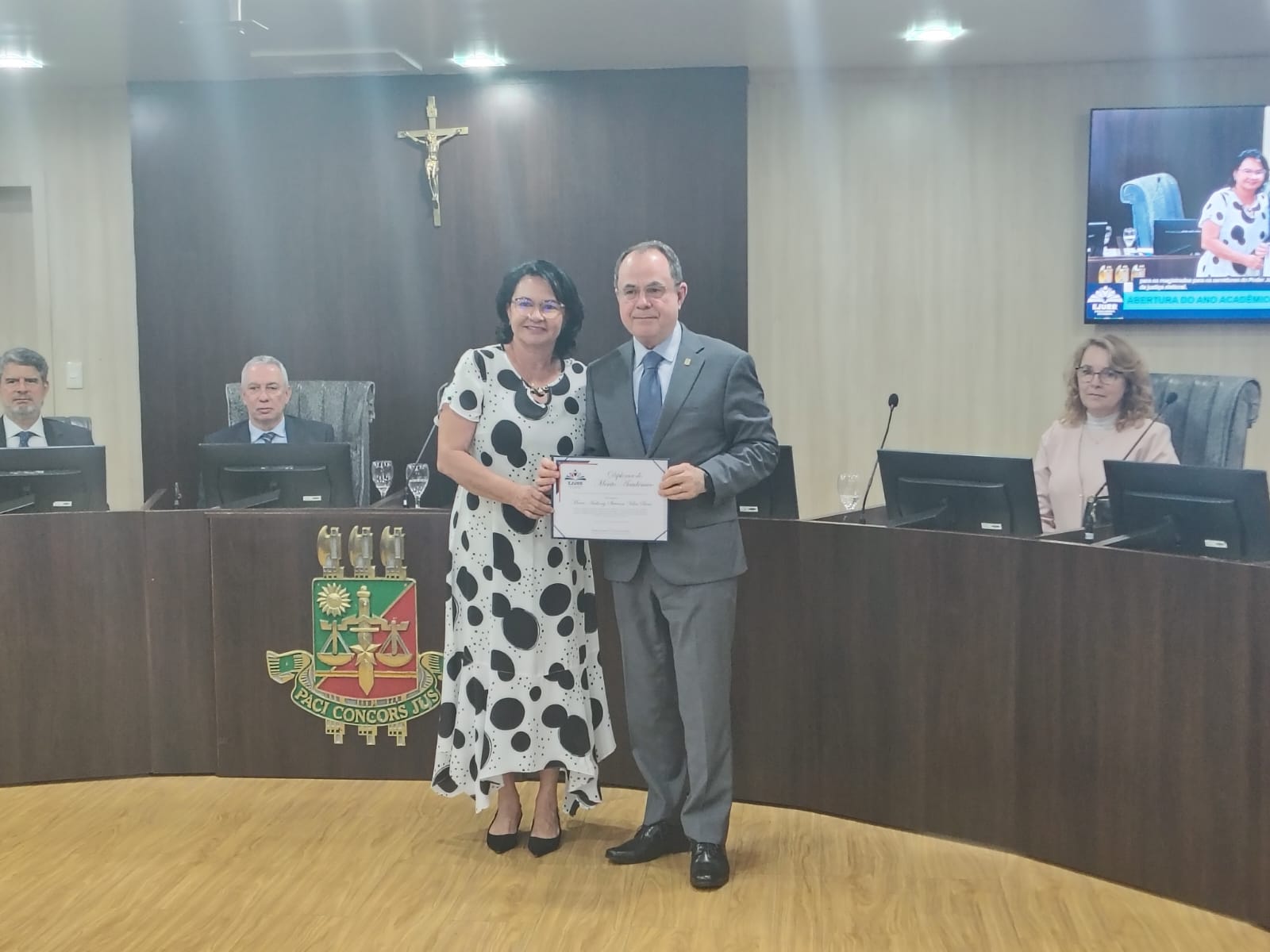
At the end of the ceremony, Justice Marco received the academic merit diploma in recognition of his initiatives, projects and achievements of outstanding merit under the STRICTO SENSU Program in Judicial Provision and Human Rights. Professor Tarsis Barreto was also awarded with the document.
The class outside the headquarters of the master entitled 13 new masters among magistrates and civil servers of the TJRR (Court of Justice of the state of Roraima) and the TRE-RR (Regional Electoral Court of the state of Roraima). The course was started in 2023, with the theoretical stage taught in person at Ejurr, with professors of the Federal University of the state of Tocantins (UFT), and completed in 2025, with the defenses of the projects.
Among the outstanding results is the article on "A Contemporary Look: Access to Justice for Venezuelan Immigrants in the states of Roraima and Amazonas", winner of the 13th Amaerj Patrícia Aciolli Award for Human Rights and the 2nd Edition of the Nayde Vasconcelos Assessor Award, of the Judicial School of the Court of Justice of the state of Amazonas (EJUD/ TJAM), prepared by the civil server of the TJRR, Maria das Graças Dias.
Another relevant initiative was the creation of the Community Council of the District of Rorainópolis, installed in July of 2025, with representatives from various segments of the municipality, strengthening social participation in criminal enforcement. The proposal was presented by Judge Raimundo Anastácio Dutra Filho, of the 2nd Title of the District of Rorainópolis.
Meet the masters and their respective research
- Adnan Assad Youssef Neto – Communication and service from the servers of the Regional Electoral Court of the state of Roraima (TRE-RR): Analysis of political electoral law and orientation for the migrant population.
- André Xavier Lima – Diversity and citizenship: A proactive study on the inclusion of the LGBTQIA+ community in the electoral justice.
- Claudio Roberto Barbosa de Araújo – De-bureaucratization of the procedural procedures for the emancipation of adolescent Venezuelan migrants as a way to fully realize access to Justice as a pillar for the realization of fundamental human rights.
- Cleber Gonçalves Filho – Improvement of the Judicial System to promote social inclusion for migrant jurisdictions: tools to allow a better experience of the Venezuelan user.
- Eduardo Álvares de Carvalho – Judicial management of the right to health: The strategic role of the CNJ and Fonajus (National Forum of the Judiciary for Health) in the governance and sustainability of the public health system in the state of Roraima.
- Fábio Rogério Santos Barros – Analysis of the fundamental right to personal data protection in the administrative procedure of the Regional Electoral Court of the state of Roraima.
- Jhemenson Santos Ferreira – The importance of the functioning of the Health Conciliation Chamber of the Court of Justice of the state of Roraima.
- Klíssia Michele Melo Oliveira – Sustainable public procurement in the Judiciary: roots, robust trunk and growing foliage, under the perspective of the Law no 14.133, of 2021.
- Maria das Graças Santos Dias – Access to justice for Venezuelan migrants in the state of Roraima: A focus on women victims of domestic violence, through the 2023-2024 emergency protective measures.
- Paulo Renato Silva de Azevedo – The judicial officer with procedural intelligence agent: Proposal for the implementation of the Center for Intelligence of the Judicial Officers (NIOJ) in the district of Boa Vista/ state of RR.
- Rafaelly da Silva Lampert – Sexual abuse against children and adolescents in the District of Bonfim in the state of Roraima – Brazil.
- Raimundo Anastácio Carvalho Dutra Filho – Installation of the Community Council in the District of Rorainópolis, in 2025.