


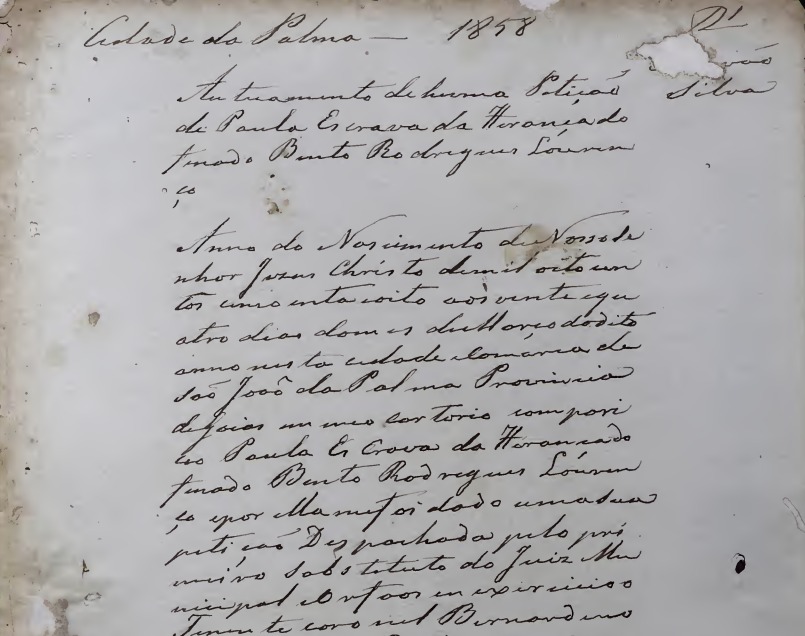
The Final Report of the Working Group on "Memory of Slavery and Freedom" of the National Council of Justice (CNJ) mentions an initiative of the Judiciary of the state of Tocantins, carried out through the Superior School of the Judges of the State of Tocantins (Esmat), by highlighting the disclosure of a historical document that reveals the story of Paula, a black woman enslaved who sought and judicially won her freedom in 1858, in the former district of São João da Palma (present-day Paranã).
The quote recognizes a movement that, in the state of Tocantins, has been built in stages: formation, preservation and public dissemination of collections, so that silenced stories gain space and meaning in the present.
A path that began before the document
In 2023, Esmat held the Workshop on "Memory and Documentary Management of the Judiciary: paths and challenges", opening space to discuss mechanisms and routines capable of structuring document and memory management within the Judiciary of the state of Tocantins.
As early as 2024, the School reinforced its training agenda with the course on "Practices in Memory Management: documentary preservation and dissemination of the history of Justice", focused on theoretical and practical knowledge about preservation, organization and dissemination of historical documents related to Justice.
In the same year, civil serves of the TJTO sought technical depth at the IV National Meeting of Memory of the Judiciary, in the city of São Paulo, between May 7th and 10th, in a programming that brought together experts and experiences from various courts.
At the same time, the state of Tocantins made progress in the institutional structure of the topic, with the action of commissions focused on memory and document management, and with normative frameworks.
“Silenced Voices": Document, Exhibition And History Gaining Body
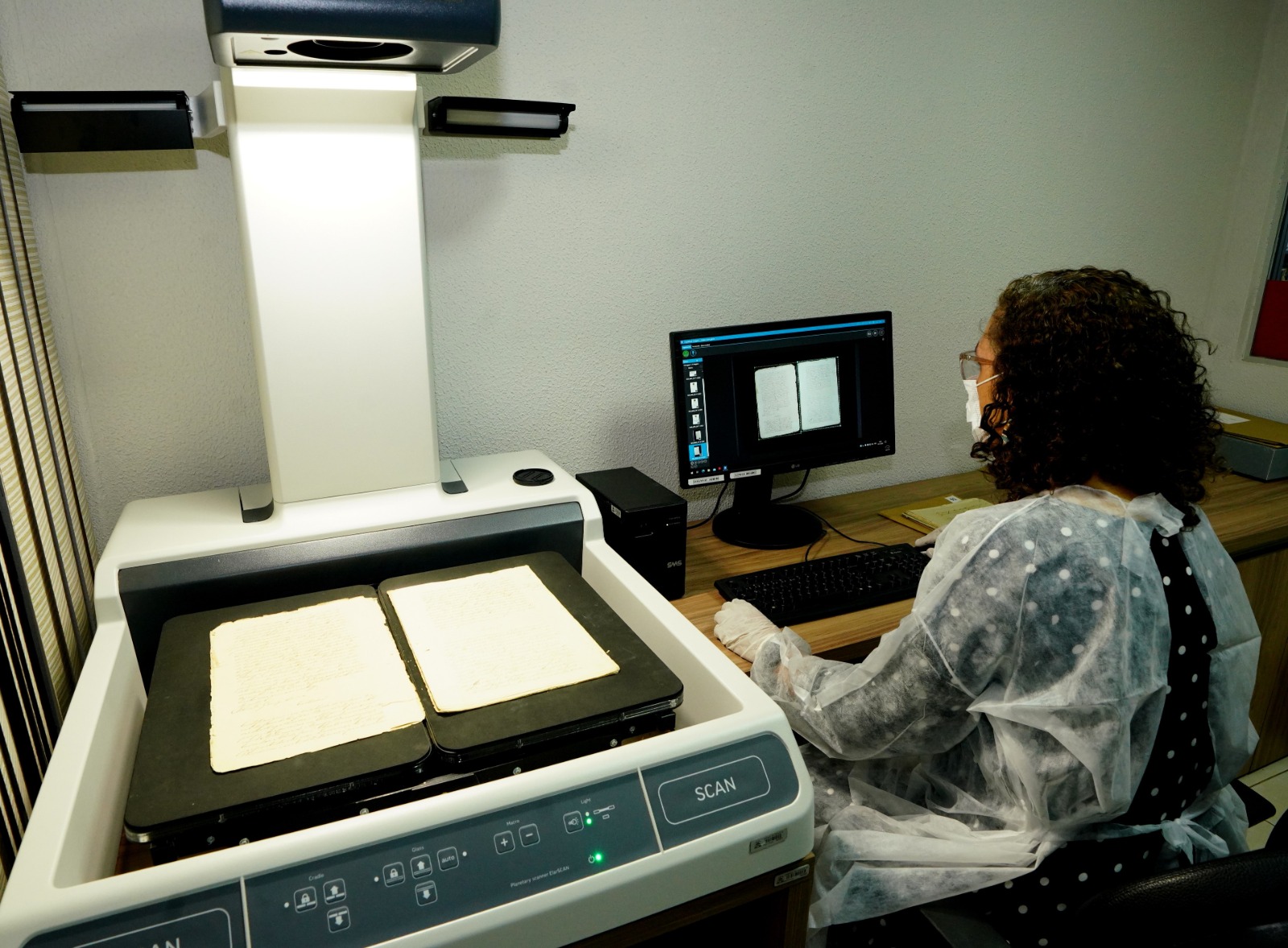
On November 20th, 2024, the National Day of Black Consciousness, Esmat took a decisive step by making available to the public the historical process of 1858, accompanied by transcription, after work of digitization and preservation care.
The case of Paula, evaluated at 60 thousand réis and described in the records as an elderly person with "visible disease", was no longer just a stored record and became also an instrument for reflection, research and collective memory.
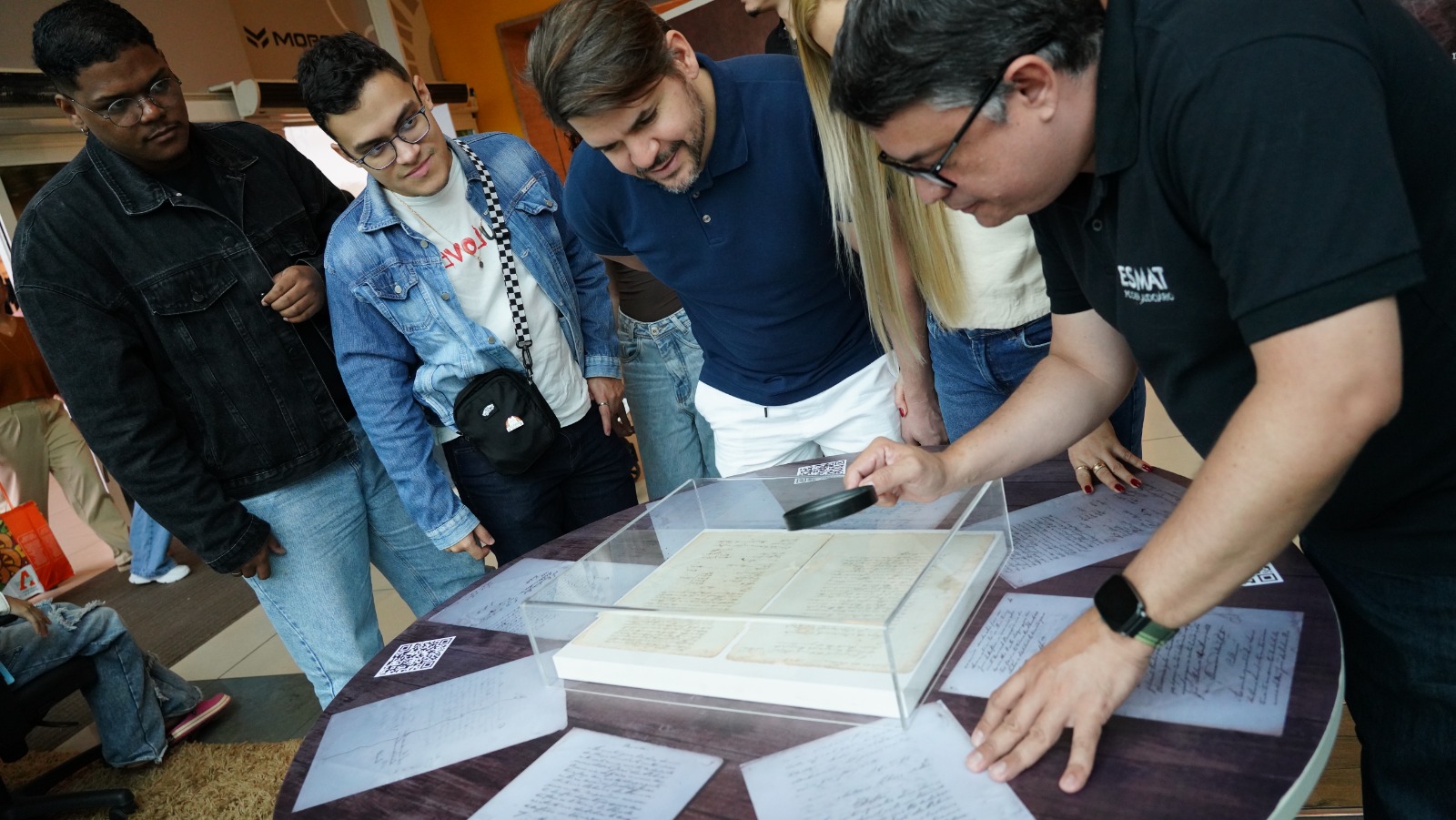
In 2025, history gained new forms of encounter with society. TJTO, through the Commissions for Memory Management and Document Management, in partnership with Esmat, inaugurated in May the exhibition: "Silenced Voices: Struggle of Paula for freedom", in the city of Palmas, also marking the launch of the Portal of Memory of the Judiciary of the state of Tocantins.
Throughout the year, the exhibition continued in an itinerant format, passing through the cities of Araguaína and Gurupi, and returned to the capital in December, at the Capim Dourado Mall, as part of the actions of the Day of Justice, with the participation of the Judicial Ombudsman in serving the public.
While these actions won the streets and corridors of public spaces, the Judiciary also continued to work "behind the scenes" of document management.
In January of 2025, the Normative Instruction 23 came into force, which regulates the evaluation, assignment and elimination of physical documents prior to the electronic process and not digitized. In November, the rescue also took the stage.
The trial of 1858 that revealed the story of Paula became the show: "Silenced Voices: Struggle of Paula for Freedom", presented in the auditorium of the TJTO during the 2nd Week of Dialogues on Equality and Diversity (Nov 17th and 18th).
The montage transformed the document into a living memory, with body, voice and emotion, and it reinforced, within the Judiciary itself, that preserving assets also means recognizing lives and stories that for too long have remained outside the center of the debate.

And, in 2026, CPAD and the Commission for Memory Management have already resumed meetings to analyze notices of appointment and deliberations on disposal and preservation, signaling that care for the collection, and what it represents, follows as a continuous agenda.
Also read
Memory Management Policy within the Judiciary of the State of Tocantins - Resolution no. 1, of February 3rd, 2022;
Commission for Memory Management;
Commission on Jurisprudence, Documentation and Memory - COJUD;
Permanent Commission on Document Evaluation - CPAD;
Silenced Voices: the document that became art and moved the Judiciary of the state of Tocantins;
