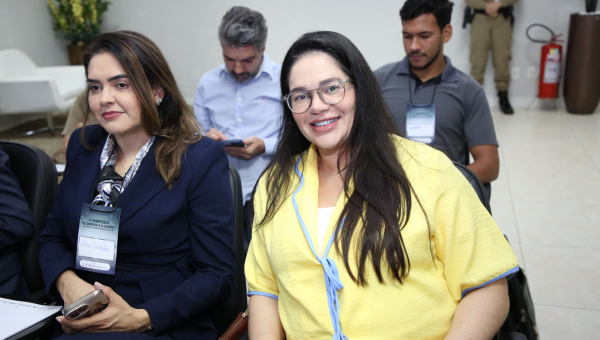
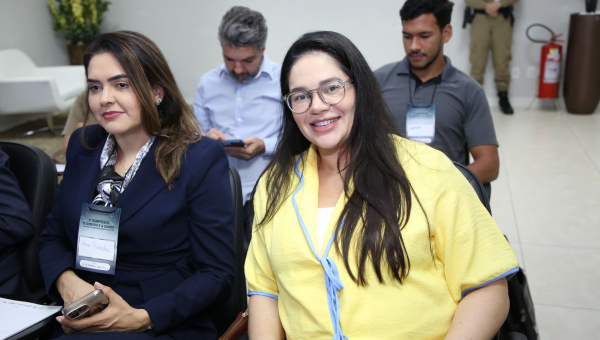
The conference of the retired minister of the Supreme Federal Court (STF) Luís Roberto Barroso ended, on this Monday (April 13th), the programming of the V Symposium on Law and Health: Focusing on the judicialization of health, promoted by the Superior School of the Judges of the State of Tocantins (Esmat), in partnership with the Institute of Supplementary Health Studies (IESS).
In his presentation, the jurist drew attention to the complexity of health judicialization in Brazil, the institutional limits of the system and the need for judicial decisions supported by technical criteria, institutional responsibility and systemic vision.
While addressing the role of the STF in the examination of health-related demands, Barroso highlighted that the topic is part of a broader scenario of increasing judicialization of the Brazilian life. According to him, the controversies in this area demand from the Judiciary not only sensitivity before concrete cases, but also the ability to understand the structural impacts of each decision, especially when access to treatment and assistance coverage, the economic and financial sustainability and the organization of services provided to the population are at stake.
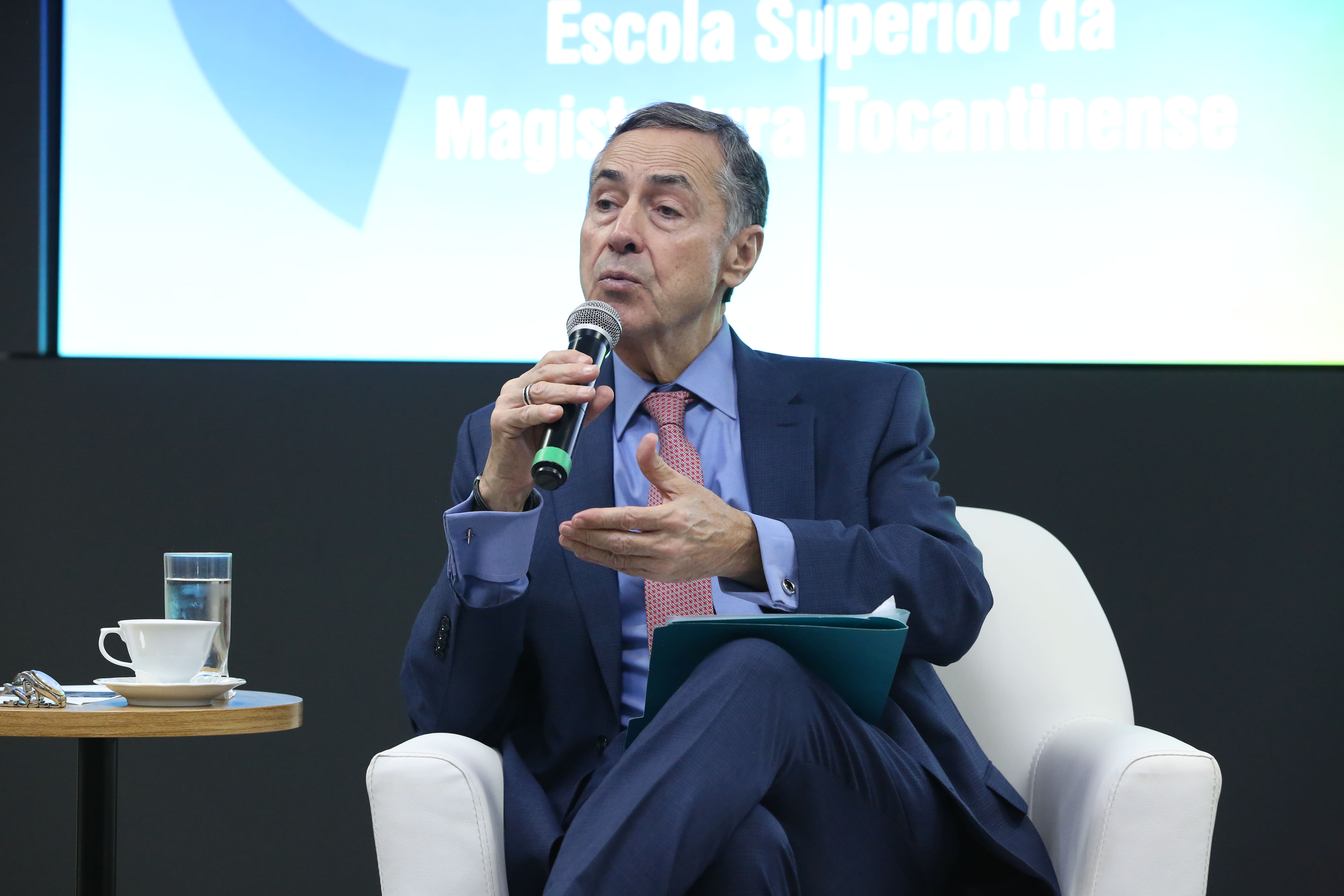
In his speech, Barroso argued that the judicialization of health should be analyzed from the understanding of the specificities of public health and supplementary health regimes, without losing sight that both are linked to the protection of a fundamental right. He also stressed that the examination of these claims cannot be limited to the individual perspective of the dispute, but must also consider the collective and systemic effects produced by judicial decisions.
In addressing the sensitivity of the subject, the jurist noted that the right to health is among the most sensitive matters submitted to the Judiciary, precisely because it involves decisions with immediate repercussions on the lives of people and on the functioning of the system. In this context, he said:
“Dealing with health means making tragic choices. It’s not a choice between saving one life or protecting the budget; it’s a choice between saving one life here and sacrificing so many lives there, or vice versa”.
Honor
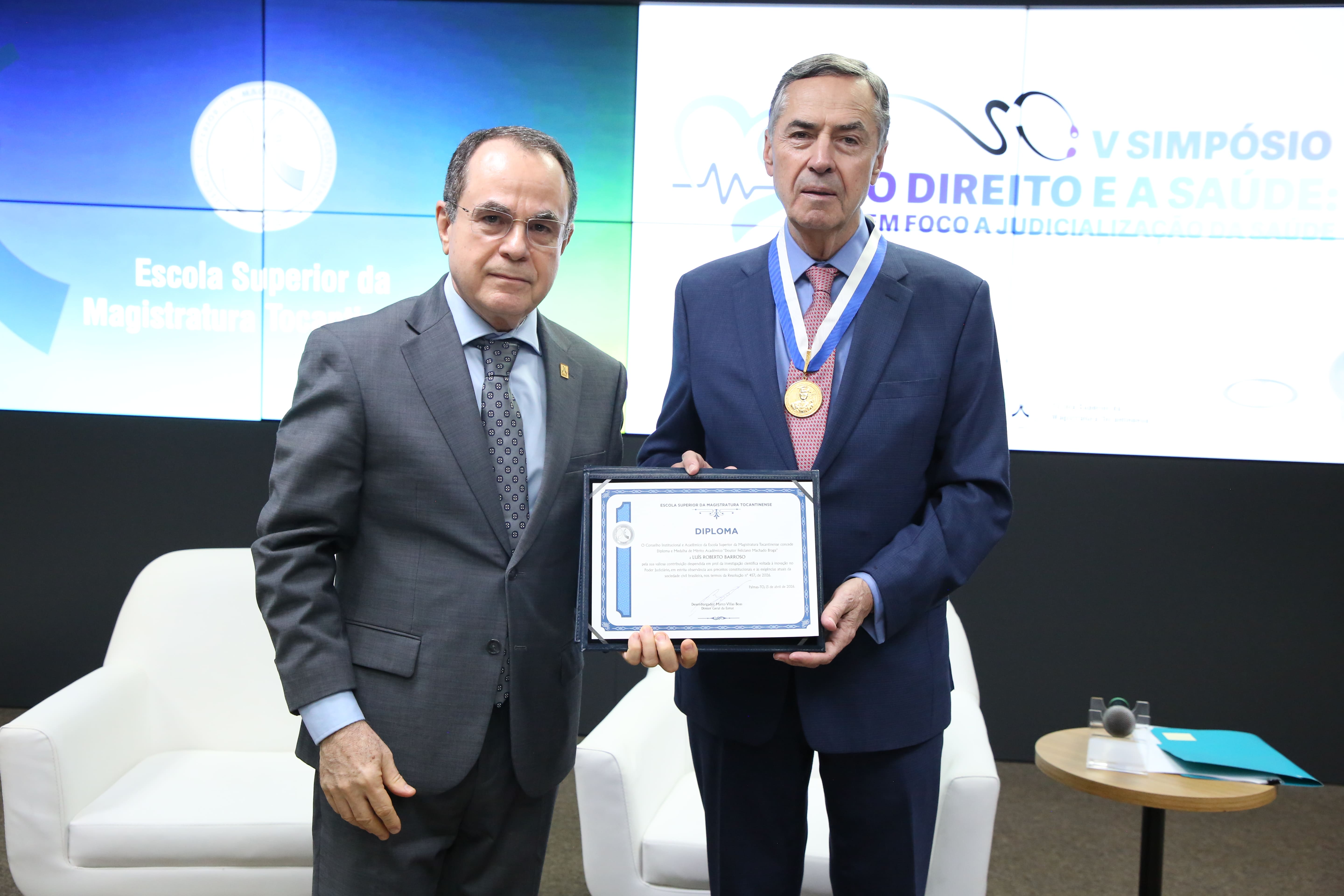
During the programming, Esmat also paid tribute to the minister with the award of the Medal of Academic Merit Feliciano Machado Braga, presented by Justice Marco Villas Boas, general director of the School and president of the Permanent College of Directors of State Schools of the Magistracy (Copedem), in recognition of his outstanding contribution to Law, democracy and the strengthening of the Brazilian institutions.
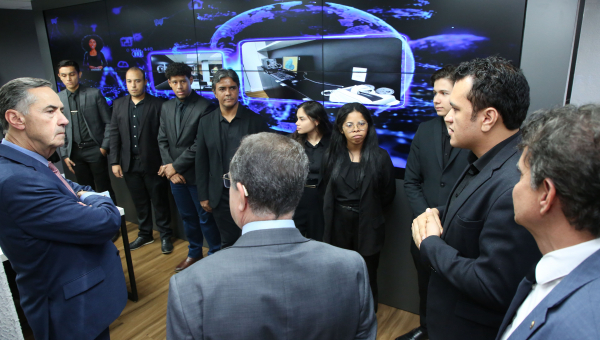
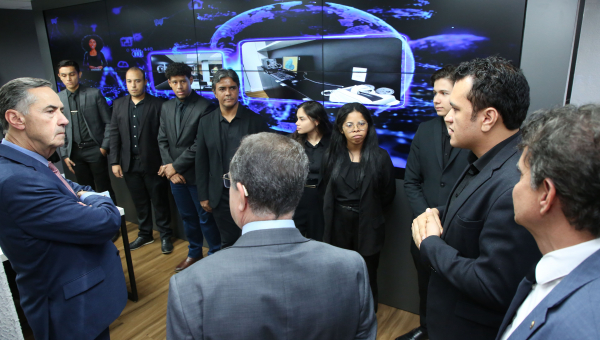
Before the lecture, the jurist was greeted by Justice Marco, who introduced him to the academic and institutional structure of Esmat, especially the Interdisciplinary Laboratory of Artificial Intelligence (LIIARES), an initiative aimed at applied research, technological innovation and continuous training within the Judiciary.
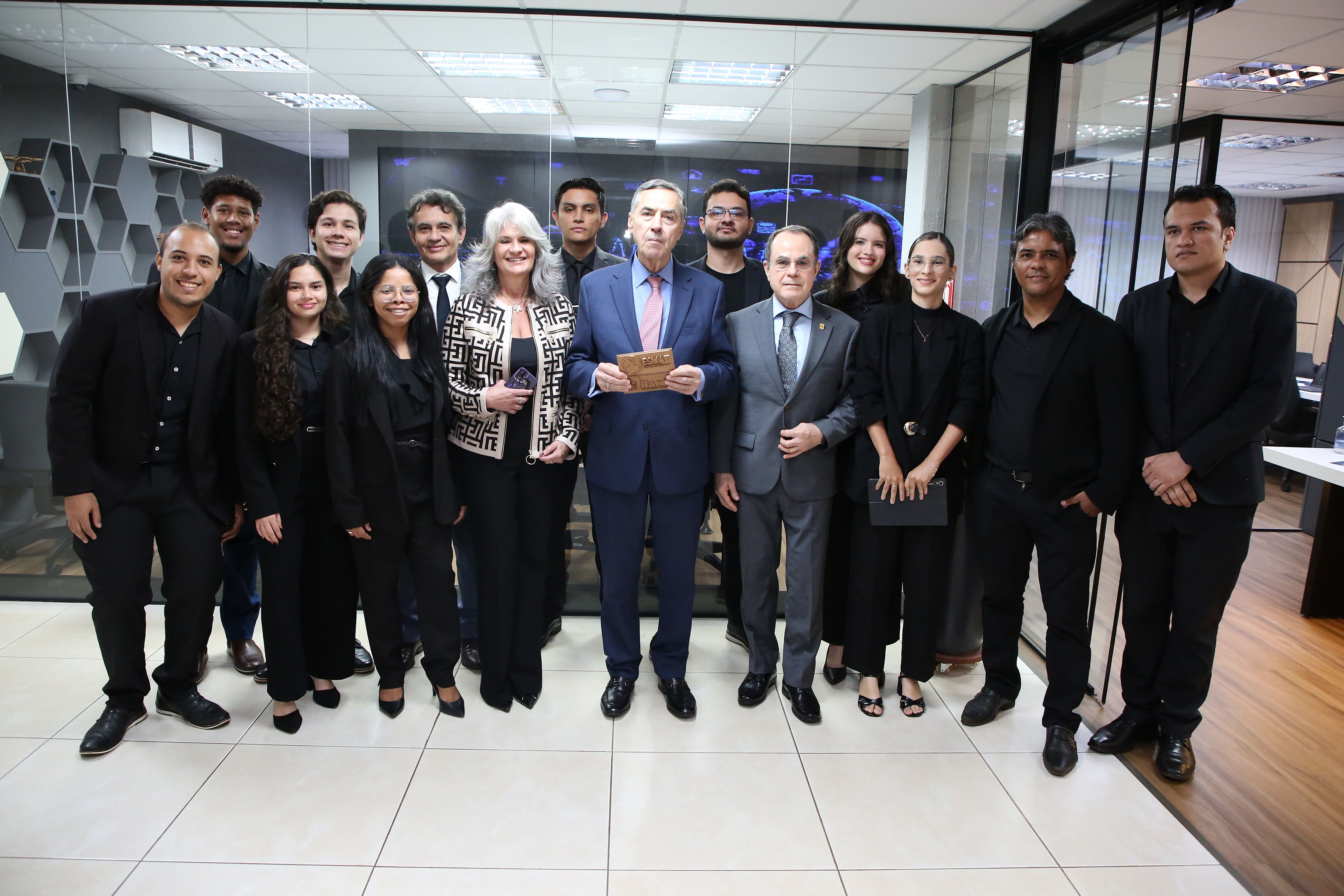
The meeting highlighted the commitment of the School on building an academic environment oriented towards excellence, innovation and qualified engagement with contemporary issues of high social relevance.