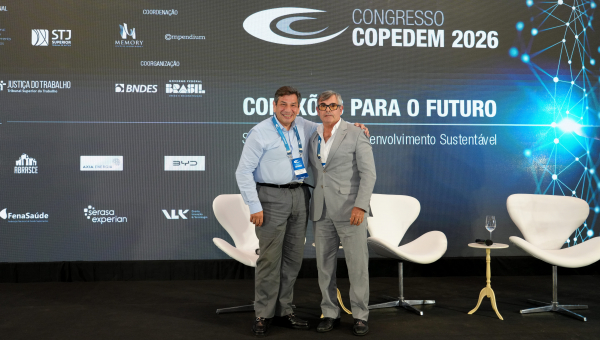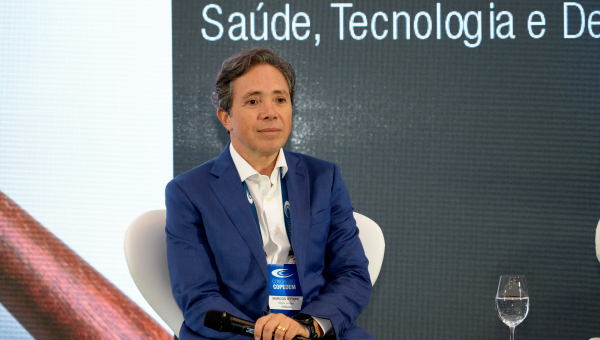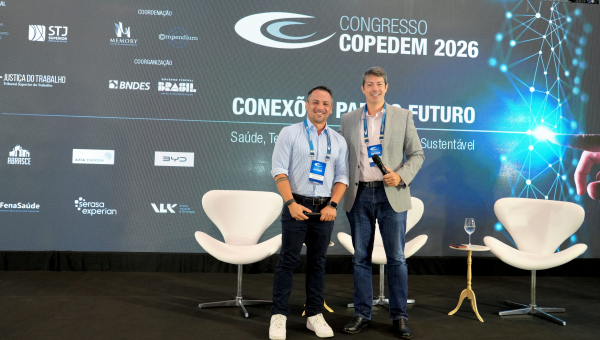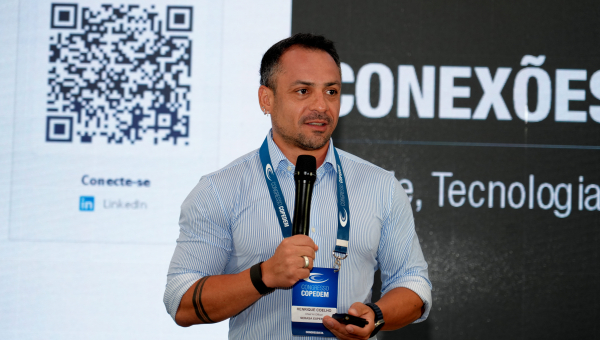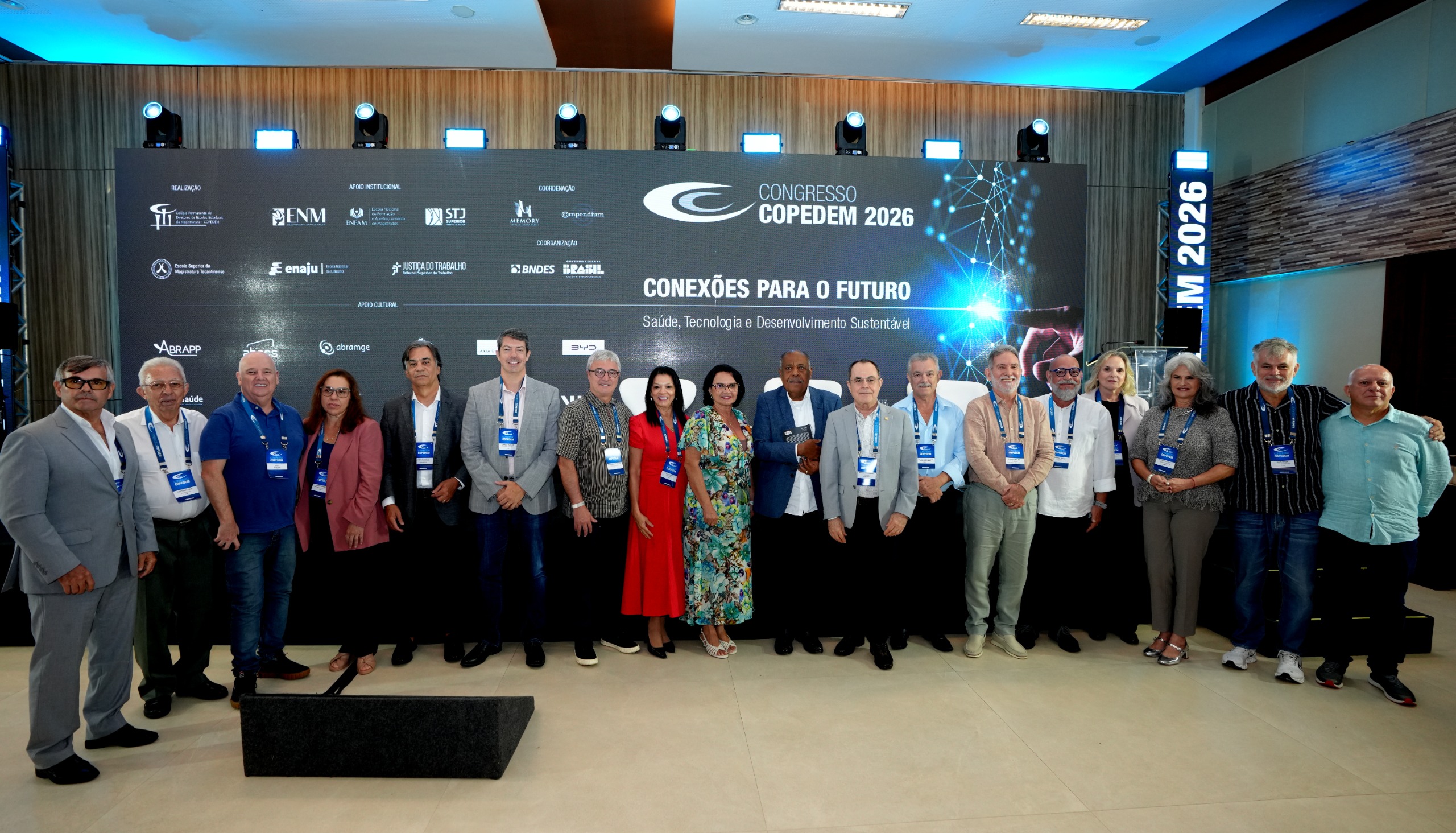
The Copedem Congress 2026 was closed this Saturday (March 28th), in the city of Praia do Forte, in the state of Bahia, after three days of programming dedicated to debates on health, technology, sustainable development and the impacts of these agendas on the Justice System. On the last day, the programming brought together panels on productivity, artificial intelligence, risk regulations, supplementary health fraud, judicialization, assistance protocols, energy security, and automotive industry transformation before the final closing panel, "A vision of the Brazilian Justice".
At the end of the event, the president of the Permanent College of Directors of State Schools of the Magistracy and general director of the Superior School of the Judges of the State of Tocantins (Esmat), Justice Marco Villas Boas, stated that the meeting fulfilled a role that went beyond the traditional format of a Congress.
“(...) when I declared this Congress open, I said that I hoped it would be more than an event. That it would be a connection that remains. Now, at the end of Copedem 2026, I can say with conviction: it was exactly that", he declared.
According to the justice, what has been built is not the fulfillment of a thematic agenda, but a collective process of listening, formulation and exchange among different areas of knowledge.
“What we experienced here, in this space where the state of Bahia welcomed with its characteristic generosity the best of national thought, was much more than a fulfilled programming. It was a process. A collective construction made up of brave questions, honest answers, attentive silences and debates that will have no end when we cross the door of this hotel," he said.
Themes of the present, commitment to the future
When revisiting the content discussed in the Congress, the president of Copedem emphasized that the axes chosen for the edition of 2026 were treated in concrete key, linked to public and institutional responsibility.

"We speak of health - not only as the absence of disease, but also as a fundamental condition of human dignity. We speak of technology - not as an end in itself, but as a means to serve people and communities. We speak of sustainable development - not as a slogan, but as a concrete responsibility before future generations", he said.
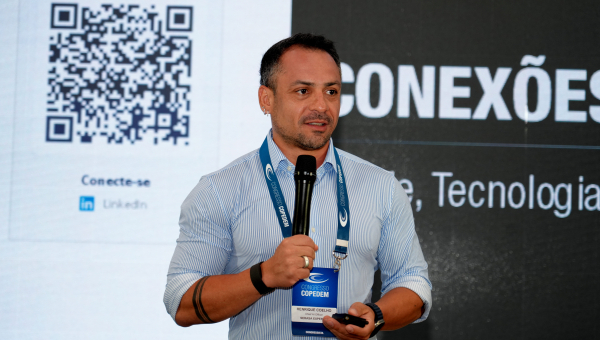
The afternoon schedule reflected this variety of themes. The first panel addressed "The new era of productivity: how AI transforms business and our routine", with the participation of Henrique Coelho, Chief AI Officer of Serasa Experian. Then, the Congress dealt with artificial intelligence in the Judiciary and risk and technology regulations, with speeches from minister Ricardo Villas Bôas Cueva, of the STJ, and Professor Bruno Bioni, director of Data Privacy Brazil.
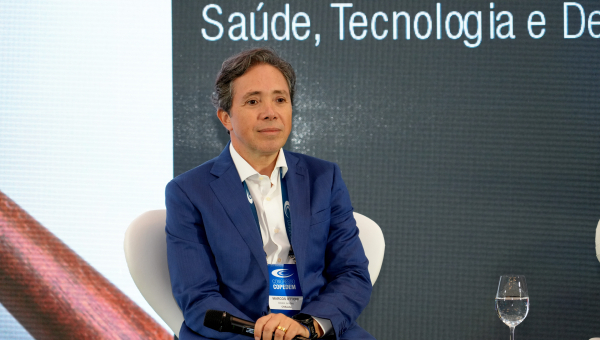
Subsequently, the agenda turned to supplementary health fraud, with the legal director of CNseg, Glauce Carvalhal; to the impacts of the ADI number 7,265 on ongoing court cases and its application to new claims involving supplementary health, with Marcos Ottoni, legal director of CNSaúde (CNHealth); and for the panel on "From innovation to practice: technology, protocols and value-based health", with Cássio Ide Alves, technical medical director of Abramge.
The final stretch of the day also brought together debates on legal security as a pillar of energy security, with José Eduardo Barros, general legal director of AXIA Energy, and on the transition to electric mobility and the challenge of legal security: regulation and emerging legal issues, with Aldo Filho, legal supervisor of BYD Brazil.
Closing with reflection on the limits of judicialization

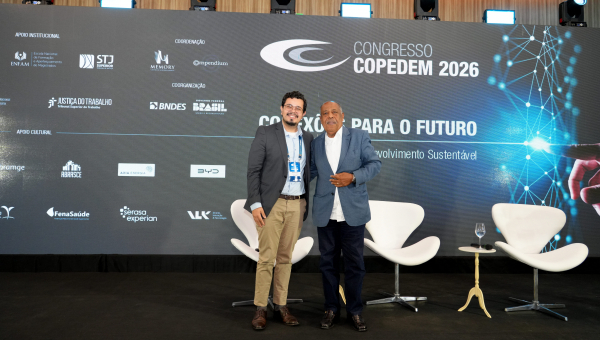
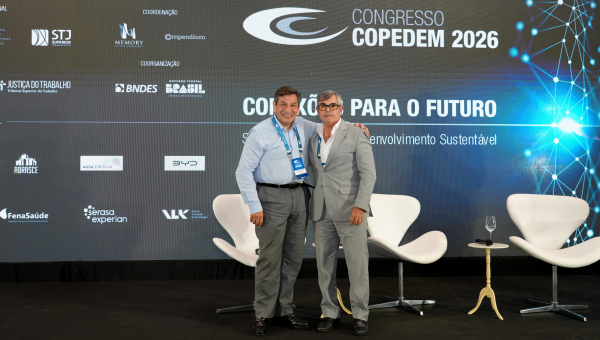
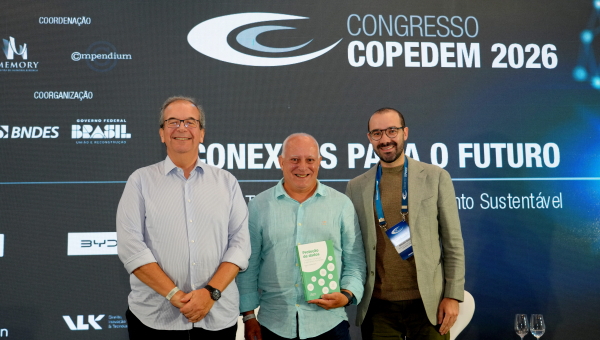
The final programming of the Congress featured the closing panel on "A vision of the Brazilian Justice", with participation of minister João Otávio de Noronha, from the Superior Court of Justice (STJ); minister Benedito Gonçalves, also from the STJ and general director of Enfam; of the president of the Court of Justice of the State of Bahia (TJBA), Justice José Edivaldo Rocha Rotondano; and of Justice Marco Villas Boas, president of Copedem.
The moment closed an edition marked by the presence of magistrates, experts, researchers and representatives of different public and private institutions around strategic issues for the present and future of the Judiciary.
In his speech, minister João Otávio de Noronha defended a reflection on the limits of judicialization and the effects of transferring public policy decisions to the Judiciary.
In the sequence, minister Benedito Gonçalves resumed the reflection calling attention to the need for balance between access to Justice and respect for the constitutional limits of action of each Power.

“The Judiciary has fulfilled its role, access to Justice is in the Article 5 of the Constitution, but knowing the limit of its competence", he said.
For the general director of Enfam, the reflection launched at the end of the Congress must be carried by all segments of the Justice System. The debate was also accompanied by a statement from the president of the TJBA, Justice José Edivaldo, who congratulated Justice Marco for choosing the state of Bahia as the meeting location and highlighted the quality of the programming.
“Thank you for the excellence of the event, obviously, the choice of such a current and exciting theme, for the excellence of the speakers," he said.
Legacy that remains

When officially closing the Congress, the president of Copedem, justice Marco, once again defended dialogue as a central institutional and human value for building more consistent public responses.
“I leave here more convinced than before that dialogue – the genuine one, open dialogue willing to be surprised - is the most powerful tool we have. Not artificial intelligence, however sophisticated. Not the data, however precise. But the encounter among minds that think with freedom and hearts that care about the result", he commented.