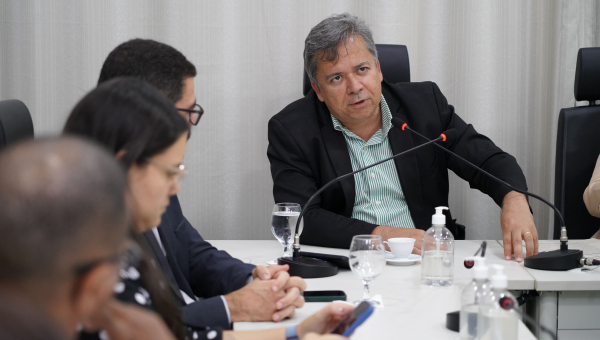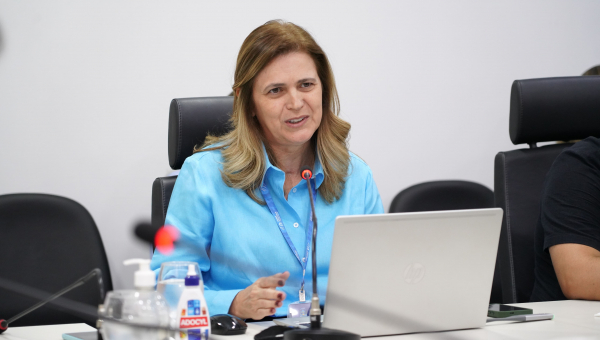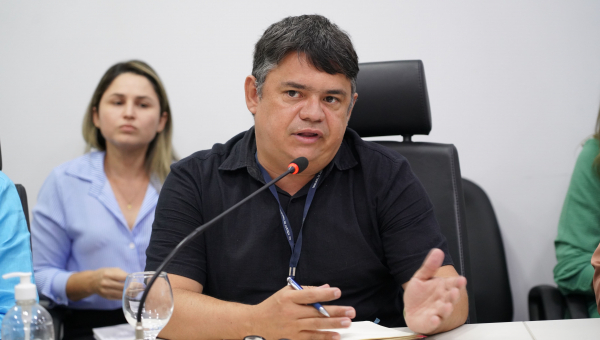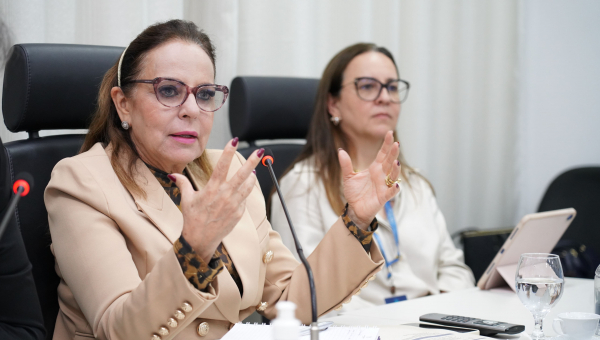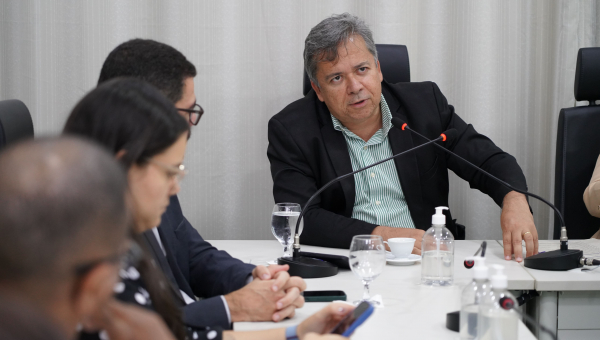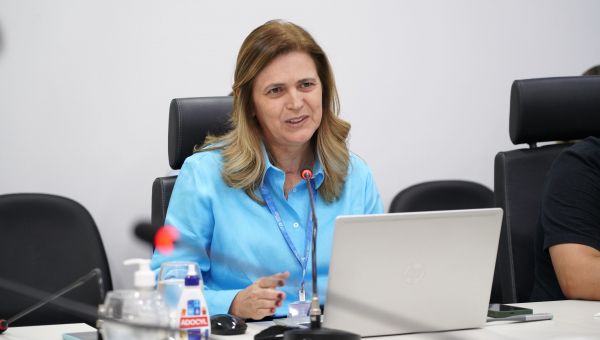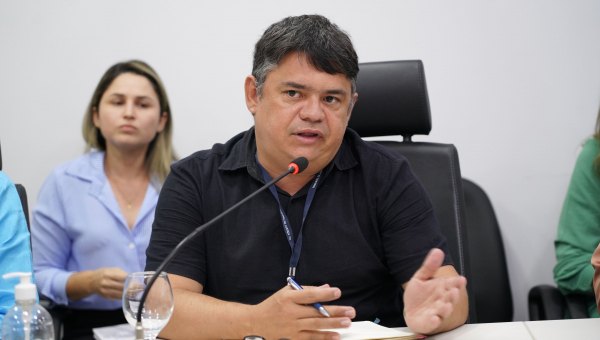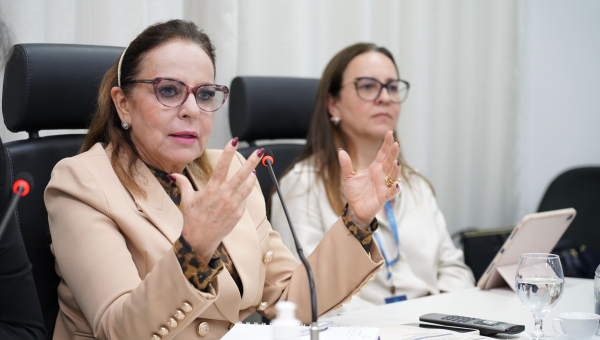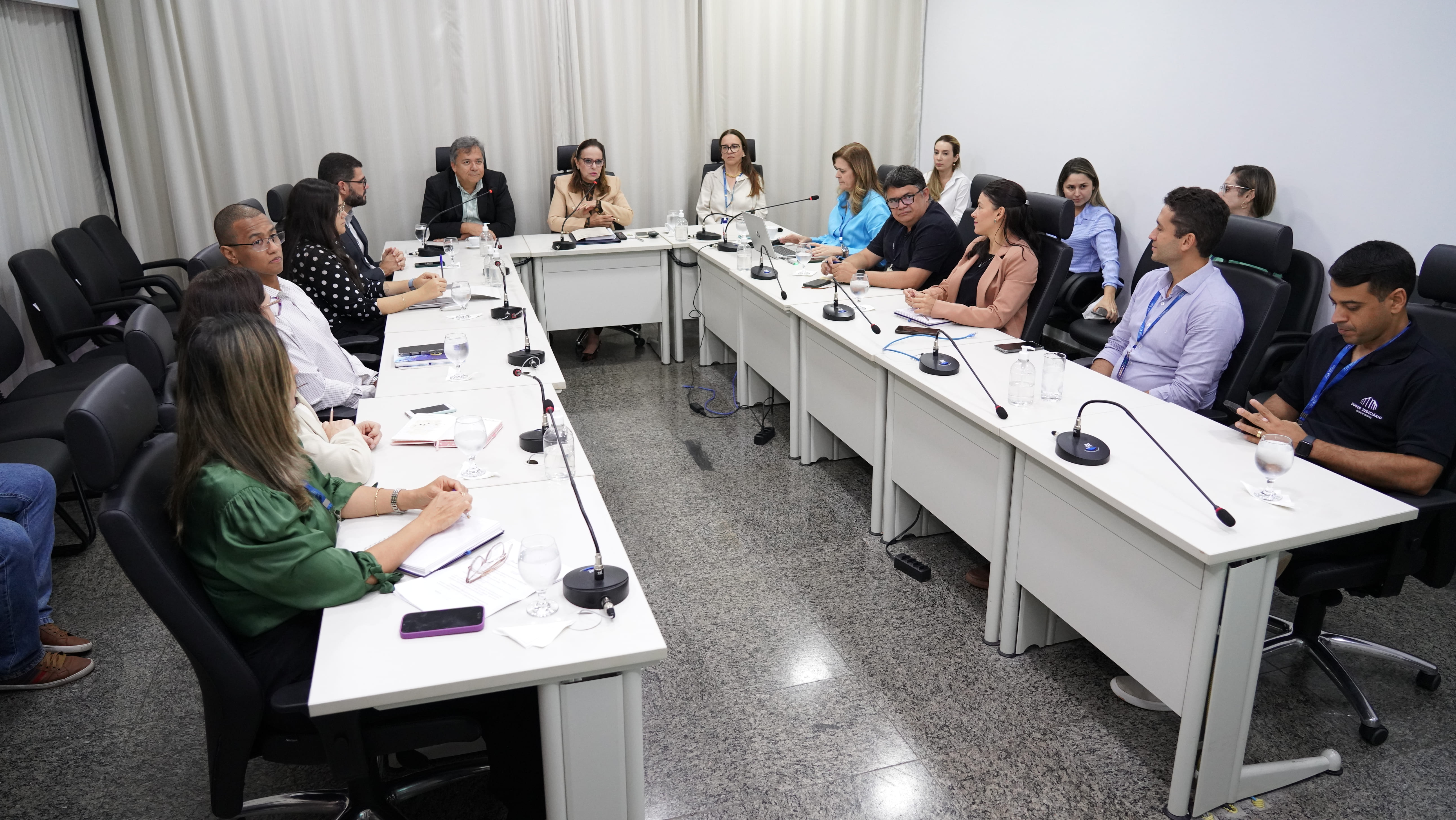
Acting safely, in an integrated and strategic manner in the face of possible climate disasters. With this objective in mind, the Court of Justice of the State of Tocantins (TJTO) began negotiations on Tuesday (January 27th) to draft the Socio-Environmental Contingency Plan of the Judiciary of the state of Tocantins. The initiative complies with the Resolution No. 646 of the National Council of Justice (CNJ) of 2025, which requires all state courts in the country to adopt the plan.
Discussions took place during the 1st Meeting of the Intersectoral Working Group (GT), responsible for drafting the document, under the leadership of the GT, Justice Ângela Prudente. The magistrate highlighted the importance of prior alignment of the team, based on participation in ONLINE training offered by the Ministry of Integration and Regional Development, available at the Virtual School on the Gov.br portal.
“Our plan is broad and it involves a diverse group to address different areas. It is essential that we are aligned, with a macro view, to identify the most sensitive and critical points that require attention. Thus, we continue to contribute to the management and to each citizen of the state of Tocantins," said the justice, recalling the flooding of the Tocantins River that affected municipalities such as Miracema in 1989.
“We have already faced floods, and they may happen again. We need to be prepared," she added.
The coordinator of the GT, assistant judge of the Presidency of the TJTO, Arióstenis Guimarães, shared experiences gained at the Climate Change Seminar of 2025, held in the state of Rio Grande do Sul, a state heavily impacted by floods in 2024. He emphasized that disasters are linked to human action and that the Judiciary needs to act in a technical and strategic manner in addressing the environmental crisis.
“Brazil has experienced extreme weather events, such as heavy rains, hail, and strong winds. In 2025, the state of Tocantins recorded torrential rains, reinforcing the warning. The Resolution addresses a serious issue with grave consequences. Therefore, preventive and response measures are essential," he said.
The Resolution No. 646 of the CNJ of 2025 establishes the Socio-Environmental Crisis Protocol of the Judiciary and aims to ensure the continuity of judicial action in crisis situations, prevent risks, mitigate impacts on judicial infrastructure and services, and protect vulnerable populations and territories.
About the plan
The coordinator of Socio-Environmental Management and Social Responsibility (Cogersa), Luciene Dantas, presented the model of the plan proposed by the CNJ, which should be structured in three interdependent phases: prevention and preparation, emergency response, and recovery. The plan is also based on five strategic pillars: judicial continuity; risk prevention and mitigation; access to Justice; systemic guidance; and interinstitutional cooperation.
Participation
Also participating in the meeting were: the assistant judge of the General Internal Affairs of Justice of the state of Tocantins (CGJUS), Manuel de Faria Reis Neto; the director of People Management (Digep), Paula Maia; the representative of the General Directorate (Diger), civil server Leila Maia Bezerra; the representative of the Superior School of the Judges of the State of Tocantins (Esmat), Wherbert da Silva Araujo; the representative of the Coordination of Strategic Management, Statistics, and Projects (Coges), Darlane Tacho; the representative of the Administrative Directorate (Diadm), Paulo Vitor Gutierrez de Oliveira; the representative of the Directorate of Works and Infrastructure (Dinfra), Brenda Albuquerque Fernandes; the representative of the Directorate of People Management (Digep), Déborah Cristina Pires Rocha; the representatives of the Center for Intelligence and Institutional Security (NIS), José Carlos Garcia and Presley Cruz Nunes; the representatives of the Military Advisory (Asmil), TC PMTO Leonardo Amorim Teixeira and TC CBMTO Leonardo Lagares; the secretary of the District of Araguaína, Cleitiane Alves de Barros; employee of the CGJUS Alecxander Oliveira; and employee of Cogersa Welica Rodrigues.