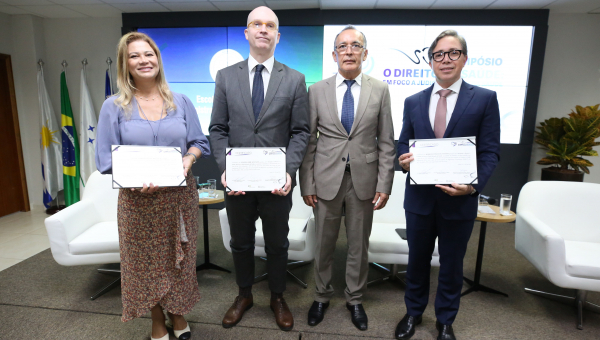
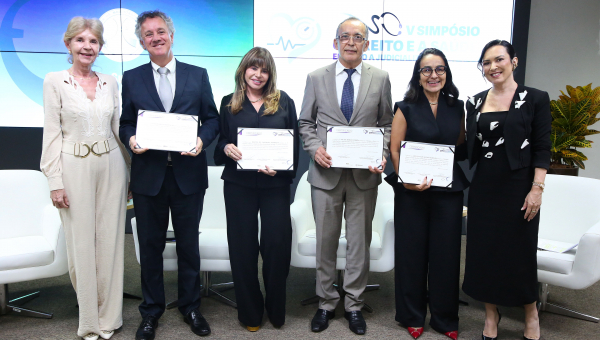
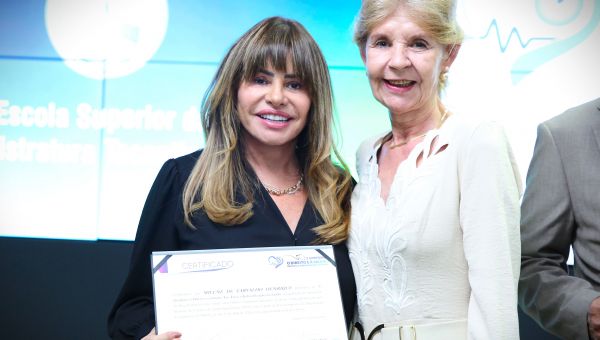
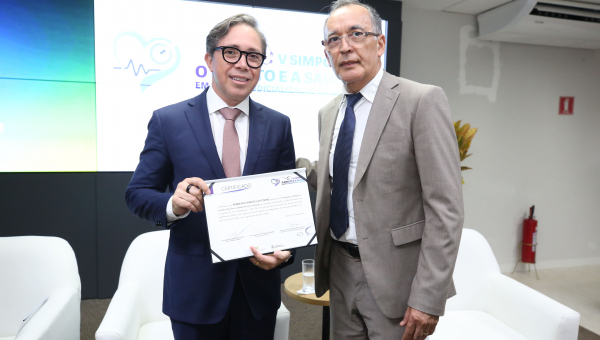
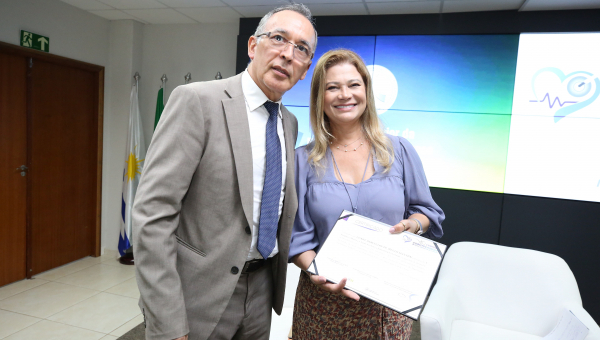
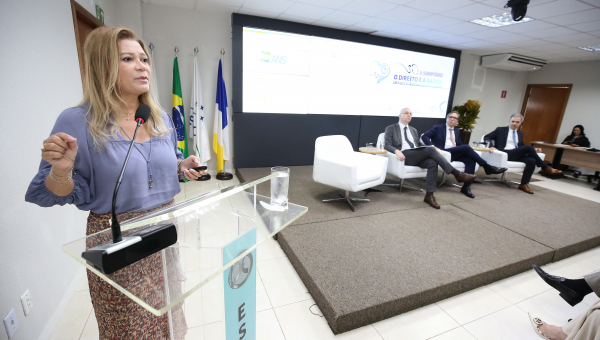
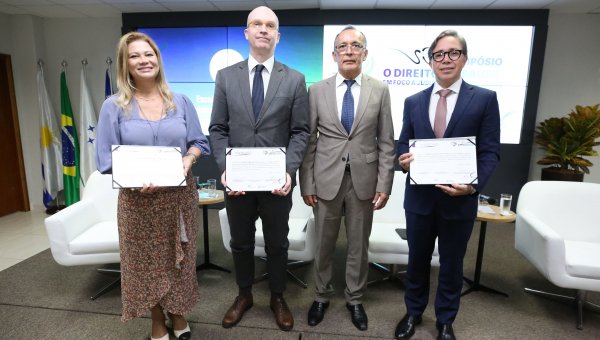
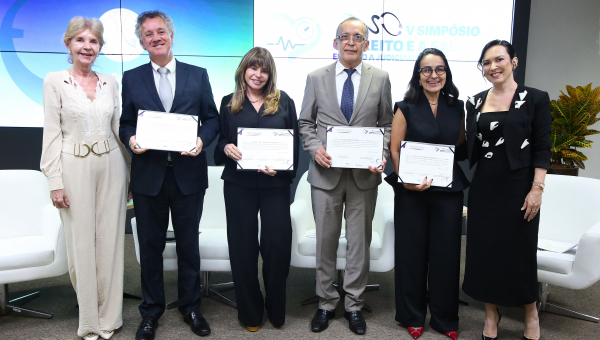
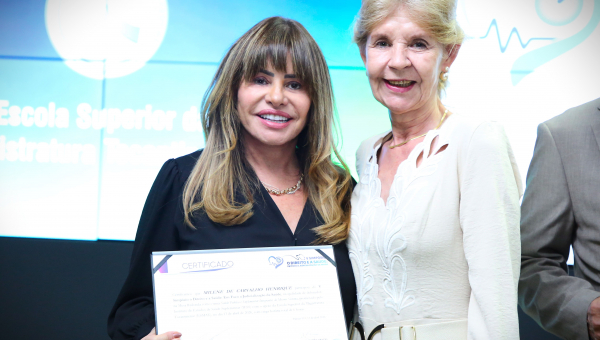
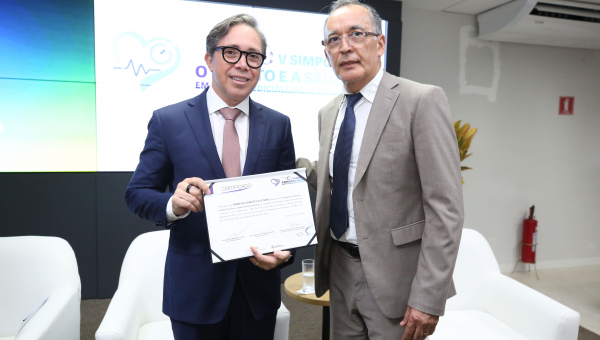
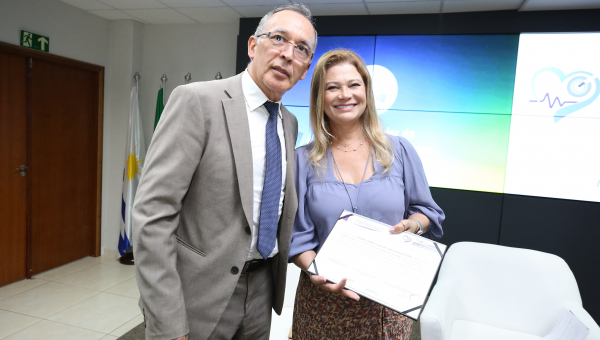
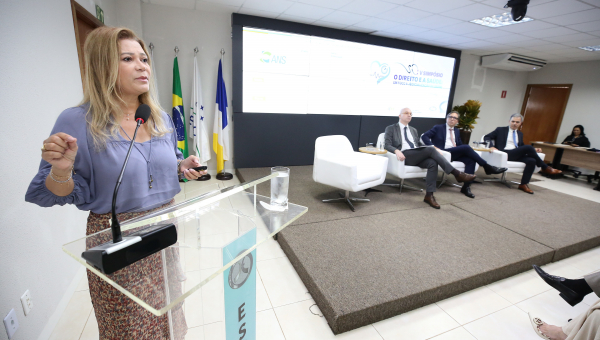
The opening of the V Symposium on Law and Health: Focusing on the judicialization of health, promoted by the Superior School of the Judges of the State of Tocantins (Esmat), in partnership with the Institute for Supplementary Health Studies (IESS), highlighted this Monday afternoon (April 13th), that the advancement of demands in the health area has required from the Judiciary not only speed, but also greater technical qualification and broad vision on the impacts of decisions.
In the statements, the assessment that the judicialization of health demands from the Judiciary an increasingly technical response and attentive to the practical consequences of decisions gained strength. In this context, the Symposium turns to the discussion of the role of the National Supplementary Health Agency (ANS), the parameters set by the Superior Federal Court (STF) in the judgment of the ADI 7,265, and the integration between public and supplementary health systems.
At the opening of the meeting, the general director of ESMAT and president of the Permanent College of Directors of State Schools of the Magistracy (Copedem), Justice Marco Villas Boas, drew attention to the tension that feeds much of the judicialization; on the one hand, the constitutional guarantee of the right to health; on the other, the concrete limits of the operation and financing of the system.
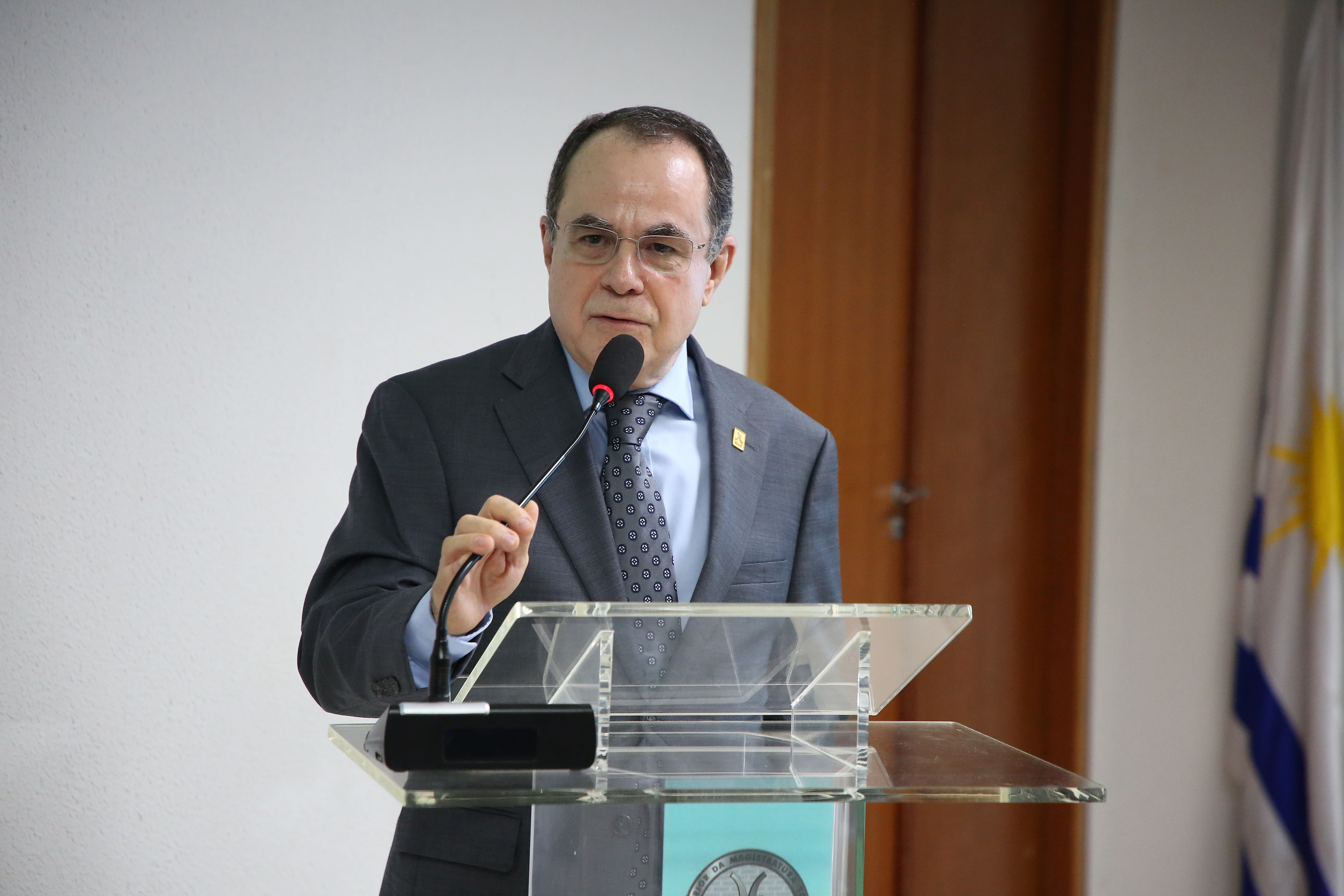
“It is precisely in this dichotomy that the great problems of interpretation arise and that lead to substantive judicialization," he said.
By mentioning local experience of conciliation in cooperation with Unimed, the justice also pointed out practical ways to reduce conflicts and broaden consensual solutions. In the same line, the general chief of Justice, Judge Pedro Nelson de Miranda Coutinho, reinforced that the judicial response, in this matter, cannot be simplified.
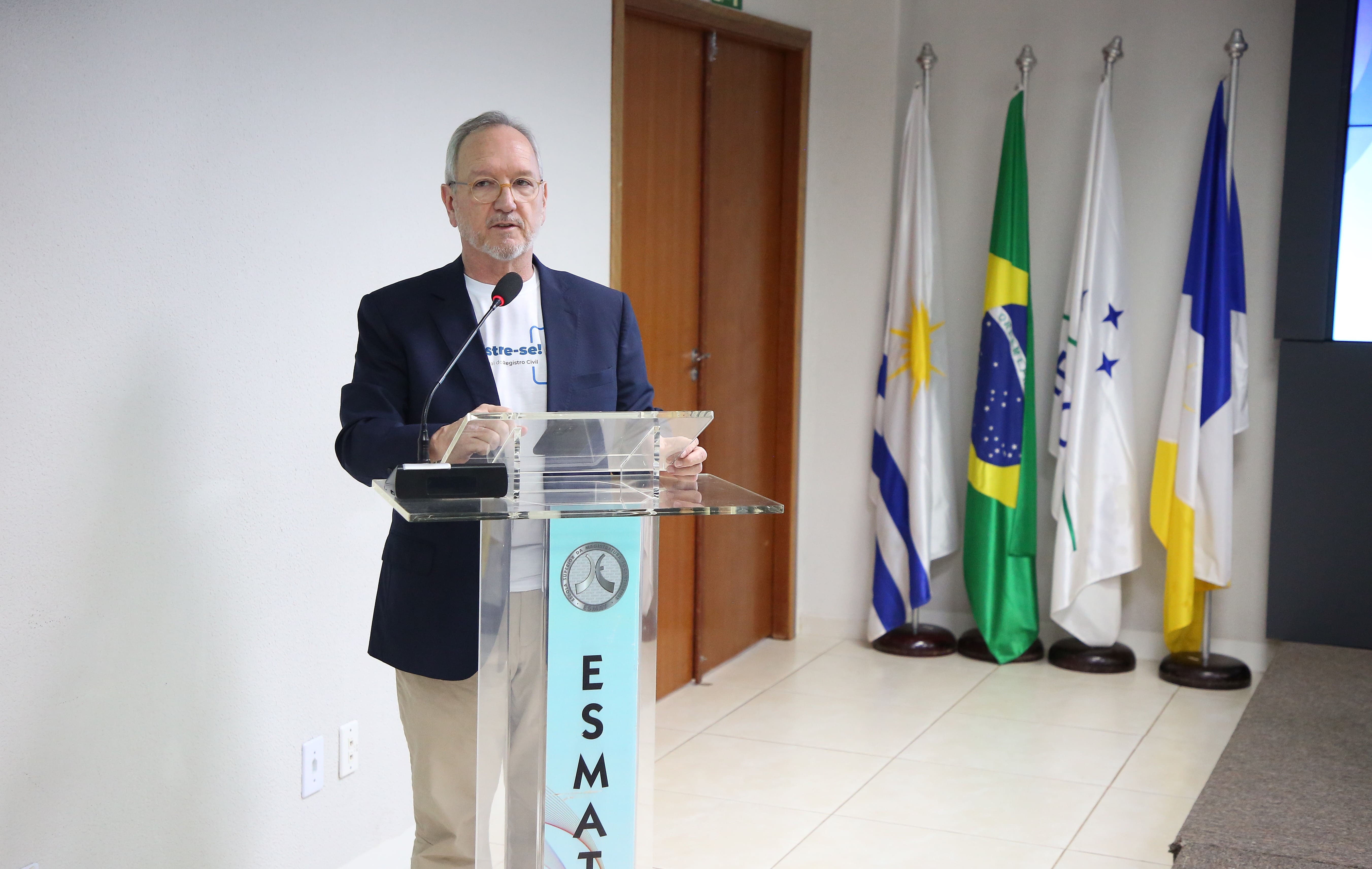
“The thematic of judicialization of health must be treated with the seriousness that reality imposes," he said.
For the justice, the growth of actions related to drugs and treatments imposes on the Judiciary "responsible, balanced and technically grounded" decisions. By citing the cooperation agreement signed between Unimed and the Court of Justice of the State of Tocantins (TJTO), the justice added a concrete fact to the debate: between 2022 and 2025, the initiative resulted in 485 pre-procedural agreements, with direct impact on citizens.
Coordinator of the Symposium, justice Gil de Araújo Correia moved the debate from the merely procedural plan to the structural plan. "The discussion around the nature of the role of ANS is not merely technical," he said, highlighting that the topic affects the predictability of decisions, the sustainability of the supplementary health and the effective protection of human dignity.
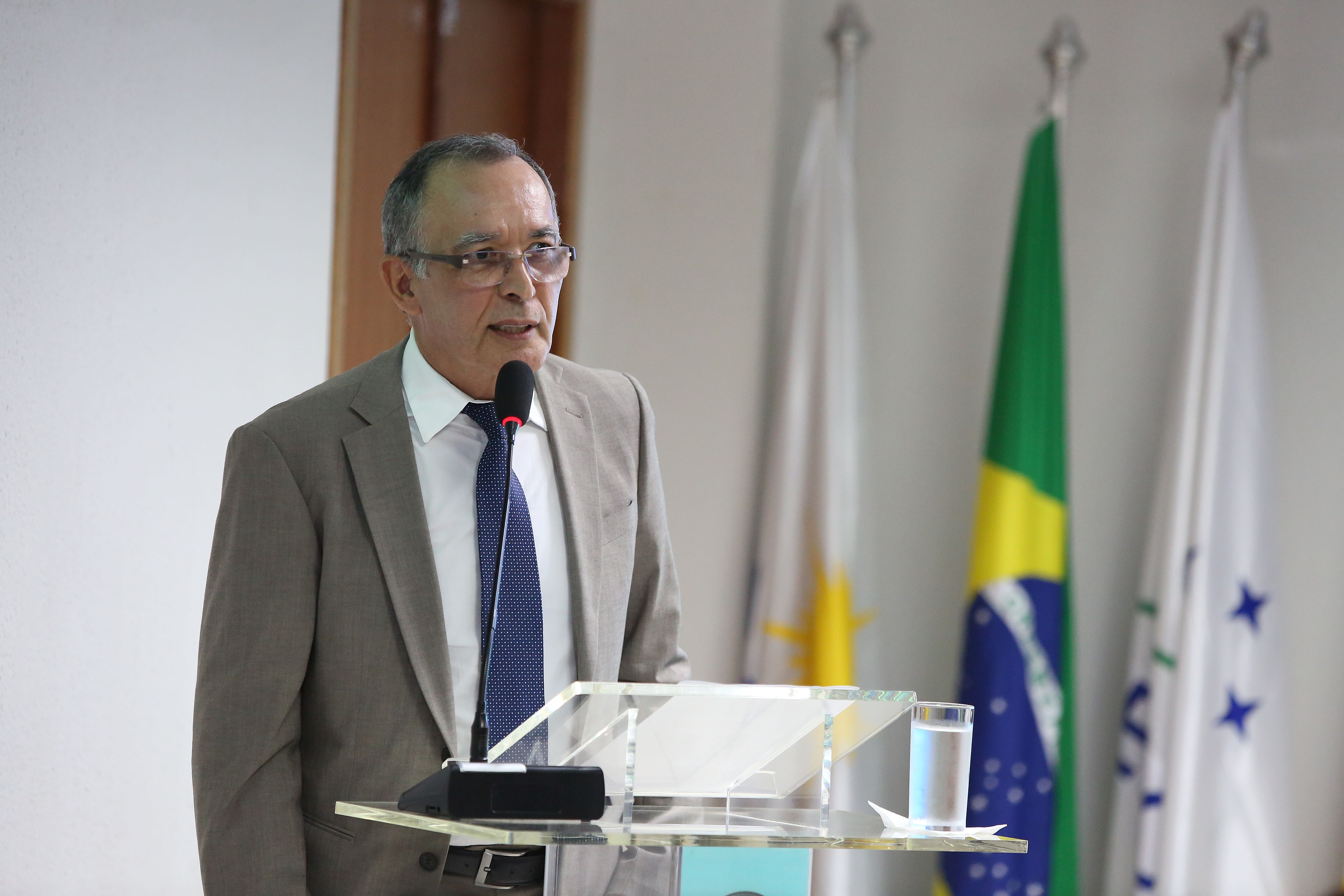
In the assessment of the justice, those working in this area must overcome the strictly legal examination of the case and engage with institutions, technical bodies, and health system operators so that the decision is legally consistent and institutionally responsible.
“It is not only about applying the law to the concrete case, but to be aware that every decision in this field transcends the involved parties and has an impact on the organization and sustainability of the health system itself," he noted.
Representing the IESS, the superintendent Denizar Vianna Araújo led the medical perspective on the use of evidence in the formation of judicial conviction to the opening. "ADI 7265 qualifies the decision-making process of magistrates, specifically on the topic of so-called high-level evidence," he noted. In one of the speeches, he added that
“medicine is the science of uncertainty and the art of probability”.
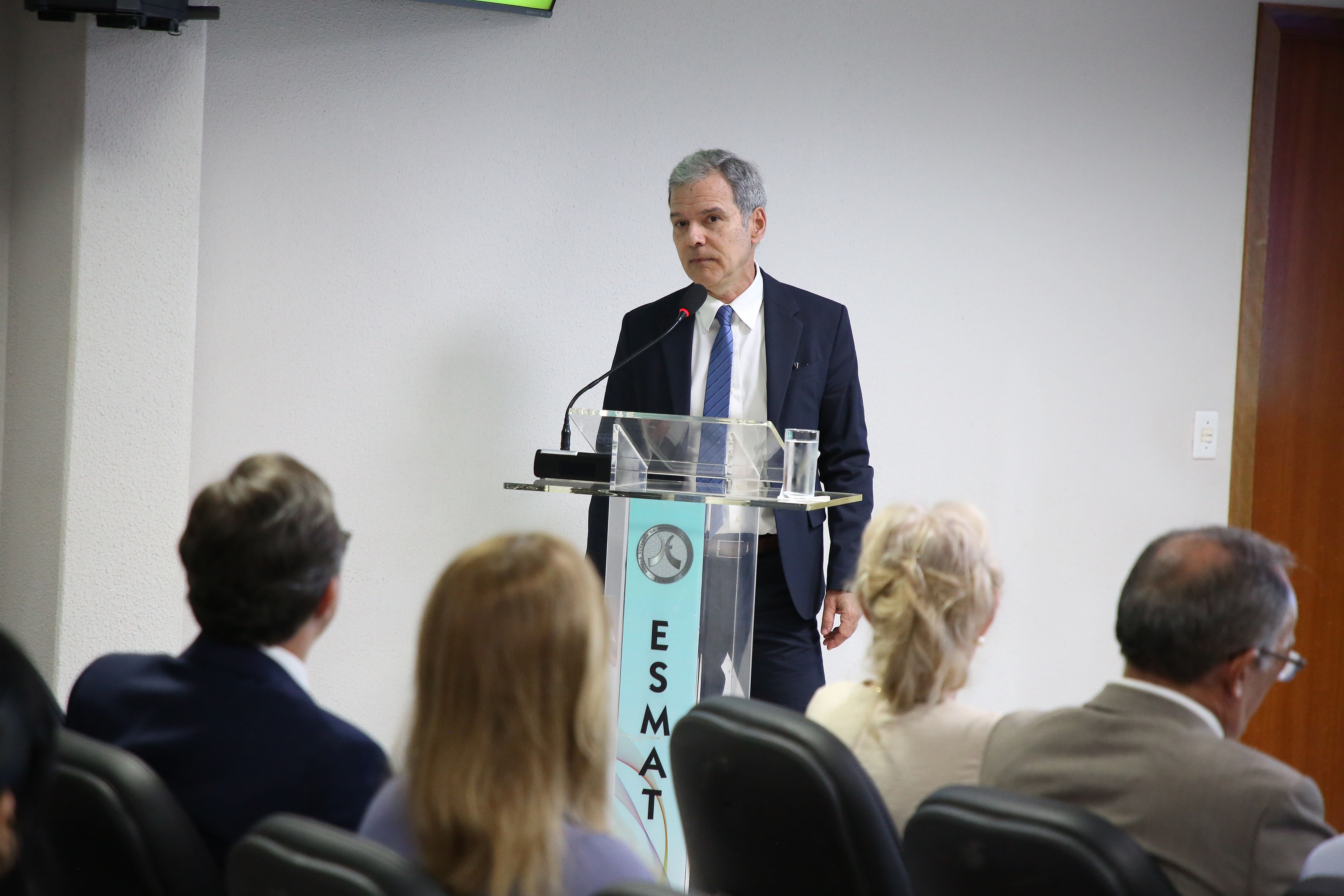
The observation served as a point of contact between Medicine and Law; in both fields, good judgment depends on the quality of evidence, critical analysis of studies, and caution before seemingly simple solutions to complex problems. The programming of the afternoon was organized around this same line of reasoning.
After the opening ceremony, the symposium featured Round of Conversation I, which dealt with the theme: "Role of the ANS, Judicialization - ADI 7265 STF", with participations by Clenio Jair Schulze, Marcos Vinicius Ottoni, Denizar Vianna and Lenise Barcellos de Mello Secchin.
Then, the Round of Conversation II addressed the theme on "Public and Supplementary Health members of the same system", bringing together João Pedro Gebran Neto, Gil de Araújo Correia, Hélvia Túlia Sandes Pedreira and Milene de Carvalho Henrique. The closing of the event is scheduled with a lecture by minister Luís Roberto Barroso on the role of the STF in the judicialization of health from the ADI 7,265.