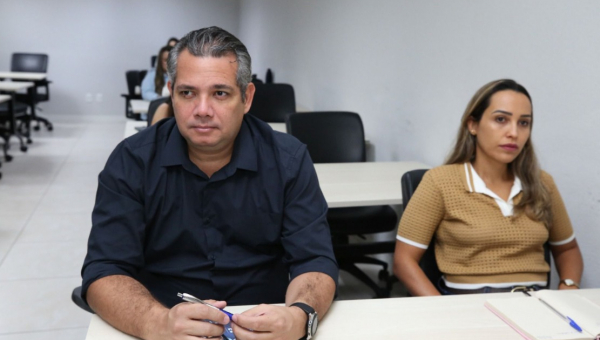
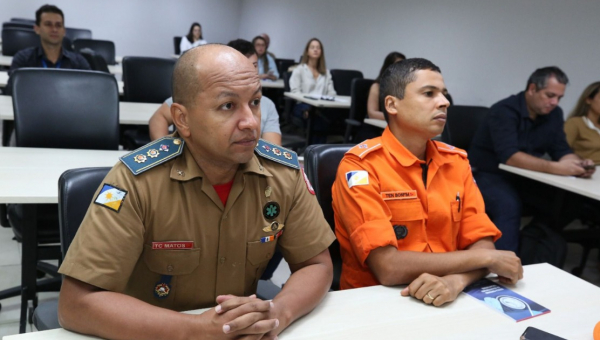
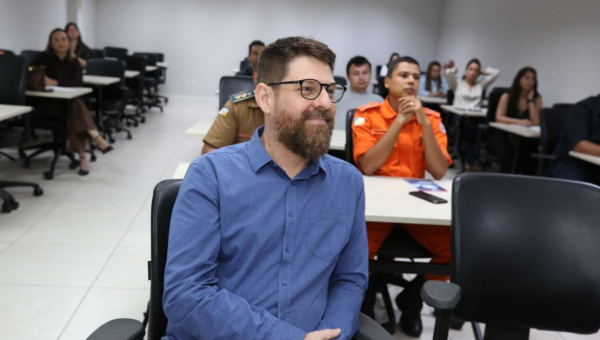
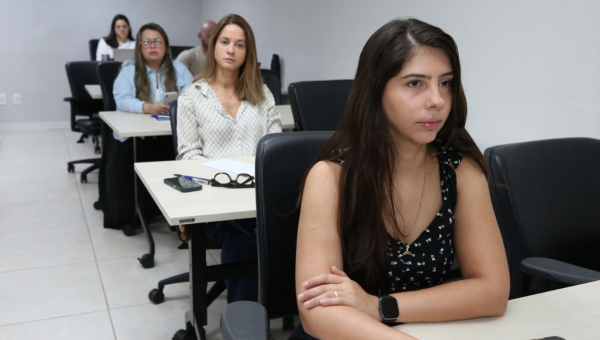
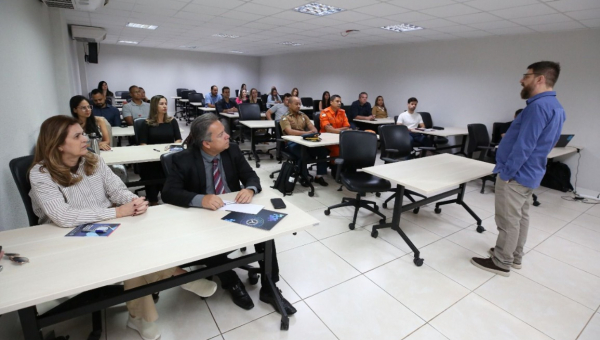
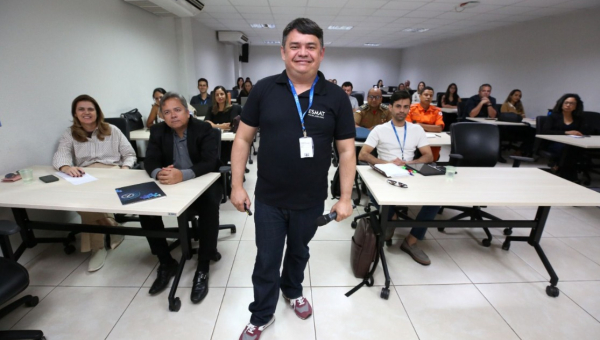
Severe drought, heavy rains, high temperatures and increasingly frequent environmental disasters make up a scenario that requires planning. Given this context, the Court of Justice of the State of Tocantins (TJTO) and the Superior School of the Judges of the State of Tocantins (Esmat) began, on Wednesday (March 25th), the course for the preparation of the Social-Environmental Contingency Plan of the Judiciary of the state of Tocantins. The Judiciary of the state of Tocantins stands out as one of the pioneers in this initiative, being the third court in the country to advance in the elaboration of such a plan.
The action is in line with the Resolution No. 646 of the CNJ of 2025, which establishes the Judicial Socio-environmental Crisis Protocol of the Judiciary and directs courts to act in an articulated manner during the prevention and preparation phases, emergency response, and jurisdictional continuity, recovery and repair. The standard highlights, among its objectives, the continuity of judicial action, the mitigation of impacts on vulnerable services and territories, the guarantee of access to Justice and the promotion of inter-institutional cooperation, in addition to providing a contingency plan, accessible public communication and capacity building on climate justice, intersectionality and management of socio-environmental risks.
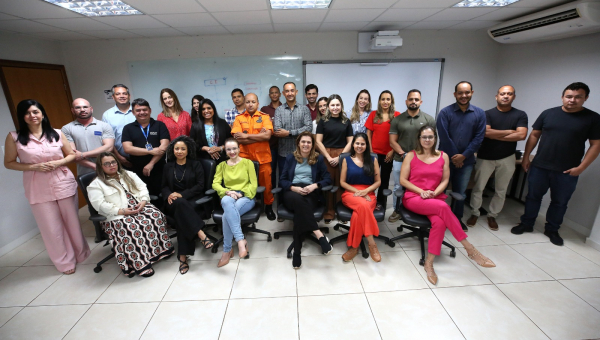
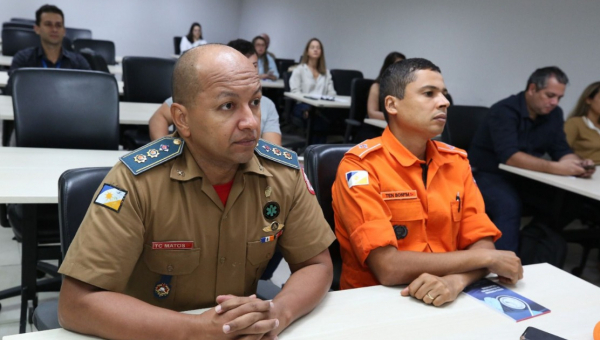
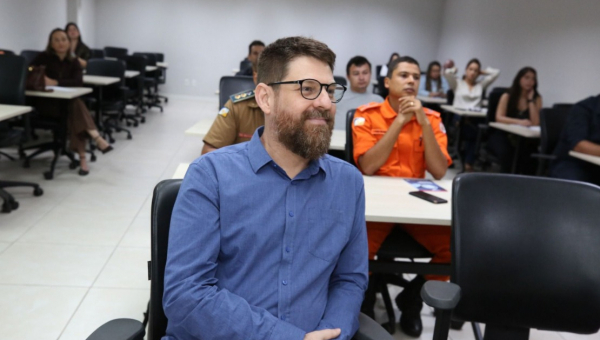
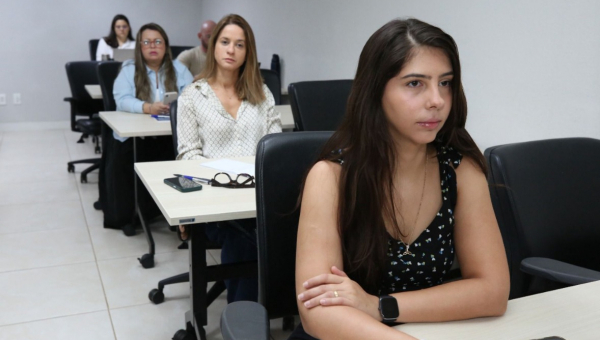
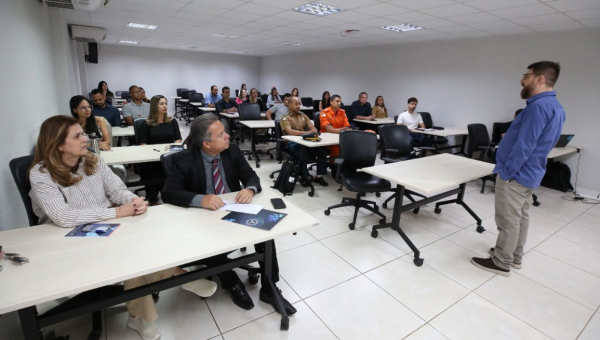
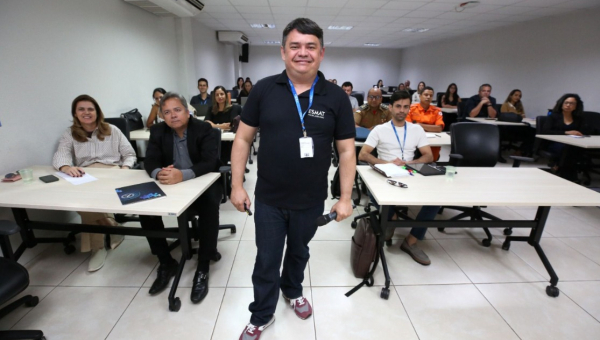
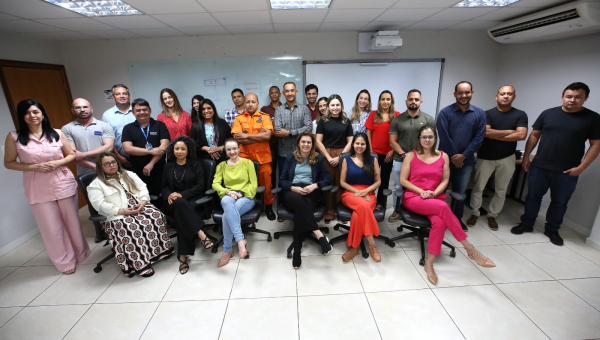
The training brings together magistrates and civil servers in an immersion that goes from understanding climate change to practical construction of disaster response and recovery strategies. In all, it will be five days of activities, adding up 40 hours of training.
At the opening, the associate judge of the Presidency of the TJTO, Ariostenis Guimarães Vieira, contextualized the dimension of the problem by recalling recent episodes and emphasized the importance of the initiative.
"The preparation of the socio-environmental contingency plan is a duty imposed on courts by the Resolution 646 of the CNJ as a public management instrument of great relevance in times of climate crises, increasingly present in the daily life of societies and institutions around the world", he said.
Course
The first day of the course brought a broad approach to the climate phenomenon and its impacts. The Doctor Professor Lucas Barbosa e Souza presented a panorama that goes from basic concepts to more complex transformations of climate, highlighting both natural factors and the intensification caused by human action. "We need to be prepared for what lies ahead. There are threats, and the contingency plan will help us to better deal with these situations, bringing organization, clarity and avoiding chaotic decisions at the time of the disaster", said the professor.
Following, instructor Wherbert da Silva Araújo broadened the discussion by connecting environmental disasters to how they are narrated throughout history. In a timeline spanning decades, he presented emblematic cases such as the Dust Bowl, the Bhopal disaster, Chernobyl, the Exxon Valdez spill, Katrina Hurricane and, in Brazil, Mariana and Brumadinho, among others. More than reminding tragedies, the proposal was to provoke reflection: what was shown, what remained invisible and who, in fact, suffered the greatest impacts.
"Understanding environmental disasters necessarily means also understanding the inequalities they reveal and the role of the institutions, even the Judiciary, in this scenario," emphasized the instructor.
Module II
If the first moment was one of understanding, the second brought a call to action. In Module II, led by instructor Cléber José Borges Sobrinho, the debate advanced to the constitutional and normative foundations that support institutional action in disaster situations.
When dealing with contingency plans, the instructor was emphatic in emphasizing that they need to leave the theoretical field, that is, they must go through all the steps, from definition and analysis to application and review for improvement.
"Contingency plan needs to be known, trained and tested. Because, at the moment of panic, people forget what is written and act on instinct - and that’s where everything can go wrong. So it’s not just about planning: you need to prepare people, integrate teams and constantly review. No plan is perfect; it only improves when it is put into practice and corrected", he said.
Partners
To broaden the scope and effectiveness of the proposal, the State Prosecution, the Public Defender’s Office, the Regional Electoral Court (TRE), the Court of Auditors of the State (TCE), the Federal University of the state of Tocantins (UFT) were invited as partners and the Civil Defense, strategic institutions for the construction of integrated flows of prevention, response and care to the population. The participation of these bodies reinforces the inter-institutional character of the initiative and dialogues with the Resolution no. 646, of 2025, which provides for coordination with the Public Defender’s Offices, State Prosecutions, Civil Defense and other actors to ensure protection of rights, accessible information, decentralized care and coordinated response in socio-environmental crisis situations.
_thumbnail_thumbnail.jpg)
_thumbnail.jpg)