“Our schools are institutions for the training and improvement of magistrates and civil servers. They are official schools, derived from a constitutional commandment. We are the institutions empowered to carry this work out, we are the arm of the court to train and improve", highlighted the president of the Permanent College of Directors of Schools of the Magistracy (Copedem), Justice Marco Villas Boas.
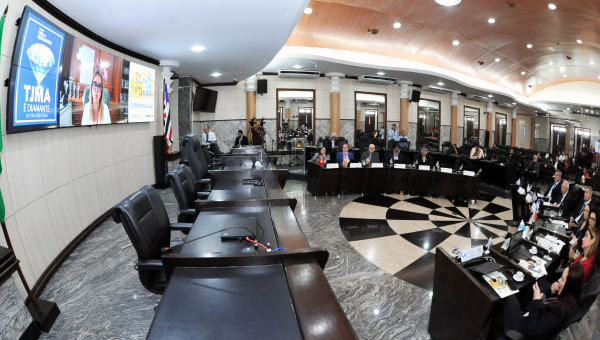
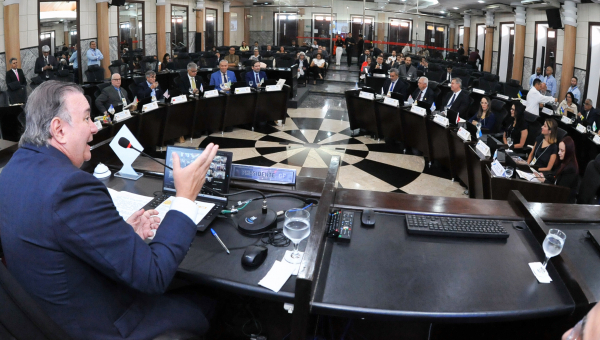
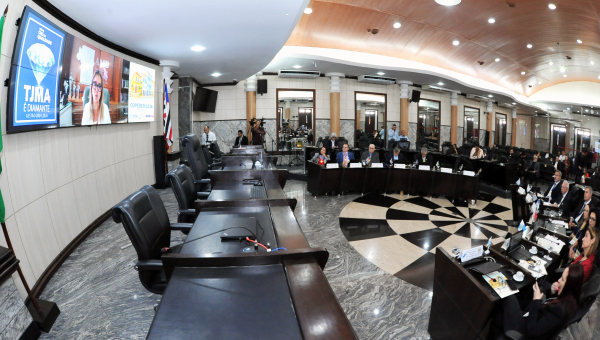
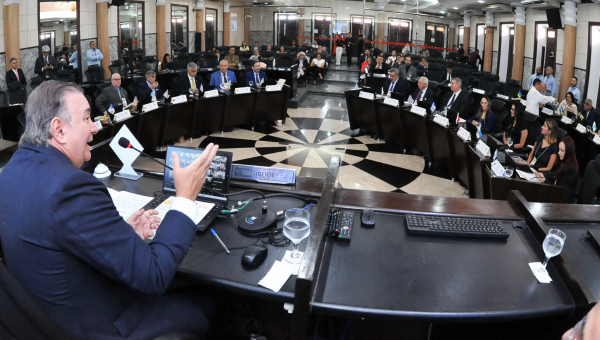
With this reflection, Copedem met on Thursday (Feb 12th), in the Plenary Session Hall of the Court of Justice of the State of Maranhão (TJMA), to discuss the improvement of the national magistracy, focusing on continuous training and judicial independence. The meeting reaches its 62nd edition and it takes place in the city of São Luís, on February 12th and 13th, with the support of the Superior School of the Judges of the state of Maranhão (Esmam).
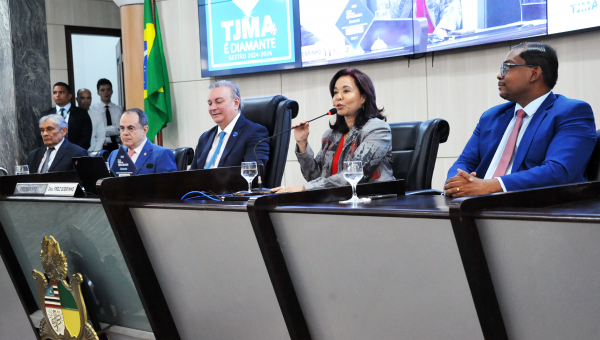
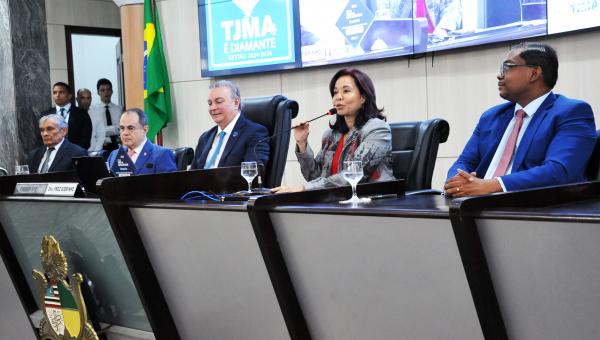
The official opening of the event was attended by the president of Copedem and general director of the Superior School of the Judges of the State of Tocantins (Esmat), Justice Marco; the president of the TJMA, Justice Froz Sobrinho; the general director of Esmam, Justice Sônia Amaral; from the director of the Association of Magistrates of the state of Maranhão, Judge Marco Adriano Fonseca; and the retired Judge José de Ribamar Castro.
The president of the TJMA, Justice Froz Sobrinho, recognized the importance of the meeting for the Brazilian Judiciary and reinforced the commitment of the Judiciary of the state of Maranhão with governance, transparency and continuous training of magistrates for a better judicial provision.
“We have strong schools, schools that prepare the best magistrates to serve the Brazilian Judiciary. We are here to improve, learn and teach, that is the way of the schools of the judges. I wish that they leave here with better directions, always looking ahead, thinking about how schools can deliver good practices for our legal community and for the entire Justice System", he highlighted.
For the president of COPEDEM, Justice Marco Villas Boas, the moment is to strengthen the institutions and the role of the Brazilian judicial schools, as well as discuss topics such as ethics, human dignity and the search for continuous training.

"The search for continuous improvement is strategic. We have difficulties, but it is precisely by mapping these difficulties and seeking continuous improvement that we can move forward. The Brazilian Justice is a global reference for its entire structure, for its procedural dynamics and for the use of modern technologies that are increasingly advancing, offering speed with respect, ethics and promotion of human dignity and fundamental rights", he stressed.
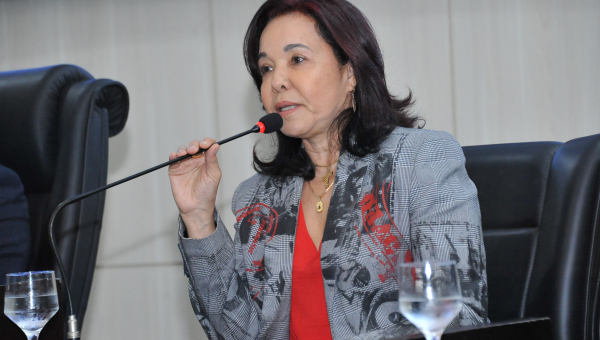
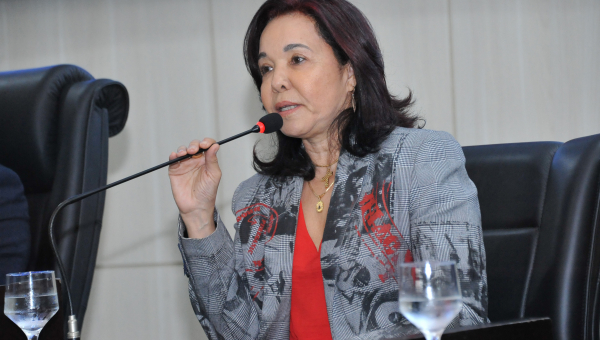
The director of Esmam, Justice Sônia Amaral, reinforced the continuous training work carried out by the Judicial School of the state of Maranhão and the importance of these institutions for the advancement in efficiency and quality of the Brazilian Justice.
"With the entry into the magistracy, judges do not acquire absolute knowledge; on the contrary, it is the beginning of a learning that will have no end. People do not imagine how much, but the judicial schools have to contribute in the formation, not only of the judge, but most important, in the provision of quality of justice. It is in this sense that we will have these two days to exchange experiences and good practices on our Island of Love", he said.
Tributes
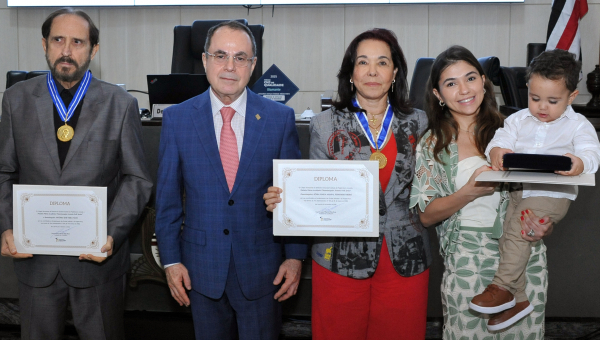
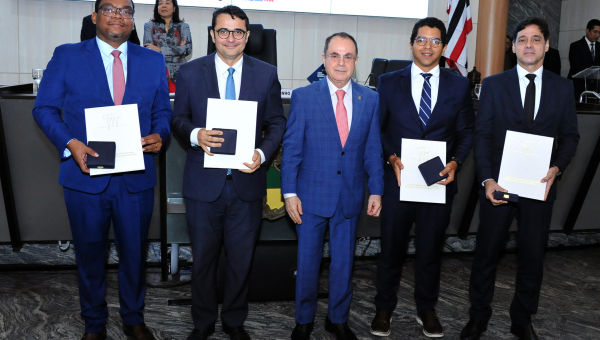
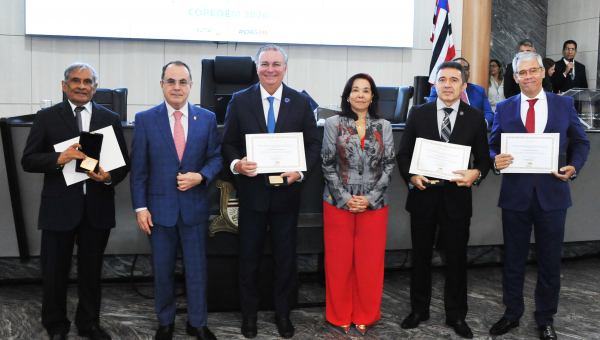
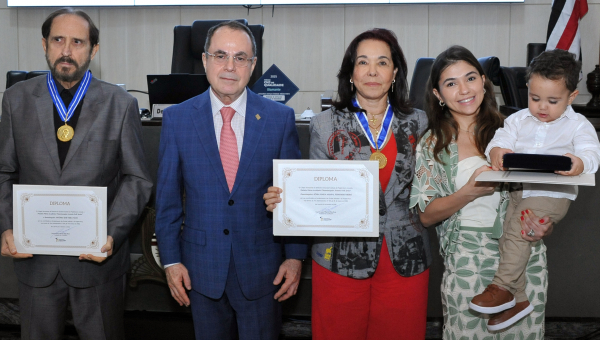
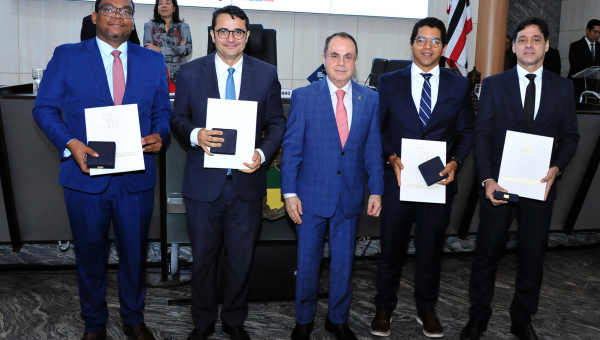
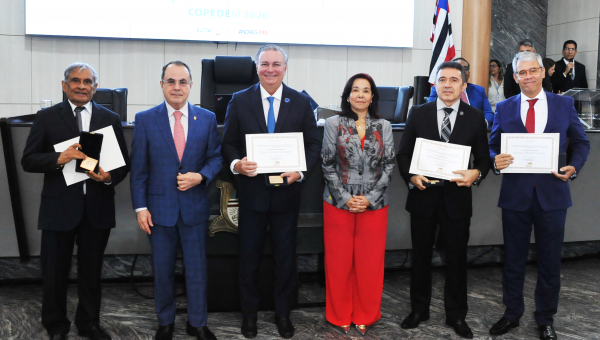
The meeting also featured a moment of tribute. It was awarded the "Medal of the Founders", commemorating the 20th anniversary of the Permanent College of Directors of State Schools of the Magistracy. The honor honors the memory of leaders who marked the history of Copedem and recognizes authorities who contributed to legal formation and innovation throughout the country.
Received the Medal, the president of the TJMA, Justice Froz Sobrinho; the deputy director of Esmam, Justice Nilo Ribeiro; Justice Paulo Velten; and the retired Judge José de Ribamar Castro.
The Medal was also awarded to Judges Marco Adriano Fonseca, Pedro Pascoal, Alistelman Mendes Dias Filho and André Bogéa.
They were honored with the Academic Merit Medal, Judge Antônio Rulli Júnior, in recognition of personalities who stood out for their contribution on building knowledge and good practices, the director of Esmam, Justice Sônia Amaral; the listener of the TJMA, Antônio José Vieira Filho; and Justice Graça Amorim, represented by the family.
Already the medal of Academic Merit of the School of the Judges of the state of Maranhão José Pires da Fonseca, awarded to those who generate contributions to the study of law and services provided to the judicial school, was presented to the president of Copedem, Justice Marco Villas Boas.
The president of Copedem also received the Medal Cláudio Viana, founder of the School of the Judges of the state of Rio de Janeiro, for the conduct and execution of the work. The honor was awarded by Judges Natacha Tostes, Kátia Cilene and Adriana Mello.

Initial debates
Then, the representatives of the state schools of the judges and partner institutions participated in the lecture on "Vision of the Law: without continuous training there is no judicial independence", delivered by videoconference by the president of the Association of Brazilian Magistrates (AMB), Judge Vanessa Ribeiro Mateus.
During the exhibition, topics such as school modernization, professionalization and the importance of ensuring conditions for magistrates to carry out activities were discussed.
“We have a very significant number of magistrates who want to improve themselves, who want to take courses, who want to participate in academic life, we need to provide the conditions for this to happen", she said.
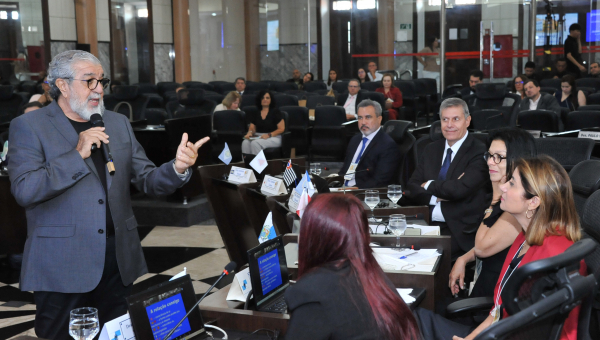
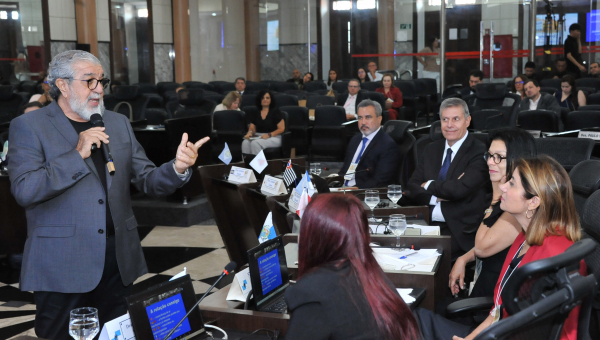
The morning schedule was closed with a lecture by Master Professor Cidinho Marques on the topic on "Who takes care of who takes care?". The professor discussed the role and responsibility of magistrates in making decisions and the impacts of the balance between rational and emotional. The speaker discussed the importance of mental health, emotional balance, self-care and self-compassion in the workplace.
The event was attended by magistrates who work in judicial schools throughout Brazil. The justice of the TJMA, Antônio José Vieira Filho, one of the honorees at the event, defined the initiative as a moment to consolidate the work and history of the schools of the judges.
“The relevance of this meeting is great, and this union will bring positive points not only to a particular place, but also to all entities in Brazil, thus generating much education, knowledge and experience in what we want", he highlighted.