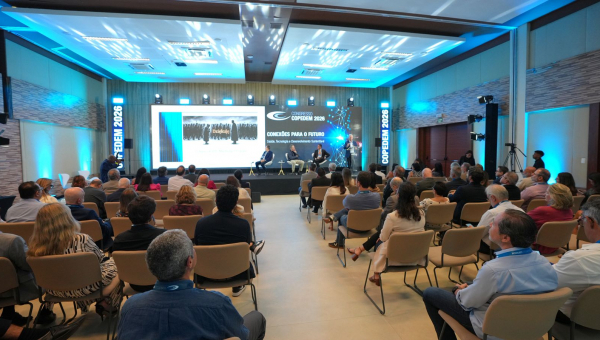
The Copedem Congress of 2026 began this Thursday evening (March 26th) in the state of Bahia, with an opening marked by defense of judicial training, cooperation among institutions and commitment to a Justice more prepared to respond to the transformations of the present. With the theme on "Connections for the Future: Health, Technology and Sustainable Development", the edition of this year brings together representatives of the Justice System, leaders of schools of the judges, experts and guests from Brazil and abroad.
The event was attended by the president of the Permanent College of Directors of State Schools of the Magistracy (Copedem) and general director of the Superior School of the Judges of the State of Tocantins (Esmat), Justice Marco Villas Boas; the minister of the Superior Court of Justice (STJ) João Otávio de Noronha; of the president of the Court of Justice of the State of Bahia (TJBA), Justice José Edivaldo Rocha Rotondano; and of the president of the Court of Relation of Porto and the Advisory Council of European Judges, Justice José Igreja Matos, invited to the opening conference with the theme on "Judiciary and Rule of Law".
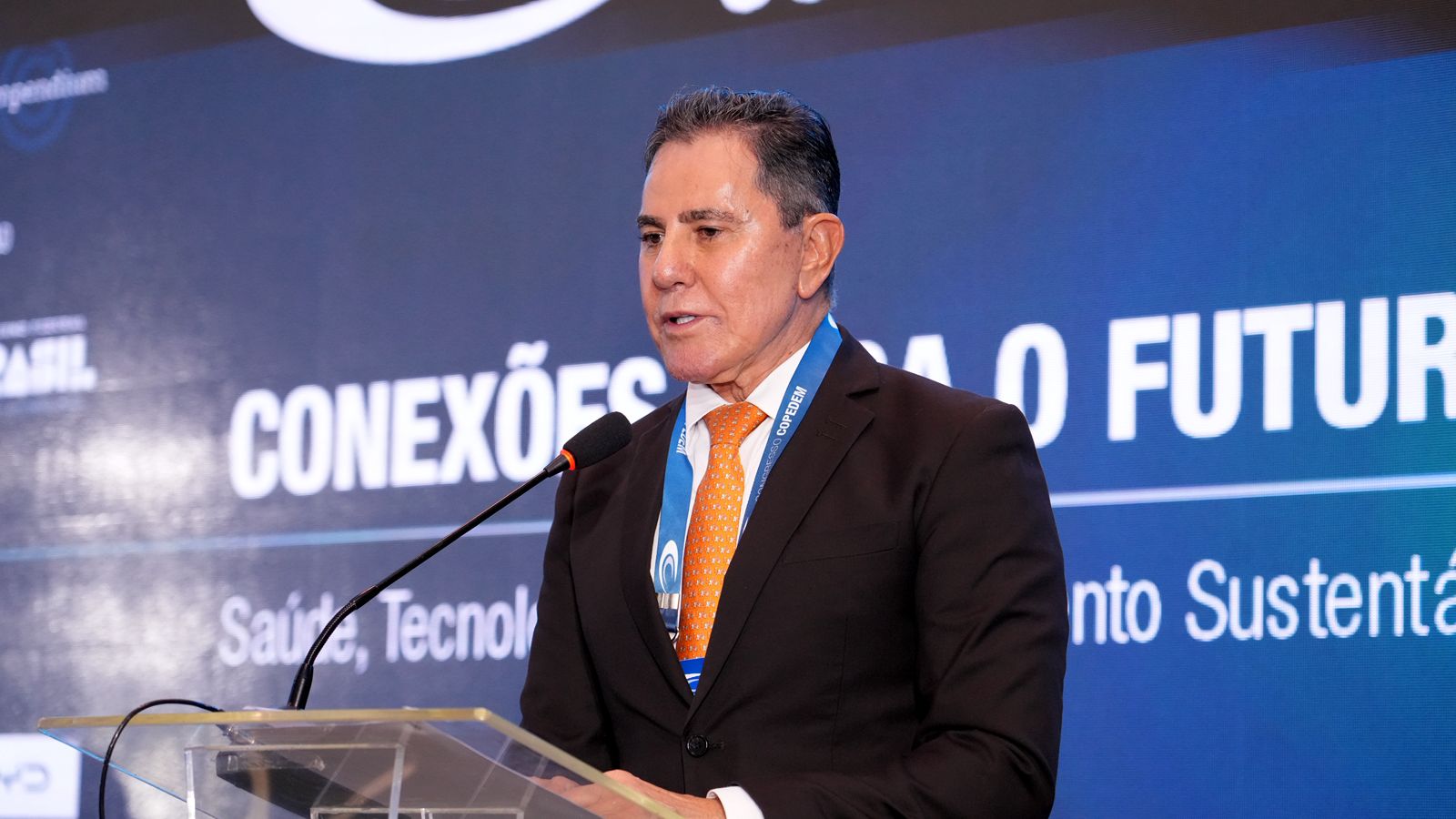
When officially opening the congress, Justice Marco placed the proposal of the meeting in the context of a time marked by fast changes and interconnected challenges.
“Between the sea of Bahia and the horizon of the future, we met, once again to reflect on topics of vital importance for Brazil", he said.
According to him, the edition of 2026 starts from the understanding that issues such as health, technology and sustainable development require dialogue among different areas, institutions and experiences. "Issues of this magnitude are not faced with ready and isolated responses, but with intelligent connections among knowledge, sectors and people," he noted.
The justice also drew attention to the transition environment lived in the country and in the world. "We are living in an era of accelerated transitions," he said, citing the impacts of artificial intelligence, climate change, international tensions and economic uncertainties on institutions and social life. For him, the role of the College in this scenario is to strengthen a space for qualified reflection and institutional cooperation.
“Copedem consolidates itself as an important forum for debates on fundamental rights, innovation, sustainable development, democratic participation, and on the role of institutions in the Democratic State," he commented.
Speaking about the holding of the congress on the soil of the state of Bahia, the president of the TJBA highlighted the strategic value of the meeting for the Judiciary. In his speech, Justice José Edivaldo noted that the programming of the event was structured around highly complex topics, such as governance of artificial intelligence, technological regulations and judicialization of supplementary health.
“The technical rigor required in this event reflects the primary mission of the schools of the judges: to ensure that the human capital of the Judiciary is able to deal with the transformations of the digital age and with the new paradigms of sustainable development," he said.
The justice also drew attention to the value of exchange between courts and schools. "It is through this technical exchange that we build innovative solutions capable of facing historical bottlenecks in the judicial provision," he said, arguing that the congressional debates can be converted into concrete management measures and a more predictable jurisdiction for society.
In a speech marked by institutional memory, recognition and defense of dialogue, minister João Otávio de Noronha emphasized the role of Copedem in the formation of the Brazilian magistracy and made direct reference to the commitment of Justice Marco Villas Boas with this trajectory. When remembering his performance, he said:
“How good that we have magistrates with their vocation, with their dedication, working for the training of magistrates”.

For the minister, the value of the institution is precisely in the commitment to qualified training, sharing of experiences and the ability to bring together magistrates around a common project.
Rule of Law, memory and cooperation
Invited to the opening conference, the Portuguese Justice José Igreja Matos brought to the auditorium a more reflective presentation, anchored in international experience and in human and symbolic references. Rather than proceed with a purely conceptual presentation, the magistrate chose to conduct his speech from stories, evoking the experience of Nelson Mandela and the human capacity to preserve meaning, dignity and cohesion even in extreme contexts.
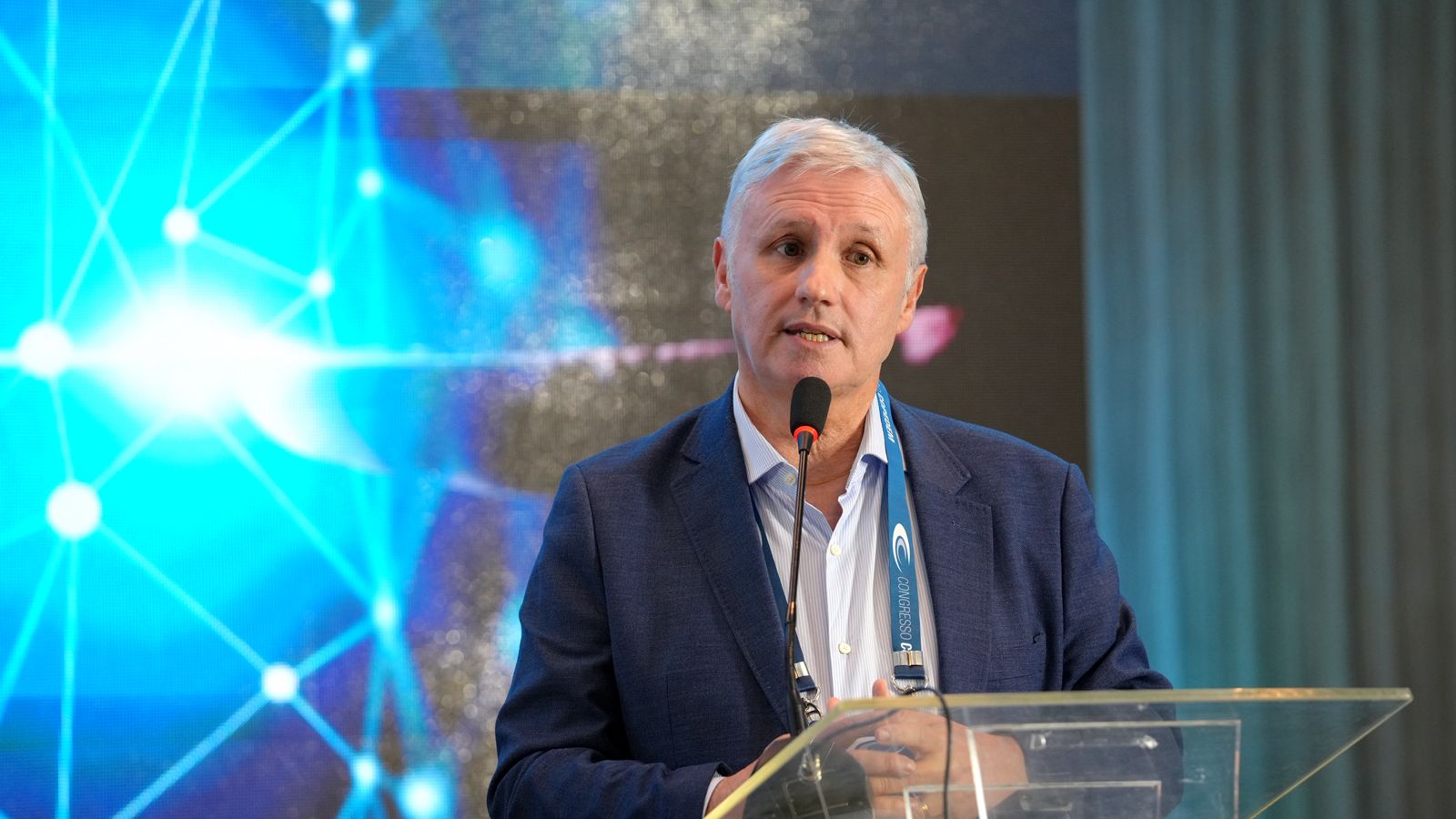
The choice spoke directly to the theme of the evening. For him, the defense of the Rule of Law goes not only through formal structures, but also by memory, cooperation, institutional trust and collective commitment.
By recognizing in the president of Copedem a decisive leadership in the consolidation of the meeting, José Igreja Matos also reinforced the affective and institutional character of the congress, seen by him as a sharing space among Justice Systems that, although different, they face similar problems and can learn from each other.
A Congress focused on the present and what follows
The programming will follow on March 27th and 28th with panels on AI governance, sustainability as a strategy, the Repasse Law, the future of Social Security, health and applied science, technology and Labor Justice, development, agribusiness, risk regulations, supplementary health, energy security and electric mobility.