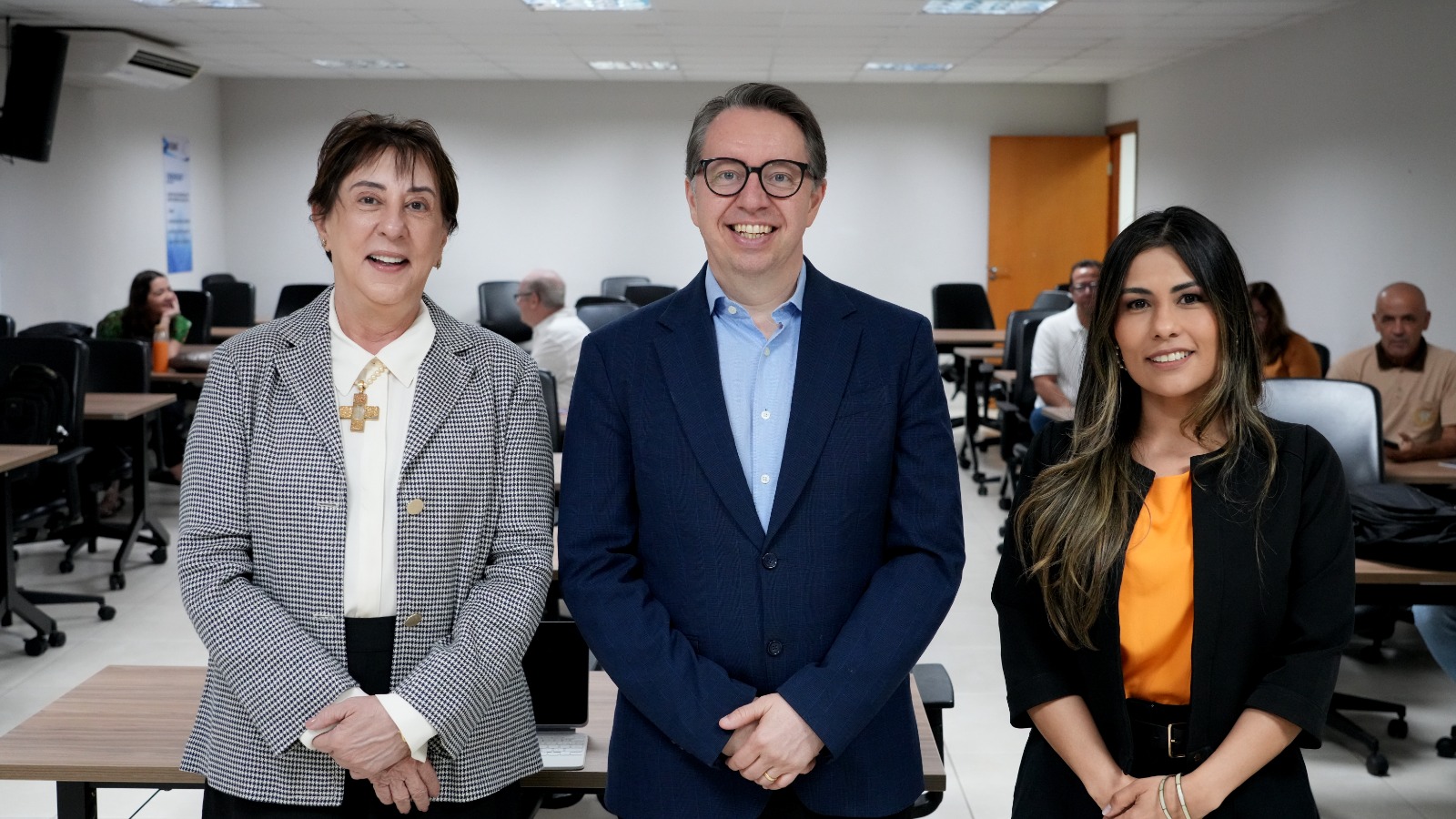
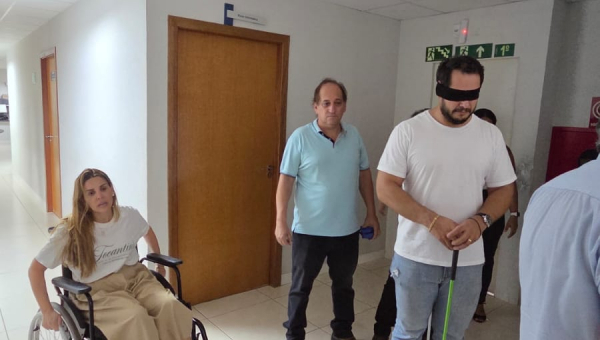
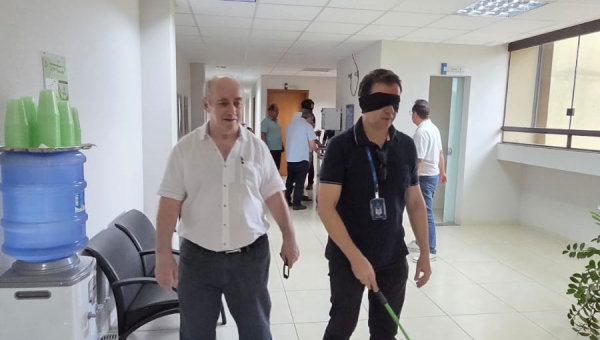
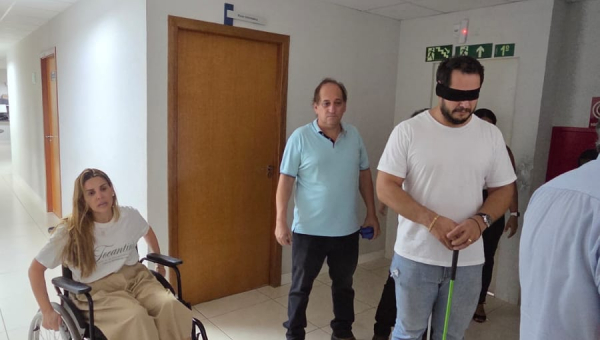
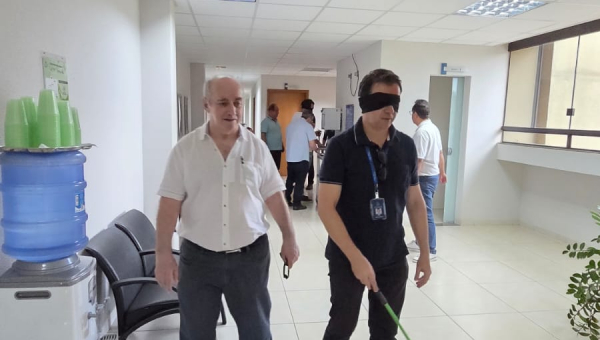
Combine theory, practice and sensitivity to promote accessible environments. This was the proposal of the training on "Accessibility Standards and Application of Assistive Technologies", held by the Superior School of the Judges of the State of Tocantins (Esmat), on December 9th and 10th. The course, coordinated by the civil server responsible for the work of the Permanent Commission for Accessibility and Inclusion of the Court of Justice of the State of Tocantins (TJTO), Patrícia Idehara, was attended by civil servers from the Directorate of Engineering, Architecture and Building Maintenance (Dinfra) and other units.
The training was conducted by Professor Eduardo Ronchetti, a specialist with more than 25 years of experience in the area, and it had as its main focus the practical application of technical accessibility standards - such as NBR 9050/2020 and the new NBR 16537/2024 - in projects and spaces of the Judiciary. From the first moment, the course stood out for its interactive methodological proposal, aimed at solving real problems and issuing technical reports based on updated standards.
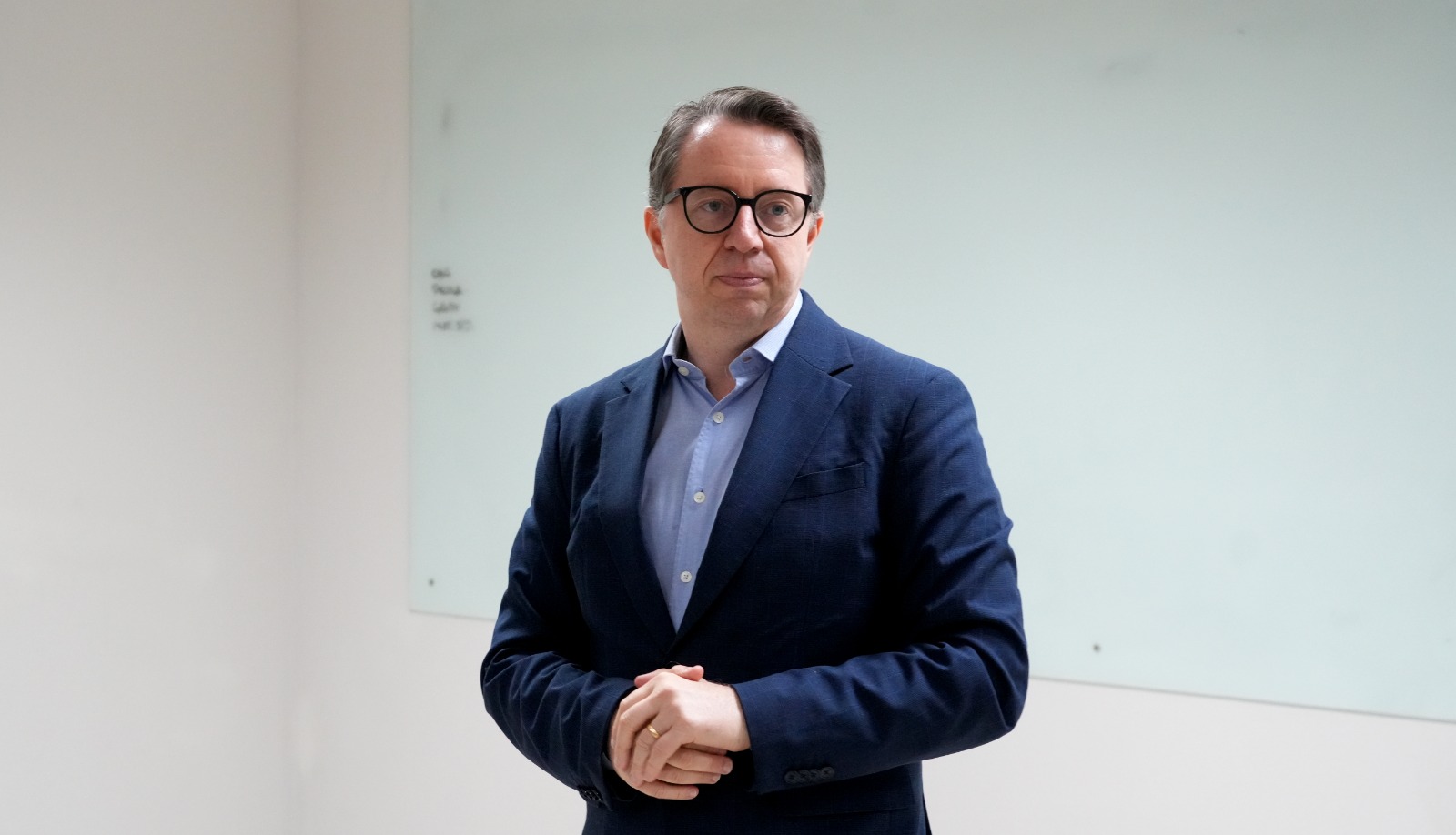
The opening of the event was attended by Ângela Issa Haonat, chair of the Commission for Accessibility and Inclusion of the TJTO. In the assessment of the coordinator Patricia, the training was a milestone: "I had never seen the students so motivated, taking doubts on projects, preparing reports of accessibility in practice, all live! This was a very worthwhile course”.
The impact of the course was also reflected in the testimonies of the participants. For the civil server Eva Portugal, the experience was more than a training, it was a moment of strengthening and belonging:
“Attending the course was very special for me. As a person with disabilities, I know closely the barriers that often go unnoticed in our daily lives. Therefore, seeing this topic being treated with such responsibility and depth strengthened me and made me even more committed on building a truly inclusive environment. Training such as this reinforces the hope of a more human Judiciary, which understands that accessibility is not only a norm, but also an instrument that guarantees dignity, autonomy and belonging", she shared.
Civil engineer Divina Aparecida Santana de Carvalho also stressed the immediate applicability of the knowledge acquired, especially for the technical routine of the Directorate of Works.
“Great course, contributed a lot to our knowledge and learning. It will be widely used in the day by day in our Directorate of Works. As for the professor, excellent mastery of the content with a dynamic that has managed to hold all the students", she said.
Architect Juarez Marinho highlighted the change of perspective provided by the course. In reporting his experience, he emphasized the importance of understanding accessibility as an ethical and social commitment, not just a normative requirement.
"It was an amazing experience. The course was instrumental in opening my mind to the importance of designing accessible spaces, highlighting the essential role of the architecture in inclusion. [...] This course not only broadened my technical understanding of accessibility, but also made me reflect on the social responsibility to create more equitable and accessible environments for all. My congratulations to Esmat for providing us with this extension of technical knowledge", he said.
_thumbnail_thumbnail.jpeg)
_thumbnail_thumbnail.jpeg)
_thumbnail.jpeg)
_thumbnail.jpeg)