Have you ever stopped to think about how much of your personal information is circulating out there in the infinite universe that is digital life? Name, social security number, address, phone number, and even bank details. To ensure that this information does not fall into the wrong hands or be used without permission, there is the General Data Protection Law (LGPD).
On January 28th, Day of the International Data Protection, a global date for raising awareness about the use of personal data, the Court of Justice of the State of Tocantins (TJTO) highlights how it applies this standard to ensure the security of the personal data of the citizens of the state of Tocantins, with a focus on security and transparency.
To understand what the LGPD is
In a simple way, the LGPD (Law no 13.709, of 2018) is the rule that defines you as the true "owner" of your data. Before the Law, companies and public bodies could collect and process personal data without clear criteria.
Personal data is information that identifies the person to whom it belongs, such as name, affiliation, date of birth, RG (ID), CPF (Register of Natural Persons), CNH (National Driver License), telephone number, address, among others, which directly identifies the data subject. There is also indirect identification, such as your location, your consumer preferences, among other information.
There are also data that are called "sensitive personal data". They are all those that refer to racial, ethnic origin, religious belief, political opinion, membership of a trade union or organization of a religious, philosophical or political character, or to health or sexual life, genetics or biometrics, among others.
Since 2018, with the LGPD, the rule is privacy of this data. And any processing of this data can only be carried out with the consent of the data subject. In practical terms, this means that every person must authorize any institution to collect, produce, receive, classify, use, access, reproduce, transmit, distribute, process, file, store, delete, evaluate, and control information, as well as modify, communicate, transfer, disseminate, or extract such data.
What has the TJTO done in practice?
For the Justice, this brought a great challenge: how to maintain, for example, procedural information and other related data, which are public because of the transparency required, without exposing the private lives and sensitive information of people? The answer lies in information balance and security. The law requires that only strictly necessary data be collected and disclosed.
The Judiciary of the state of Tocantins has created a specific structure to take care of this issue. There is a Personal Data Protection Management Committee, responsible for overseeing and guiding the processing of this information within the Court. Justice Jacqueline Adorno, vice president of the TJTO, chairman of the Permanent Committee on Institutional Security (Copesi) and member of this committee, assesses the importance of the rule so that respect for every person is observed.
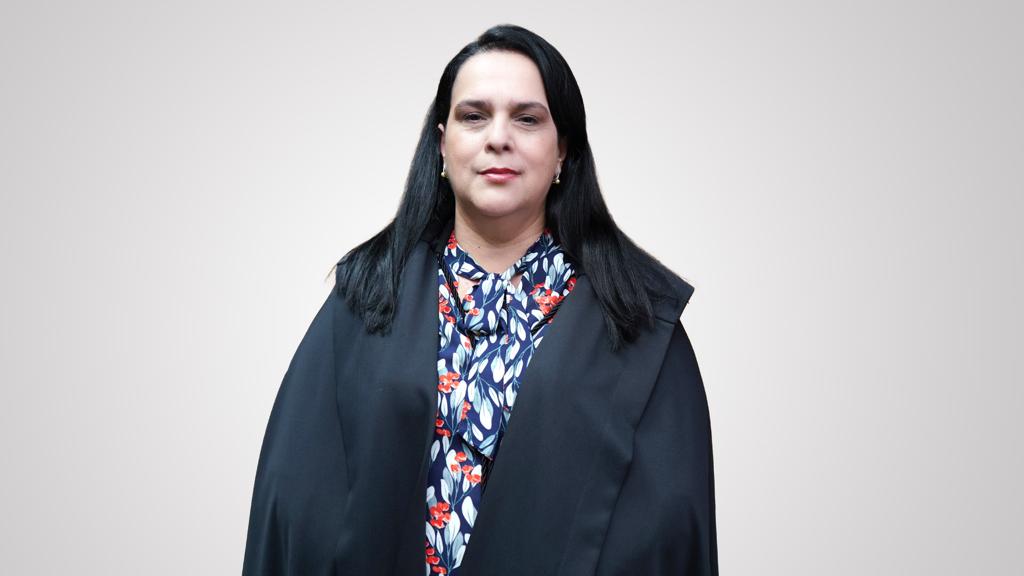
"Protecting data of a citizen is to protect the very dignity of the person. In the Court of Justice of the State of Tocantins, we understand that technology should serve to streamline justice, but it can never cost the privacy of those who seek their rights. On this Day of the International Data Protection, we reinforce our commitment to work with open doors for transparency, but with closed access for the security of sensitive information from every citizen. The LGPD is not only a bureaucratic Law, it is a tool of respect to the citizen."
For those seeking transparency on these measures, the TJTO maintains an exclusive section on its SITE on legislation. There, the citizen can follow how the court adapts to the law and protects procedural information.
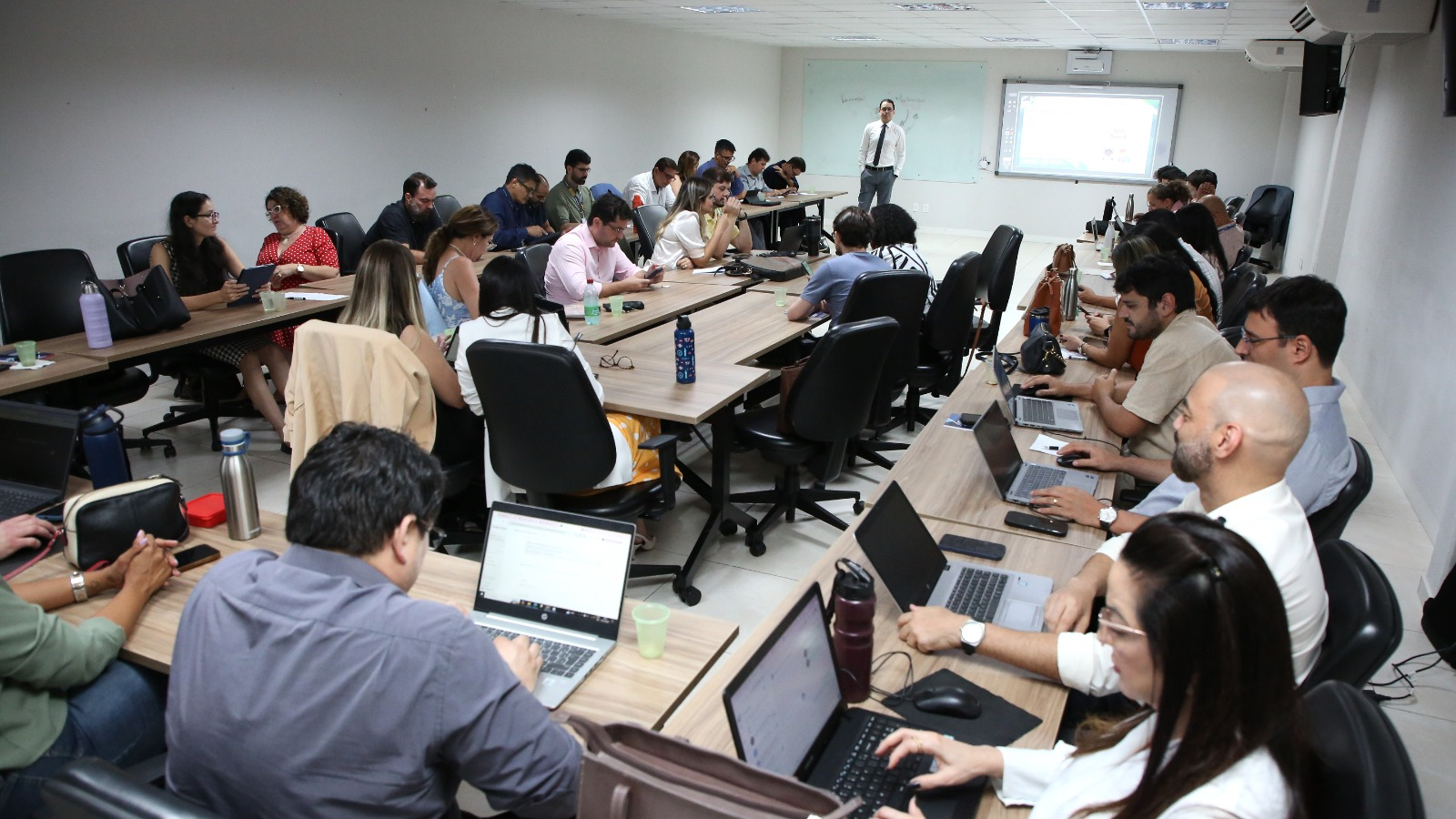
Data protection requires a change of culture. Therefore, the TJTO has invested heavily in education about the standard. Throughout 2025, several courses were held for magistrates and civil servers, addressing the application of the LGPD in judicial decisions, specific training for extrajudicial notaries and members of the security committee, as well as a specific workshop on the practical application of the standard. The goal is to ensure that those who work with your process know exactly how to protect their data.
A recent and practical example of the application of the Law in the state of Tocantins involves the Court of Jury, a collegiate body of people from society that judges crimes against life. The General Internal Affairs of Justice issued an important recommendation to protect the citizens called to be jurors. The lists of jurors published must contain only the name and profession. Data such as CPF, telephone, residential address or marital status may not appear in public notices. The measure avoids unnecessary exposure of those who are there to serve Justice.